


There is an electric, almost spiritual current that runs through New York City when one of its sports franchises finally captures a long-awaited championship. When the Knicks sealed their historic title run, the collective sigh of relief and explosion of pure joy from more than a million ecstatic fans temporarily turned the concrete canyons of Lower Manhattan into a sea of orange and blue confetti. For a few glorious hours during the parade, the boundaries between the city’s working-class heroes and its multimillionaire athletic giants dissolved in a shared, rain-soaked euphoria. Yet, as the sun began to dip below the Hudson River and the street sweepers moved in to clear the paper blizzards, a different kind of ritual began. The champions of New York quietly stepped off their spectacular victory floats, traded their sweat-stained jerseys for tailored designer apparel, and retreated behind the heavily guarded, velvet-roped sanctuaries of Manhattan’s ultra-exclusive nightlife. To truly celebrate like an NBA champion in this town requires entering a world where money is merely a baseline, and where the real currency is status, access, and knowing exactly whose name to drop at the door.
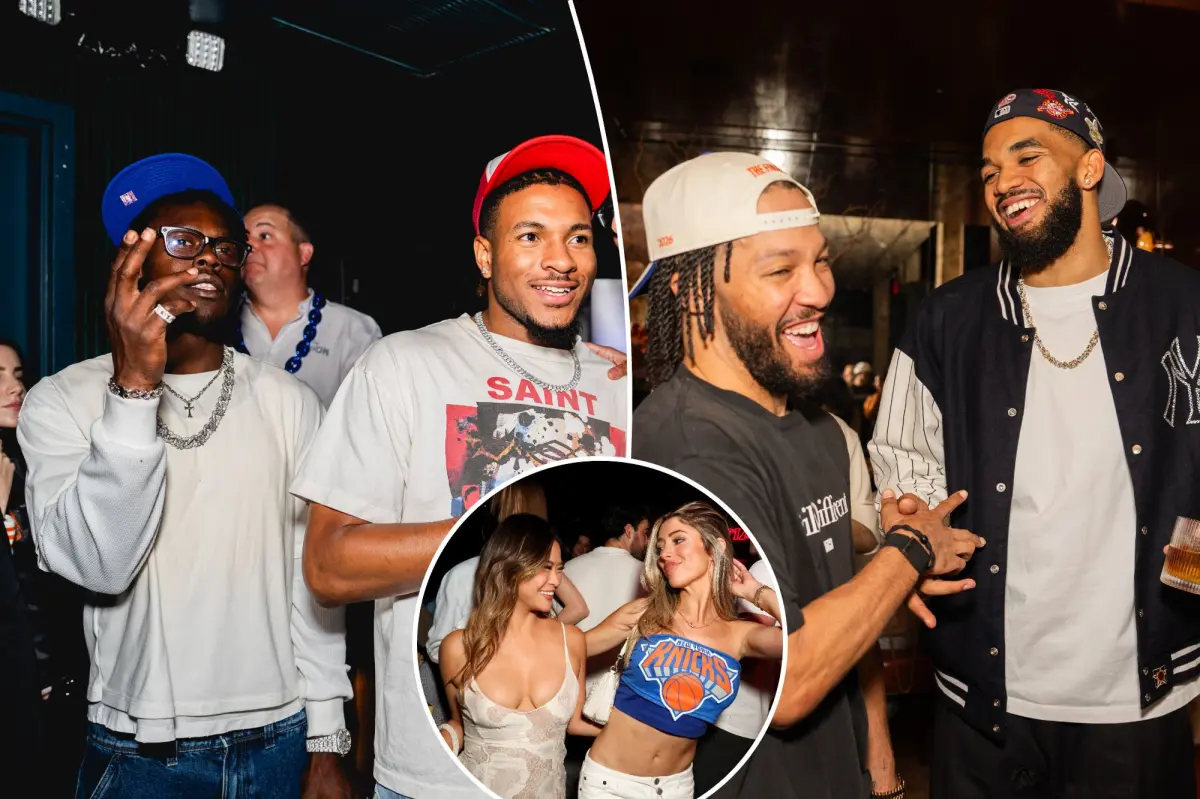
The epic journey of late-night indulgence began in earnest just hours after the parade concluded, when the core architects of the team’s victory—Josh Hart, Karl-Anthony Towns, OG Anunoby, Miles McBride, and Landry Shamet—bypassed the public adoration to find shelter in the Meatpacking District. Their destination was Chez Margaux, a breathtakingly luxurious members-only club tucked quietly away at 403 West 13th Street. Inside this dimly lit, sumptuously designed haven, the air was thick with the scent of expensive perfume, woodsmoke, and the effervescent mist of endless champagne bottles. While legendary DJ Mark Ronson curated a vibrant, soulful soundtrack from the turntables, the culinary mastery of world-renowned Chef Jean-Georges Vongerichten kept the players and their elite guests fueled with an extravagant menu featuring crispy potato croquettes crowned with glistening mounds of caviar, spicy lobster lumache, and decadent black truffle pizza. The night reached its crescendo when a massive, custom-designed, Knicks-themed Devil’s Food cake was paraded through the curtained VIP lounge, illuminated by sparklers. For the ordinary fan dreaming of sipping a cocktail in these same velvet booths, the financial barrier to entry is staggering: annual memberships at Chez Margaux start at a hefty $3,000 for those under thirty and jump to $4,000 for everyone else, on top of initial entry fees reaching $3,000, while the true elite opt for the $25,000 Executive Membership to secure unparalleled booking privileges.
Yet, this was far from the only high-society stronghold to host the newly crowned kings of New York during their week of triumph. Days before the parade even kicked off, a jubilant, champagne-soaked pre-party shook the foundations of the Flyfish Club on the Lower East Side. This venue represents a fascinating chapter in modern Manhattan culture; originally conceived during the height of the cryptocurrency boom as the world’s very first NFT-access restaurant, it has since evolved into a highly coveted traditional membership hub at 141 East Houston Street. On June 14, nearly the entire championship roster, headlined by superstar point guard Jalen Brunson, Karl-Anthony Towns, Josh Hart, and Mikal Bridges, descended upon the club alongside their closest family, friends, and special VIP guests like New York Yankees star Jazz Chisholm Jr. The atmosphere here was raw, electric, and distinctly modern, highlighted by a surprise, intimate performance from hip-hop sensation A Boogie Wit Da Hoodie that had the entire room singing along. To obtain a seat at this legendary table, mere mortals must first navigate a notoriously exclusive waitlist, hope for a rare nod of approval from the club’s selective board, and prepare to pay initiation fees ranging from $700 to $2,500, supplemented by annual dues that climb up to $3,500.
For those seek the ultimate intersection of athletic triumph and global pop-culture royalty, however, all roads eventually lead to Zero Bond in NoHo. Nestled discreetly at the corner of 0 Bond Street, this multi-floor networking and social club has cultivated a reputation as a fortress of absolute privacy, where a strict and unforgiving ban on photography allows the richest and most famous people on earth to let their guard down. Following a thrilling victory in Game 4 of the finals, the club became the epicenter of the entertainment universe when TMZ reported a stunning convergence of global star power. While the Knicks toasted their hard-fought on-court achievements, they did so in the immediate company of music icon Taylor Swift, supermodel Hailey Bieber, pop star Tate McRae, rising artist Sombr, and the Haim sisters, creating an atmosphere that felt less like a sports bar and more like the red carpet of the Met Gala. Safely shielded from the prying eyes of paparazzi and smartphone cameras, the stars mingled in a space meticulously designed by hospitality guru Scott Sartiano. Achieving access to this legendary sanctuary requires passing a grueling, multi-tiered committee review process where social standing and professional integrity are weighed far more heavily than wealth alone, accompanied by annual dues that begin at $3,850 and an initiation fee, with the elusive, highly prized lifetime memberships remaining strictly reservation-by-invitation only.
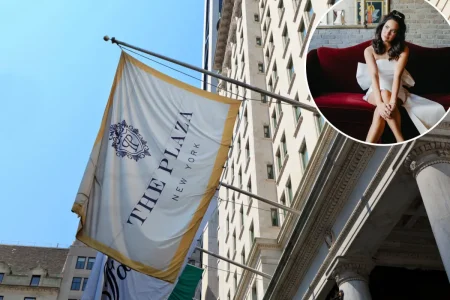
Interestingly, not every moment of post-championship magic required a high-priced membership card to be swiped at a mahogany desk, though the barrier to entry remained agonizingly high nonetheless. In a heartwarming scene that quickly went viral across the internet, beloved Knicks head coach Mike Brown decided to celebrate the team’s monumental achievement at Ralph Lauren’s famous Polo Bar in Midtown. As the coach walked through the doors of the warm, amber-lit establishment at 1 East 55th Street—a venue famous for its rich leather seating, classic equestrian portraits, and refined American fare—the entire dining room of wealthy patrons spontaneously rose to their feet. The sophisticated crowd erupted into an incredibly enthusiastic, roaring rendition of “Who Let the Dogs Out?”, paying a rowdy, affectionate tribute to the grit and defensive tenacity Coach Brown had instilled in his championship squad. Sitting down for a celebratory meal at the Polo Bar may theoretically be open to the general public, but securing a table is widely considered to be one of the most stressful endeavors in New York gastronomy. Reservations open exactly thirty days in advance and can only be secured via phone, requiring hopeful diners to call the second the lines open, endure grueling hold times, and hope for a minor miracle, as those without a confirmed dinner reservation are strictly barred from even entering the building to grab a drink at the bar.
Ultimately, the spectacular, multi-day victory lap enjoyed by the New York Knicks served as a glittering reminder of a fundamental truth about life in the Big Apple: this is a city defined by its layers of exclusivity, where the drive for success extends far beyond the hardwood floor of Madison Square Garden. While the players put their bodies on the line, withstood immense pressure, and worked for a grueling nine months to earn the right to lift the Larry O’Brien Trophy, the corporate titans, socialites, and dreamers of New York engage in their own daily, relentless hustle to conquer the city’s unforgiving social landscape. Whether it is paying tens of thousands of dollars to rub shoulders with pop stars at Zero Bond, navigating complex cryptocurrency histories at Flyfish Club, dining on caviar prepared by culinary legends at Chez Margaux, or simply calling a phone line hundreds of times in the hopes of scoring a booth at the Polo Bar, the pursuit of elite status remains New York’s ultimate spectator sport. For the millions of fans who cheered from the streets during the parade, the Knicks’ victory was a beautiful, fleeting moment of democratic unity; but for the champions themselves, the real victory lay in the quiet, candlelit assurance that when they knocked on the most exclusive doors in the world, the city opened them without hesitation.