



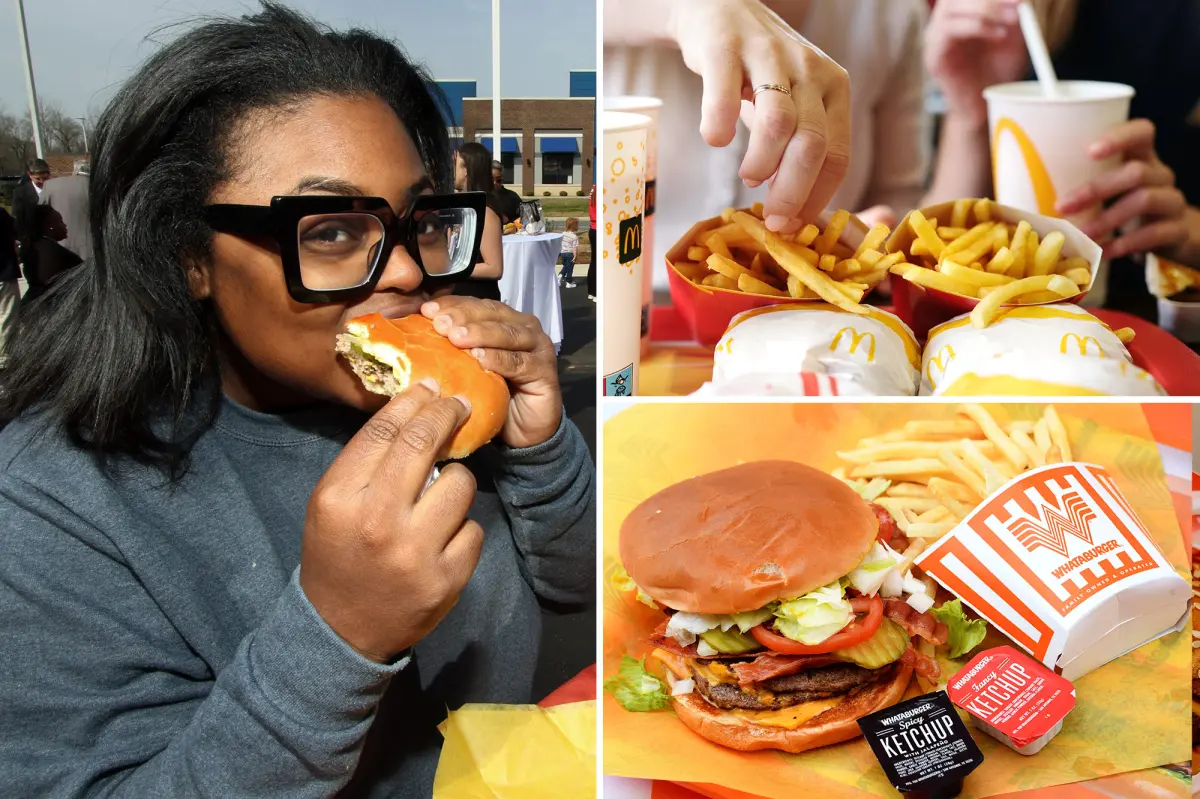
The iconic Big Mac might want to step aside and take a well-deserved nap. As everyday consumers grow increasingly weary of “shrinkflation,” diminishing portion sizes, and relentless price hikes at major legacy burger chains, smaller and more localized fast-food purveyors are cashing in on their frustration. Industry data reveals a fascinating shift in the fast-food landscape: regional powerhouses and cult favorites like In-N-Out Burger, Whataburger, and Culver’s are currently driving the majority of growth in the hamburger category, leaving their massive, slow-moving corporate competitors in the dust. Diners are no longer willing to settle for lukewarm, overpriced meals served with corporate indifference, and these nimble regional players are more than happy to step up to the grill and deliver exactly what the public is craving.
The hard numbers paint a clear picture of this evolving culinary rebellion across the United States. In 2025, California’s beloved In-N-Out Burger saw its domestic sales surge by an impressive 10%, a remarkable feat for a brand that deliberately limits its geographic footprint. At the same time, market research from Technomic reveals that Wisconsin’s butter-burger champion, Culver’s, and Texas’s orange-and-white icon, Whataburger, have officially climbed the ranks to become the fifth- and sixth-largest burger chains in the nation by sales volume. Even though global behemoths like McDonald’s, Wendy’s, and Burger King still dominate airwaves with massive multi-million-dollar marketing budgets and claim vastly more physical locations, these regional competitors are aggressively coming for their crown. They are winning this battle not through sheer scale, but through an unwavering commitment to ingredient quality, fierce community-level brand loyalty, and a genuine embrace of customer customization.
This unparalleled guest loyalty is nurtured by a focus on human connection and a willingness to let customers have it their way—for real. Whataburger, which now stretches across 17 states and generates more than $4 billion in annual sales, is expanding at an astonishing six times its pre-pandemic rate, with aggressive plans to open dozens of new locations this year. CEO Debbie Stroud credits this phenomenal trajectory to a deep, multi-generational “craveability” and a culture that welcomes individual preferences, noting that modern diners love knowing they can customize their burgers with grilled jalapeños or swap out heavy toppings for freshly sliced tomatoes. Similarly, Culver’s chief executive, Julie Fussner, points to their diverse, high-quality menu and legendary hospitality as the primary differentiators that set them apart from cold, kiosk-driven national brands. These businesses show that in a world dominated by ultra-efficiency, taking a moment to deliver friendly customer service and hot, custom-made food is still the ultimate recipe for success.
This regional boom is occurring during a particularly challenging era for the broader fast-food industry, which is grappling with stagnant growth as rising living costs force cash-strapped families to cut back on dining out. Historically, tough economic times drove people toward fast-food drive-thrus as a cheap, convenient alternative to cooking at home, but today’s customers are simply opting out. According to the Consumer Price Index, fast-food prices skyrocketed by roughly 38% between the 2020 pandemic and 2025, outpacing the nation’s already elevated rate of inflation by an astounding 56%. Legacy giant McDonald’s became the poster child for this disconnect, having doubled its average menu prices over the last decade, leading to widespread public outcry over $18 Big Mac meals in Connecticut, $7 breakfast sandwiches, and nearly $6 hash browns. This dramatic financial squeeze severely damaged customer trust, with the percentage of diners who view McDonald’s as a good value dropping from 55% to a dismal 40% in recent years.
In a desperate scramble to win back alienated patrons, the major corporate chains are finally trying to pivot and mend their public image. McDonald’s has launched upgraded burger formulas and promised to elevate its ingredient standards, make its physical dining rooms more inviting, and even revive its classic play areas to bring families back through the doors. Meanwhile, Burger King recently introduced some of its most substantial changes to the legendary Whopper in nearly ten years, rolling out pillowy new buns, tastier mayonnaise, and improved packaging based directly on feedback from unhappy diners. However, while these global giants attempt to claw back market share with promotional discount menus and sudden recipe tweaks, regional brands like Whataburger and Culver’s have kept their sales remarkably steady. Though these smaller chains do not necessarily rank the highest for rock-bottom prices or lightning-fast speed, they consistently achieve outstanding marks for food quality, portion sizes, and overall dining satisfaction.
Ultimately, the secret behind the enduring success of these regional institutions is their healthy respect for consistency over rapid, unchecked expansion. Many of these chains remain privately or family-owned, protecting them from the aggressive pressure of Wall Street shareholders who prioritize short-term profit margins over long-term quality. In-N-Out, founded as a tiny drive-thru stand in 1948 by Harry and Ester Snyder, remains strictly owned and operated by their granddaughter, Lynsi, who resolutely refuses to franchise the business. By adding only a handful of new states to its roster over the last decade, the company ensures that every single burger is made with fresh, never-frozen beef from its own proprietary butchers, and every batch of fries is hand-cut from whole potatoes right inside the restaurant. This deliberate, slow-growth philosophy proves that when a business treats its food and its customer relationships with genuine care, it doesn’t need to be on every corner of the globe to build a legacy that lasts.