


The Fragile Dawn of a New Diplomatic Era in the Middle East
The historic signing of a preliminary peace accord between President Donald J. Trump and Iranian President Masoud Pezeshkian was supposed to herald a new dawn of detente in the Middle East, yet this fragile truce is already buckling under the weight of regional animosities and diplomatic delays. Signed earlier this week, the landmark bilateral agreement aimed to bring a definitive end to the devastating war between the United States and the Islamic Republic of Iran—a conflict that has paralyzed global energy markets, disrupted international shipping, and pushed the international community to the brink of a broader, catastrophic confrontation. The immediate dividends of the deal were tangible, most notably signified by the rapid and welcome resumption of commercial maritime traffic through the vital Strait of Hormuz, a critical global trade choke point where oil tankers had long faced the threat of military seizure, mine attacks, and drone strikes. However, the initial wave of hope that accompanied this historic diplomatic breakthrough has quickly evaporated, replaced by a sobering reality as Switzerland announced on Friday that the next crucial phase of technical negotiations has been postponed, casting a long shadow of uncertainty over the prospects of a lasting peace. This sudden deceleration in the peace process highlights the extreme volatility of executing a grand geopolitical realignment in a region long defined by proxy warfare, deeply entrenched ideological mistrust, and competing national interests. International observers are now left to wonder whether this ambitious diplomatic gamble will ultimately survive its first week of contact with regional realities, or if it will join the long list of failed Middle Eastern peace initiatives of the past.
Diplomatic Logistics and the Abrupt Postponement in Switzerland
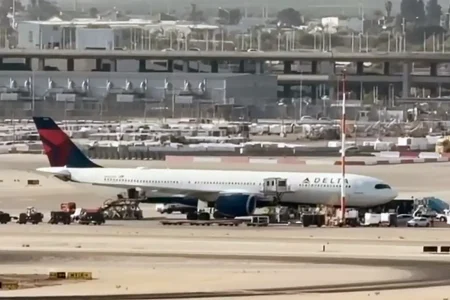
The diplomatic machinery in Bern has run into immediate logistical and political hurdles, with the Swiss Foreign Ministry confirming that the highly anticipated secondary round of negotiations—intended to translate broad political promises into concrete, binding treaty frameworks—has been put on hold. Originally structured to bring together not only American and Iranian envoys but also key regional mediators including Qatar and Pakistan, the Swiss talks were designed to establish the technical parameters of the peace deal, including verification protocols for sanctions relief and security guarantees. Vice President JD Vance was scheduled to lead a high-profile American delegation to Geneva to hammer out these sensitive details, a deployment that emphasized the White House’s commitment to securing a comprehensive regional settlement. However, late Thursday evening, the White House confirmed that Vance’s flight had been delayed, triggering a wave of speculation across international capitals about behind-the-scenes obstacles, hidden diplomatic leverage, and potential disagreement over the sequencing of the deal’s implementation. While the administration’s official statement attempted to project standard diplomatic confidence, insisting that the United States remains eager to initiate these technical talks as expeditiously as possible, the Swiss postponement suggests that the gap between Washington’s demands and Tehran’s expectations remains perilous, even as preparatory work continues behind closed doors under Swiss facilitation.
A Storm of Criticism: The Backlash in Washington and Jerusalem
To understand the stalling of the diplomatic process, one must examine the fierce political storm brewing in both Washington and Jerusalem, where critics are fiercely denouncing the preliminary agreement as a dangerous and short-sighted capitulation. Within the United States, a prominent faction of hawkish Republicans has broken ranks with the administration, joining forces with skeptical defense officials to argue that the Trump-Pezeshkian agreement represents a classic case of kicking the can down the road. These detractors assert that by offering immediate, substantial economic relief through the reopening of critical trade routes and the easing of energy sanctions, the United States has surrendered its primary leverage without securing any meaningful concessions on Tehran’s advanced nuclear program or its extensive state-sponsored regional proxy network. In Israel, the backlash has been even more severe, with lawmakers across the political spectrum condemning the deal as an existential threat that leaves the Jewish state exposed to a newly enriched and emboldened Iranian regime. These critics argue that the preliminary accord effectively legitimizes Iranian hegemony in the Levant under the guise of an unsustainable cease-fire, which fails to dismantle the hostile military infrastructure of groups like Hezbollah, thereby trading short-term American political victories for long-term regional instability.
A Stinging Ultimatum: Vance’s Unprecedented Warning to Netanyahu’s Cabinet
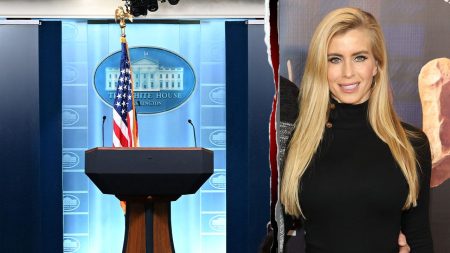
The escalating rhetoric from Jerusalem provoked an extraordinarily blunt and public counteroffensive from Vice President JD Vance, who chose a Thursday press conference to deliver a fierce, historically unprecedented admonition to Israel’s political leadership. In a sharp departure from traditional, highly polished diplomatic decorum, Vance directly challenged Israeli critics of the peace deal, reminding them of their growing international isolation and their ultimate dependence on American military, economic, and diplomatic support. Asserting that Donald J. Trump stands as the only global head of state currently sympathetic to Israel’s geopolitical plight, Vance warned that attacking the current administration’s signature foreign policy achievement was a self-destructive strategic blunder. “Donald J. Trump is the only head of state in the entire world who is sympathetic to the nation of Israel at this moment in time,” Vance remarked, laying bare the deep rifts that have emerged between the White House and Prime Minister Benjamin Netanyahu’s government. “If I was in the cabinet of the Israeli government, I might not be attacking the only powerful ally that I have anywhere left in the entire world.” This remarkably raw warning underscores a fundamental shift in the American approach to its traditional Middle Eastern allies, signaling that the Trump administration is prepared to prioritize its broader isolationist and deal-making agenda even if it requires publicly disciplining its closest partner in the region.
The Lebanon Battlefield: How Regional Proxies Reject the Superpower Peace
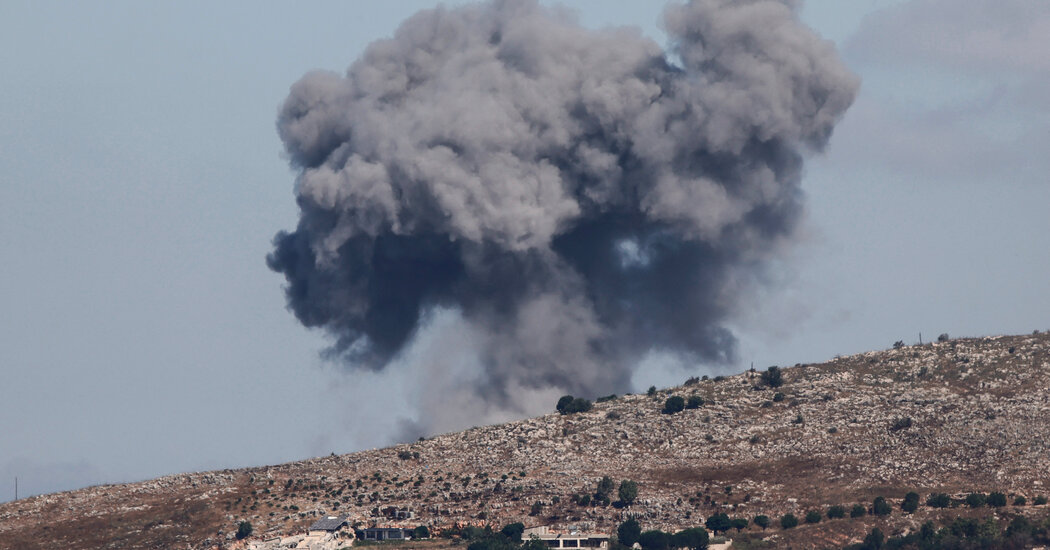
Nowhere is the fragility of this geopolitical realignment more evident than on the active battlefields of southern Lebanon, where a resurgence of deadly violence on Friday threatened to completely unravel the broader regional cease-fire envisioned by the Trump-Pezeshkian agreement. Despite the bilateral accord’s ambitious call for a comprehensive cessation of hostilities across all proxy fronts, the Israeli military launched a series of devastating airstrikes overnight targeting alleged Hezbollah positions, claiming that the Iran-backed militant group had repeatedly violated the localized truce. This military campaign met with ferocious resistance, as Hezbollah operatives launched guided anti-tank rockets at Israeli armored units operating along the contested border. The human toll of this sudden escalation was immediate and severe; Lebanese state media reported that Israeli warplanes struck civilian areas near the strategic city of Nabatieh, killing at least eight people and leaving neighborhoods in ruins. Simultaneously, the Israel Defense Forces suffered a painful blow when a Hezbollah attack on an armored vehicle in southern Lebanon claimed the lives of four Israeli soldiers, illustrating that neither Jerusalem nor Iran’s regional proxies feel bound by a peace agreement negotiated over their heads, transforming the Levant into a dangerous spoiler zone that could draw both superpowers back into open conflict.
Economic Relief, Geopolitical Leverage, and the Treacherous Path Ahead
As global energy markets watch the gradual resumption of crude oil shipments through the critical Strait of Hormuz—providing a momentary sigh of relief to a volatile global economy—the ultimate survival of this high-stakes diplomatic initiative hangs in a delicate balance. Critics have quickly pointed out that the administration’s public defense of the deal, largely articulated by Vice President Vance, relies on a highly optimistic and some say misleading premise: that the United States retains the upper hand because Iran will receive no further economic concessions unless it acquiesces to Washington’s strict demands in the subsequent rounds of negotiations. This argument, however, glosses over the reality that once sanctions are relaxed and trade begins to flow, putting the geopolitical genie of economic normalization back in the bottle becomes exponentially harder, particularly as other global powers like China and Russia rush to solidify their commercial ties with Tehran. Moving forward, the Trump administration faces the Herculean task of salvaging the postponed Swiss talks, managing a rebellious and militarily aggressive Israeli ally, and preventing localized skirmishes in Lebanon from igniting a wider regional conflagration that would instantly incinerate their hard-won preliminary peace. In this high-stakes theater of modern statecraft, the line between a historic diplomatic triumph and a catastrophic foreign policy failure has never been thinner, and the coming weeks will determine whether this administration’s transactional approach to international relations can truly reshape the Middle East or if it will simply pave the way for an even more explosive conflict.