



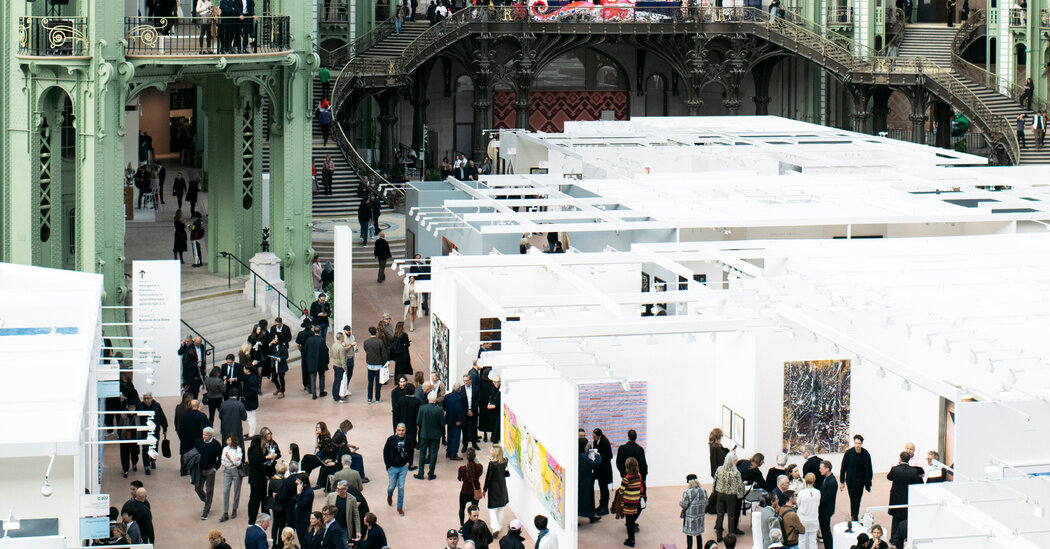
To walk into a contemporary art fair today is to step into a sensory overload of brilliant neon, towering sculptures, and a fashionable, humming crowd that seems to radiate prosperity. But behind this dazzling, high-vibrational facade lies a quiet, simmering crisis that the glittering surface of the art world works desperately to hide. The sobering truth, laid bare in the comprehensive 2026 Art Basel/UBS Art Market Report, is that while the cultural footprint of art has ballooned to historic proportions, the financial reality has hit a brick wall. When we pull back the curtain of hype and adjust the cold, hard data for inflation, we find that the global art market has not actually grown; it has stagnated, settling into a flatline that stubbornly mirrors the grim economic doldrums of the 2009 Great Recession and the paralyzing uncertainty of the 2020 pandemic. This stark disparity between cultural visibility and actual monetary volume has left the creative ecosystem in a state of quiet panic, exposing a fragile truth: we have built a colossal, expensive stage, but the audience of paying patrons has remained resolutely small.
This economic stagnation is not just a abstract corporate headache for elite dealers; it is a direct blow to the local, brick-and-mortar art galleries that form the vital, beating heart of our cultural landscape. Running a gallery has always been a labor of love, but today’s dealers find themselves trapped in a punishing pincer movement of dwindling sales and exponentially rising operational costs. When a neighborhood gallery is forced to close its doors, we lose far more than a retail shop; we lose the very foundation of the artistic ecosystem. Galleries are the brave scouts of the art world, discovering raw talent, offering free public sanctuaries where anyone can experience high culture without a ticket, and acting as the silent, uncredited financiers behind the glittering museum exhibitions and international biennials we all enjoy. At a time when public arts funding, corporate sponsorships, and museum budgets have shriveled to almost nothing, it is the independent gallerist who quietly pays for the artist’s materials, shipping, and studio rent, forging a critical lifeline that directly dictates whether an artist can afford to keep creating or be forced to abandon their practice entirely.
To understand how we arrived at this precarious tipping point, we must look back to a time when the art world operated on a much more human, intimate scale. Decades ago, galleries were predominantly small, idiosyncratic businesses deeply rooted in the gritty, creative neighborhoods where artists actually lived and worked. The relationship between a dealer, an artist, and a collector was built on patience, intellectual curiosity, and a deep-seated sense of shared purpose. Collectors were not looking for quick financial returns or social-media clout; they were passionate connoisseurs who spent long, slow afternoons in quiet gallery backrooms, engaging in intense debates over a single painting while sharing a bottle of mediocre wine. Transactions were sealed with warm handshakes and gentlemen’s agreements, driven by a potent mix of possessive desire, a genuine love for the creative process, and a sense of civic responsibility to support the voices of their generation. It was a cozy, somewhat eccentric subculture where the pursuit of meaning consistently triumphed over the raw pursuit of profit.
Over the past twenty years, however, this intimate subculture was violently disrupted as contemporary art was swept up in the global currents of mass entertainment and pop culture. Suddenly, art was no longer an esoteric pursuit for the initiated; it became a highly visible lifestyle brand and a primary tourist attraction, heralded by the opening of cavernous, starchitect-designed museums in major cities across the globe. The rise of the smartphone and social media transformed quiet gallery spaces into colorful backdrops for selfies, turning artistic engagement into a performative digital currency. Simultaneously, the international art fair circuit exploded into a year-round, globe-trotting circus where events like Art Basel Miami Beach morphed into star-studded spectacle zones, drawing in celebrities, corporate sponsors, and oceans of media attention. On the surface, it looked like a golden age of democratic access and unprecedented prosperity, creating the intoxicating illusion that the art world was bigger, richer, and more influential than ever before.
Yet, this massive, hyper-public expansion created a structural nightmare for the galleries trying to survive within it because the actual business of selling art failed to keep pace with the towering cultural hype. The sheer scale of this modern playground requires galleries to shoulder exorbitant new financial burdens merely to remain visible, from renting astronomically expensive booths at multiple global fairs to underwriting the costly museum solos that their artists now require to stay competitive. Gallerists find themselves trapped on a relentless, exhausting hamster wheel, spending hundreds of thousands of dollars on shipping, travel, and VIP entertaining, only to realize that the math of this supersized world simply does not add up. The harsh reality of the current luxury market is that while there is an endless supply of tourists eager to photograph a million-dollar installation, there is a severe, critical shortage of actual collectors willing to buy it, leaving galleries to bear the crushing weight of a global spectacle on a localized budget.
Ultimately, this systemic imbalance leaves us at a profound cultural crossroads, forcing us to ask what kind of creative future we are building if we allow the gallery system to collapse under the weight of its own glamour. When we treat art merely as a backdrop for social prestige rather than a deep, human encounter, we starve the very soil that allows challenging, experimental, and diverse voices to grow in the first place. If we want a culture that is rich, daring, and reflective of our shared humanity, we must look past the artificial glare of the red carpet and the dazzling distractions of the digital age to recommit to the quiet, vital labor of artistic stewardship. It is time to champion the independent galleries, to support the grueling daily work of the creators, and to cultivate a new generation of collectors who understand that the true value of art cannot be measured by a market report, but by its enduring power to move, challenge, and connect us.