


On what began as a routine Tuesday, the familiar, rhythmic cadence of Wilmington Hospital in Delaware was abruptly shattered by the terrifying sound of gunshots, turning a place of quiet recovery into a scene of absolute chaos and dread. Hospitals are universally regarded as sacred sanctuaries of healing, spaces where the vulnerable seek refuge, where life is carefully preserved, and where families gather in hope and grief. Yet, in an instant, the sterile, brightly lit corridors of this ChristianaCare facility became a labyrinth of fear as alerts of an active shooter echoed through the speakers. Inside, the mundane sounds of squeaking medical carts, murmuring clinicians, and soft-toned monitors were violently replaced by screams, frantic footsteps, and the heavy thud of doors being slammed shut and barricaded. Patients who were already physically compromised, weak, or physically tethered to intravenous lines and monitoring machines found themselves helpless, forced to rely entirely on the rapid, heroic instincts of the hospital’s dedicated staff. Nurses and doctors, trained to put others before themselves, immediately shifted from administering medicine to executing emergency defense protocols, pulling terrified visitors into dark storage closets, lockable exam rooms, and offices while whispering quiet words of reassurance to keep them silent. The psychological weight of this sudden transition cannot be understated; in a flash, people who had entered the building to find relief from their ailments were clutching strangers in the dark, listening intently to every footstep and echo in the hallway, wondering if they would make it home. As the initial panic rippled through the multiple floors of the hospital complex, the collective sense of safety dissolved, leaving everyone inside to grapple with the shocking realization that even a bastion of healthcare is not immune to the devastating reach of modern gun violence.
As the emergency calls flooded dispatch centers, a massive, highly coordinated law enforcement response descended upon the Wilmington Hospital campus, creating a dramatic and highly visible perimeter of flashing lights and tactical gear. With the situation still fluid and dangerous, the administration, in lockstep with responding officers, placed the entire facility on an absolute lockdown, while simultaneously declaring a critical “divert” status for the emergency department. For a major healthcare center, going on divert is a drastic, high-stakes decision; it means that arriving ambulances carrying critically ill or injured patients must be rerouted to other, more distant facilities, potentially risking lives due to lost transit time. Outside, the scene resembled a military operation as tactical units, local police vehicles, and emergency medical services swarmed the streets, blocking off transit lanes and ordering the public to steer clear of the area. Aerial footage captured by news helicopters showed the sweeping scale of the crisis, revealing dozens of law enforcement officers cautiously moving along the exterior walls, weapons drawn, as they secured potential entry and exit points. Inside the building, the lockdown meant that movement stopped completely; surgeries were paused or completed under armed guard, visitors were trapped in patient rooms, and the quiet tension of the unknown hung heavily in the air. The contrast between the urgent, chaotic movement of armed officers outside and the frozen, silent terror of the staff and patients inside highlighted the immense operational challenge of neutralizing a threat in an active medical environment. Every corner of the campus had to be systematically swept, an agonizingly slow process designed to ensure that no secondary threats remained, while those huddled indoors waited for any sign that the nightmare had finally come to an end.
At the heart of this unfolding tragedy were two victims who were struck by the gunfire, their identities and the exact nature of their injuries initially shrouded in the uncertainty of the early investigation. The tragic irony of a shooting occurring within the walls of a hospital lies in the immediate proximity of life-saving medical care, yet the chaotic circumstances of an active shooter zone make administering that care incredibly perilous. As first responders worked to secure the scene, medical teams within the facility faced the daunting task of treating their wounded peers or patients under the threat of impending violence, embodying an extraordinary level of courage under fire. For the families of these victims, the agonizing wait for news was compounded by the lockdown, which prevented loved ones from entering the facility or receiving real-time updates on their conditions. This senseless act of violence disrupted not only the lives of the two directly injured but left invisible psychological scars on everyone present, particularly the healthcare workers who have spent the last several years facing unprecedented professional burnout. Caregivers, who already bear a massive emotional burden on a daily basis, were suddenly forced to confront the reality of their own mortality while on shift, tending to wounds inflicted by violence rather than disease. This traumatic event highlights the ultimate vulnerability of medical spaces; when the very people tasked with healing are themselves wounded, the fundamental trust between a community and its sanctuaries of care is severely tested. Inside the locked-down wings, coworkers had to suppress their own terror and tears, channeling all of their adrenaline into saving the lives of the gunshot victims, knowing that any lapse in focus could mean the difference between life and death. The profound bravery displayed by these medical professionals, who treated the wounded while police cleared the building room by room, stands as a testament to human resilience in the face of sudden, unmitigated horror.
While medical teams worked tirelessly inside the facility, law enforcement launched an intensive investigation to locate and apprehend the suspect, whose identity was known to officials but not initially released to the public. Scanner traffic crackled with urgent dispatches as investigators worked in real-time, sharing vital physical descriptions and scouring local transportation networks for any sign of escape. A key piece of the investigation focused on a vehicle with Delaware registration that was believed to be connected to the shooter, prompting a state-wide search as officers monitored major thoroughfares and highway cameras for the suspect’s movements. This search introduced a palpable layer of anxiety to the broader Wilmington area, as residents realized that a potentially armed and dangerous individual was loose in their community, prompting heightened security measures at nearby businesses, schools, and residential neighborhoods. The police department’s statements remained cautious and preliminary, emphasizing that details were subject to change as the active investigation unfolded and warning the public to report any suspicious activity immediately. This period of waiting is often the most agonizing for a community, as rumors circulate fast on social media, making the accurate dissemination of official police updates crucial to maintaining order and preventing widespread panic. Every lead was pursued with extreme urgency, as detectives worked to piece together the events that led up to the shooting, searching for a possible motive that could explain why someone would target a medical facility. The lack of immediate answers only added to the public’s distress, leaving people to wonder if this was a targeted personal dispute, a domestic violence incident spilling over into public view, or a random act of senseless cruelty on an unsuspecting population. As night began to fall and the search widened, the tension lingered over Wilmington, a stark reminder of how quickly the actions of a single individual can shatter the collective peace of an entire region.
This harrowing incident at Wilmington Hospital unfortunately fits into a broader, deeply concerning national trend that has seen a steady rise in violence occurring within healthcare facilities across the country. Hospitals, which historically operated as open, welcoming environments designed for easy public access and patient convenience, have increasingly been forced to implement stringent security measures, complete with metal detectors, armed safety personnel, and mandatory active shooter drills. The modern reality of working in healthcare now involves not only managing medical crises but also preparing for the threat of physical assault, a sobering fact that has led to a growing sense of vulnerability among doctors, nurses, and support staff. When shootings occur in these environments, they disrupt the critical balance of trust needed for effective medical care, turning places that should be defined by empathy and safety into fortresses of caution and suspicion. This shift has significant implications for patient care, as the stress of potential violence contributes to high turnover rates among healthcare professionals, who find themselves facing risks they never anticipated when choosing their career paths. The conversation surrounding this shooting must therefore extend beyond the immediate details of the crime to address the systemic vulnerabilities faced by those working in public-facing safety-net institutions. It serves as a stark reminder of the urgent need for comprehensive violence prevention strategies, increased mental health support, and robust defense measures to protect the individuals who dedicate their lives to caring for the sick and injured day in and day out. As communities across America grapple with an ongoing wave of gun violence that spares no demographic or location—from shopping malls and schools to places of worship and hospitals—the psychological toll is cumulative, eroding the sense of safety that is essential to cohesive civic life. By analyzing this tragedy through a wider lens, we can begin to appreciate the immense courage of those who continue to work in these high-stress environments, emphasizing that the protection of our healthcare infrastructure is a crucial public health priority that demands immediate attention and sustained action from policymakers at all levels of government.
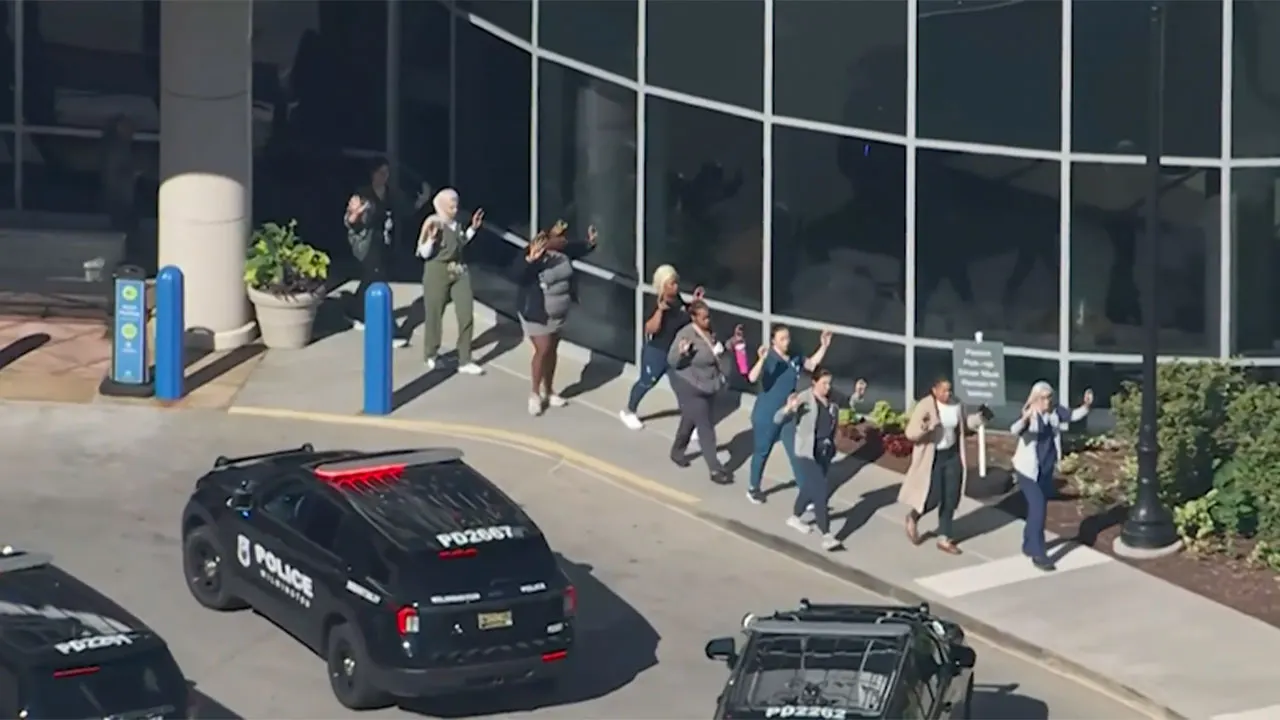
As the long, grueling day drew to a close, the immediate danger at Wilmington Hospital slowly began to subside, leaving behind an exhausted, deeply shaken community that must now begin the painful process of healing and rebuilding trust. Dramatic footage of hospital personnel and visitors slowly exiting the facility with their hands raised in the air served as a visual testament to the trauma they had collectively endured, highlighting the sudden loss of dignity and security that accompanies such events. While the physical lockdown was eventually lifted and police officers began to clear the surrounding streets, the emotional repercussions of the afternoon’s events will undoubtedly linger for weeks, months, and even years to come. The road to recovery for Wilmington Hospital will require not just structural repairs or updated security protocols, but a concerted effort to support the mental health and emotional well-being of the staff, patients, and families who lived through those terrifying hours. In the days ahead, the resilience of the community will be on full display as neighbors support one another, expressing profound gratitude to the first responders who rushed toward danger and the medical professionals who remained steadfast in their duty. Ultimately, this tragic event is a powerful reminder of the fragility of peace, but it also shines a light on the enduring strength of human compassion, proving that even in the face of senseless violence, the dedication of those who heal will always outshine the destructive actions of those who seek to harm. As investigators continue their meticulous work to uncover the full story behind this shooting and bring the perpetrator to justice, the people of Delaware will stand united, refusing to let fear dictate their daily lives or diminish their appreciation for their local healthcare heroes. This collective resolve serves as a beacon of hope, reminding us that while we must remain vigilant in an increasingly unpredictable world, the warmth, unity, and resilience of a community determined to stand together will always be the most powerful antidote to tragedy.