


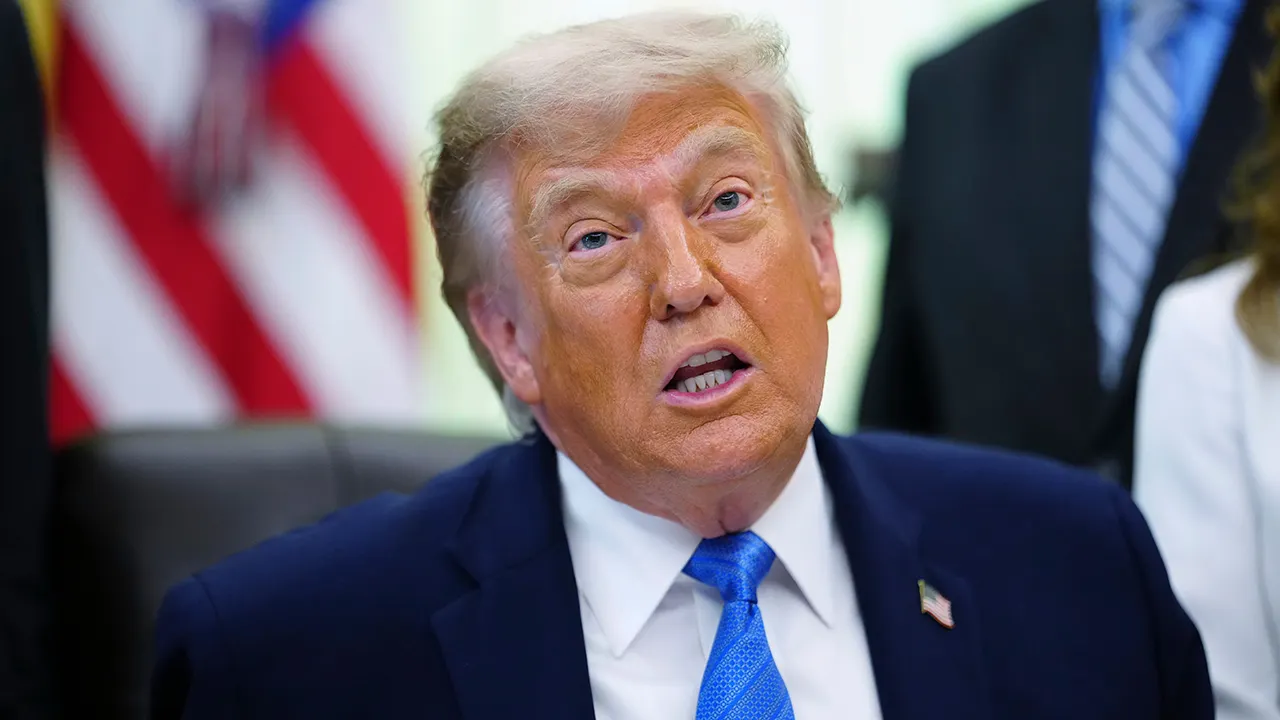
As the morning sun gently breaks across the horizon, casting its first golden rays over a nation preparing for another bustling day, the global landscape presents a complex tapestry of high-stakes diplomacy and geopolitical maneuvering. At the very center of today’s international discourse is a startling revelation from former President Donald Trump, who disclosed that official representatives from the Iranian government reached out to him with an urgent request in the wake of targeted executive military strikes. This unprecedented backchannel communication highlights the volatile and unpredictable nature of modern foreign affairs, where military action and quiet diplomacy often share the same tense stage. For many citizens sitting down with their morning coffee, such news underscores the fragile balance of global security and the immense responsibility carried by those who command the world’s most powerful armed forces. The dialogue surrounding Iran’s real intentions remains highly polarized; while some view any attempt at communication as a potential opening for diplomatic breakthroughs, others, like foreign policy analyst Erfan Fard, strongly caution that Iran operates under a geopolitical framework that defies traditional diplomacy. Indeed, Fard warns that the regime in Tehran represents a persistent, systemic threat to Western national security rather than a conventional state actor with whom one can negotiate lasting, good-faith agreements. Further amplifying this hawkish stance, Senator Rick Scott recently delivered a sobering assessment of the situation, warning that any hostile escalation by the regime would result in absolute and devastating consequences for their leadership and state infrastructure. These unfolding geopolitical chess moves remind us that behind every policy decision, military order, and diplomatic cable lie the hopes and fears of millions of ordinary people worldwide, all of whom seek stability, safety, and a world where conflicts are resolved before they spill over into widespread crisis. Collectively, these security developments set a gravity-laden tone for the morning, challenging Americans to look beyond their immediate borders and contemplate the nation’s evolving role on the grand, often chaotic stage of international relations.
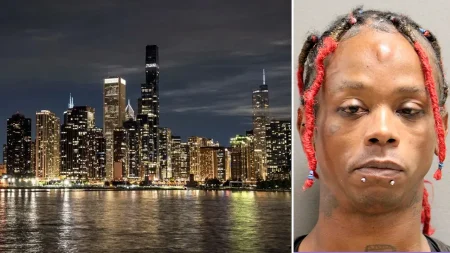
Closer to home, the focus shifts from international defense to the critical pursuit of domestic justice, where law enforcement agencies and local communities are grappling with issues of systemic integrity, public safety, and profound personal tragedy. In a striking victory for the preservation of public trust, the Federal Bureau of Investigation announced a breakthrough arrest in the multimillion-dollar fraud case involving the “Feeding Our Future” program—an initiative originally designed to feed vulnerable, low-income children during times of national hardship. The revelation that millions of dollars meant to nourish hungry young lives were instead siphoned off by opportunistic actors has struck a deeply personal chord with many Americans, serving as a painful reminder of how greed can exploit the most noble of societal safety nets. This investigation stands alongside other intense fiscal controversies, including the intense scrutiny now surrounding the plummeting net worth of Representative Ilhan Omar, whose sudden asset decline from millions to under one hundred thousand dollars has prompted furious demands from political opponents for a thorough, transparent financial investigation. Beyond these cold battles of financial ledger books, the domestic landscape is also scarred by deeply personal losses that remind us of the tragic fragility of human life. Nowhere is this more painfully evident than in Indianapolis, where a community is united in grief and outrage after a suspect was apprehended, now facing up to a century behind bars, for the horrific femicide of a pregnant mother of seven children. In a parallel effort to demand accountability and uphold the honor of those who serve, the military justice system also delivered a definitive ruling, sentencing a young Navy sailor to forty-four years in prison for the tragic, senseless strangulation of a fellow service member within the confines of a barracks room. Each of these stories, though distinct in their legal details, shares a powerful common denominator: they represent a collective, enduring human yearning for accountability, a public plea for systemic transparency, and a deep-seated hope that even in the face of profound betrayal and heartbreaking loss, the rule of law will ultimately prevail to heal and protect our communities.
As the administrative gears of government continue to grind, the ideological battle for the soul of the country’s domestic policy is playing out through aggressive restructuring and fierce debates over the nation’s borders and local economies. In Washington, the Trump administration has initiated a sweeping “house cleaning” process, deliberately severing longstanding ties with dozens of progressive community organizations and advocacy groups. This decisive administrative maneuver is designed to halt government cooperation with entities that hold viewpoints in direct opposition to the administration’s core agenda, signaling a dramatic shift toward a more streamlined, ideologically unified approach to governance. This domestic policy recalibration is particularly evident along the southern border, where the ongoing debate over immigration enforcement has reached a fever pitch. Highlighting these structural concerns, a Missouri senator has issued a stark, culturally urgent warning, arguing that progressive immigration policies do not just challenge administrative capacities, but fundamentally threaten the preservation of Western civilization itself. This philosophical battleground is backed by material actions, as congressional leaders celebrate newly acquired funding for Immigration and Customs Enforcement (ICE) to reinforce the rule of law on the ground, a position strongly defended by representatives like Chip Roy, who argue that orderly, lawful enforcement is the only way to preserve sovereign stability. Yet, even as the federal government wrestles with bureaucratic alignment and border security, real-world economic dynamics are rewriting the fortunes of local populations across the country. In one southern state, a massive population boom is dramatically reshaping the region, driving up real estate values and enabling local residents to achieve unprecedented levels of personal wealth. This fascinating demographic shift proves that despite the bitter ideological feuds dominating the national news cycle, the basic human drive for upward mobility, economic security, and a prosperous environment in which to raise a family remains the primary engine driving American growth and community development.
This landscape of deep division and economic transformation is naturally reflected in, and often exacerbated by, our vibrant and highly contentious media ecosystem, which serves as both a mirror and a magnifying glass for America’s broader cultural anxieties. On the popular daytime talk show The View, hosts found themselves embroiled in a passionate clash over whether the Democratic establishment should unify in support of the politically troubled figure Platner, highlighting the intense internal debates over moral character and political pragmatism that currently divide both major parties. This media friction extends far beyond television studios into the digital world, where popular children’s content creators are stepping into the political arena; recently, a prominent kids’ YouTuber sparked widespread reflection by asking why society is, in his words, “terrorizing children” with intense political imagery following an emotionally overwhelming visit to an ICE facility. Meanwhile, the bureaucratic processes of the nation’s most populous state have drawn sharp criticism from unexpected quarters, as the New York Times editorial board publicly rebuked California’s exceptionally slow, “leisurely” pace of counting election ballots—a delay that critics argue erodes public confidence in the electoral system at a time when faith in democratic institutions is already dangerously low. At the same time, the ongoing battle for media accountability continues in the judicial system, where a highly decorated Navy veteran, who previously won a landmark defamation case against CNN, is now appealing a separate lawsuit against the Associated Press in an effort to demand greater accuracy and fairness from mainstream journalistic outlets. These media and cultural clashes are not merely superficial disputes; they are the intellectual battlegrounds where the boundaries of free speech, the responsibility of the press, and the moral obligations of public figures are continuously tested, demonstrating a collective human striving to define what is fair, what is true, and what is valuable to our society.
While political and social debates demand our constant intellectual attention, the world of sports continues to provide both a thrilling escape and a dramatic reflection of our culture’s obsession with excellence, resilience, and monumental wealth. In a stunning performance that will be discussed by sports historians for decades to come, the New York Knicks defied all expectations, completing what many are calling the greatest, most miraculous comeback in NBA Finals history to capture a legendary championship. This historic triumph on the hardwood stands as a testament to the enduring human spirit, proving that with relentless teamwork, mental fortitude, and a refusal to surrender, even the most insurmountable deficits can be overcome. This sensational physical achievement is mirrored on the gridiron by the staggering financial dynamics of professional football, where superstar quarterback Patrick Mahomes has agreed to a monumental, historic contract extension that utterly dwarfs every previous quarterback deal in NFL history. Mahomes’ astronomical salary reflects not only his transcendent personal talent and leadership on the field but also the massive, multi-billion-dollar economic engine of modern American sports entertainment. However, this explosive financialization of sports is not without its drawbacks for the everyday working-class fan; international soccer enthusiasts are currently facing a sobering financial reality, with reports indicating that ticket prices for the upcoming World Cup in host cities have skyrocketed to levels comparable to a home mortgage. This dramatic inflation of event pricing raises crucial questions about accessibility and inclusivity, reminding us of the delicate balance between professional sports as a highly lucrative global business and sports as a fundamentally communal, accessible human passion that has the unique power to unite people of all backgrounds, income levels, and cultures across the planet.
As the day fully unfolds and we settle into our individual morning routines, the complex, fast-paced news cycle eventually narrows down to the intimate, quiet moments of personal wellness, lifestyle choices, and deep cultural self-reflection. In a fascinating shift in dietary habits, “protein coffee”—affectionately dubbed “proffee” by its enthusiastic adopters—has taken the country by storm, particularly among health-conscious Americans over the age of forty who are eager to combine their essential morning caffeine boost with a healthy dose of daily nutrition. This simple lifestyle trend is a reminder that amidst the overarching geopolitical and economic storms of our era, people remain deeply invested in the small, manageable ways they can improve their daily vitality, manage their stress levels, and care for their physical well-being. This pursuit of personal improvement is beautifully complemented by a broader, collective interest in national identity and history, as highlighted by a popular new patriotism quiz and upcoming national podcasts exploring what patriotism, civic duty, and democratic participation truly mean to different generations. As the United States rapidly approaches its milestone 250th anniversary, these deep generational conversations are more vital than ever, helping to bridge the gap between older citizens who view the nation through the lens of traditional civic pride and younger generations who are seeking to redefine American ideals for a modern, interconnected world. Ultimately, whether we are contemplating massive shifts in international relations, celebrating historic sports victories, adjusting our diets for better health, or meditating on the enduring promise of democracy, we are all active participants in a grand, shared human narrative. As you step out the door to face the opportunities and challenges of this brand-new day, may you carry with you a spirit of curiosity, resilience, and a deep, empathetic connection to the community around you, knowing that each small action we take contributes to the ongoing, beautiful story of our world.