


The modern world seems to have engineered a quiet, tragic cage for Generation Z. As toddlers and young children, they were handed a sleek, glass-and-aluminum world of smartphones and iPads, tools that subtly but permanently rewired their brains to experience life through a glowing portal rather than with their own eyes. Just as they were reaching the formative, awkward years of early adolescence, when the desire to escape the parental gaze and find one’s tribal identity peaks, the global pandemic shuttered their schools and pushed them into the sterile solitude of Zoom classrooms. For years, their bedrooms were their classrooms, their social clubs, and their entire universes. Now, as they finally attempt to step back out into the sunlit, physical world to claim the simple, messy rights of youth, they are finding that the doors are being slammed shut in their faces. Society has decided to systematically lock them out of the very “third spaces”—those vital, informal public gathering places outside of home and school—that have sustained generations of adolescents before them. Across cities and suburbs, a hostile architecture of exclusion is rising, sending a chill, unmistakable message to young people: you are not welcome here unless you are supervised, monetized, or silent.
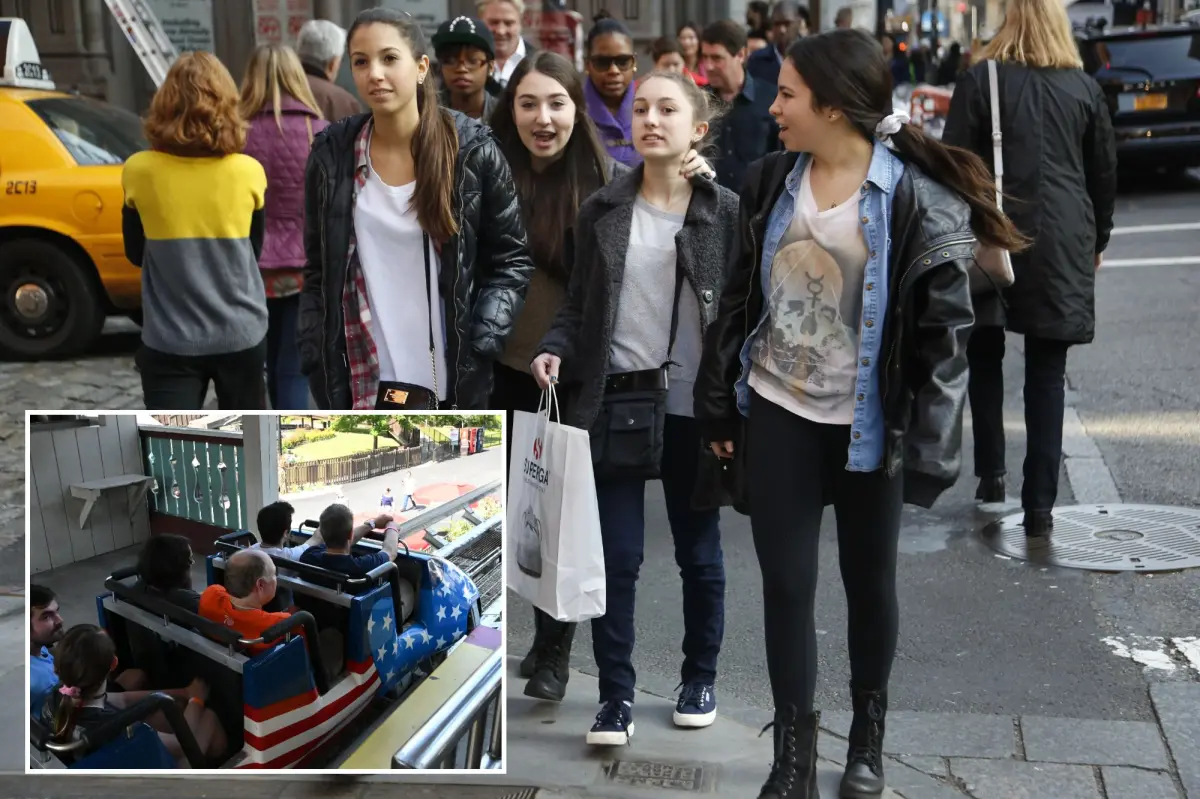
In places like Albany, New York, this exclusionary wave has taken on a dishearteningly concrete form. Unaccompanied teenagers are being categorically banned from the classic sanctuaries of American youth: local bowling alleys, roller skating rinks, bookstores, fast-food joints, and even neighborhood grocery stores. At the Six Flags Great Escape amusement park in Queensbury, a sprawling park that once served as a summery rite of passage for local teenagers, a strict chaperone policy now ensures that a seventeen-year-old cannot walk through the gates with their friends on a hot July afternoon unless an adult is walking alongside them. Even in Brooklyn, at the busy Atlantic Terminal Mall, severe weekend restrictions ban teens without guardians following post-school altercations. While business owners argue that these bans are a necessary defense against rowdiness, shoplifting, and noisy outbursts, the collateral damage of these sweeping policies is immense. It creates an environment where teenagers are treated as inherent public nuisances. This policy disproportionately hurts the children of working-class parents who cannot afford the time or money to act as full-time escorts, effectively punishing kids for the natural, boisterous energy of youth and stripping them of the ability to learn how to navigate the public square of their own accord.
This deep hypocrisy is not lost on advocates for children’s freedom, such as Lenore Skenazy, the president of the nonprofit organization Let Grow and the pioneer of the “Free Range Kids” movement. Skenazy rightly points out the cruel double standard of a culture that constantly laments how today’s youth are hopelessly addicted to their screens, while simultaneously locking them out of every physical space where they could gather in real life. When society refuses to let young people congregate at the bowling alley or the local diner, they are actively forced back into the virtual arms of social media algorithms designed by Silicon Valley executives to exploit their attention. Skenazy argues that while it is entirely reasonable for an establishment to kick out individual teenagers who are behaving badly or breaking the rules, it is a form of collective punishment to ban an entire demographic simply because of their age. By pathologizing all teenagers as potential troublemakers, we rob them of the essential trial-and-error experiences of growing up—learning how to order food, tip a cashier, navigate public transport, and resolve peer arguments without a parental referee hovering nearby.
This systemic isolation is extracting a profound psychological toll on our children, as analyzed by social psychologist Jonathan Haidt, whose paradigm-shifting book The Anxious Generation sounds a loud alarm on the consequences of our current cultural trajectory. Haidt has long warned that the rapid, historically unprecedented decline in real-world adolescent socialization—such as hangouts, parties, casual neighborhood exploration, and even obtaining a driver’s license—is directly linked to the current, catastrophic mental health crisis among youth. When we replace a play-based, physically present childhood with a phone-based, highly curated virtual childhood, we starve young brains of the essential experiences required to build emotional resilience and social competence. Virtual interactions on social media are inherently anxious, performance-driven, and devoid of the rich sensory data of human contact. When kids are stripped of physical places to meet, test social boundaries, and experience the healthy, real-world friction of peer relationships, they withdraw further into the addictive comfort of their screens, resulting in skyrocketing rates of depression, anxiety, loneliness, and self-harm.
Contrary to the prevailing stereotype that teenagers actually prefer their digital silos, the evidence suggests that they are deeply unhappy with the hand they have been dealt. A recent comprehensive poll from the United Kingdom revealed that an overwhelming eighty-seven percent of young people aged eighteen to thirty feel they have significantly fewer opportunities to connect with friends in person than previous generations did. Furthermore, Skenazy’s research among younger children aged eight to twelve reveals a heart-wrenching truth: when given a choice, children overwhelmingly prefer unstructured, real-world hangout time with friends over organized, adult-directed activities or playing video games online. The tragedy of modern youth is that they do not want to be trapped behind screens; they are desperately yearning for the visceral, sensory-rich experiences of yesteryear. They want to experience the thrill of walking down a street with their peers, sharing a basket of fries at a diner, laughing hysterically at a movie theater, or simply sitting on a curb discussing their dreams and anxieties without a security guard ordering them to disperse.
As a society, we have reached a critical crossroads where we must decide what kind of future we want to build for the generation that will eventually inherit the earth. We cannot continue to demand that young people pull themselves away from the seductive allure of their smartphones while simultaneously locking the doors to every physical space where they might learn to be human together. We must consciously choose to reject this culture of fear and exclusion, opting instead for a world that embraces the occasional, chaotic exuberance of adolescence as a healthy and necessary part of community life. This requires business owners, civic leaders, and parents alike to tolerate a little noise and minor disruption as the reasonable price of fostering healthy, well-adjusted future citizens. If we refuse to tolerate teenagers in our stores, our parks, and our malls, we are effectively choosing to let them rot in their rooms, isolated and anxious. It is time to open the doors, tear down the restrictive signs, and welcome our youth back into the real world, giving them the vital freedom to gather, to play, to stumble, and to grow up together.