

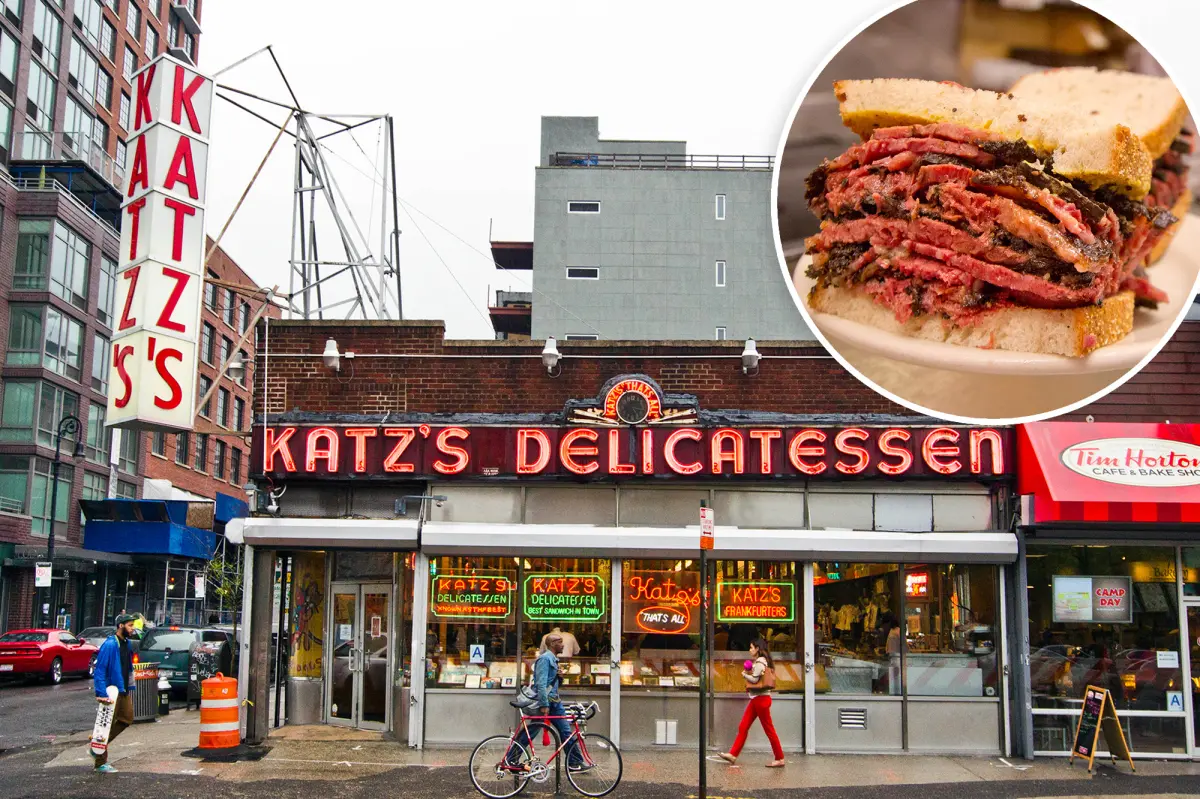
The rich, comforting scent of cured beef, coarse coriander, black pepper, and fresh garlic has hung heavy over the intersection of Ludlow and Houston Streets on Manhattan’s Lower East Side since 1888, serving as a fragrant beacon of cultural endurance. Katz’s Delicatessen is not merely a restaurant; it is a living, breathing archive of the American immigrant experience, a secular temple where the sacred ritual of hand-carving pastrami has been preserved across generations. To step through its doors is to enter a synchronized, chaotic dance of clattering plates, shouting cutters, and the distinctive tactile sensation of holding a small paper ticket that guards your culinary destiny. Inside, the walls are a mosaic of fading photographs of old-world celebrities, modern politicians, and everyday neighborhood patrons, all united by their devotion to sandwiches so thick they challenge the structural integrity of double-baked rye bread. The brisket, cured for up to thirty days in a secret, slow-acting brine and smoked with careful precision, is sliced with surgical artistry by cutters who treat their trade like a high calling, ensuring every slice balances lean meat, marbled fat, and spiced bark in perfect harmony. This legendary institution, which survived economic depressions, world wars, and the rapid gentrification of its beloved neighborhood, has long been considered an immovable fixture of New York heritage. Yet, in a move that has sent shockwaves of excitement through the heartland of America, this legendary bastion of Jewish deli culture is packing up its historic knives, its secret spice blends, and its incomparable pastrami to embark on a cross-country journey to the Midwest, proving that true comfort food knows no geographic boundaries.
This coming August, the legendary flavors of the Lower East Side are headed west to St. Louis, Missouri, where they will anchor the highly anticipated Foodies Eat First Fest, scheduled to take place on August 22 and 23. Representing its second consecutive appearance at the event, this ambitious food festival has fast become a cornerstone of the Midwestern culinary calendar, transforming St. Louis into a vibrant crossroads of taste, culture, and community. Conceived as a curated celebration, the two-day gathering is designed to showcase the very best local flavors of the Gateway City while simultaneously introducing world-class culinary icons from across the nation, putting local chefs on the same platform as legendary coastal landmarks. The brains behind this ambitious culinary feast is Braden Tewolde, a visionary promoter who sought to create more than just a typical street fair; he envisioned an immersive, multi-sensory celebration where outstanding chefs, award-winning mixologists, and passionate food lovers could gather in one shared space to create unforgettable memories. By forging a partnership with a legendary institution like Katz’s, Tewolde managed to bridge the distance between two distinct American culinary landscapes, offering Midwesterners a rare and authentic taste of New York history without the expensive plane ticket or the grueling hours spent waiting in lines that stretch down East Houston Street. For St. Louis, a city with its own rich culinary identity rooted in deep-dish memories, toasted ravioli, and smoky sweet barbecue, the festival represents an opportunity to embrace a global food movement, showing that the love for a masterfully crafted sandwich is a universal language that can unite people across state lines.
The decision to bring Katz’s back to Missouri for a second year was not born out of generic marketing strategy, but rather out of the overwhelming, emotional response from the community during the deli’s debut last August. During that initial appearance, the NYC outpost sold more than 500 pounds of its legendary hand-carved pastrami, with long queues of hungry patrons stretching across the festival grounds, waiting eagerly for a single bite of culinary perfection. But as Braden Tewolde observed, the true measure of the festival’s success was not counted in pounds of meat sold or revenue generated, but in the profound human connections that were forged over those steaming, mustard-slathered sandwiches. In emotional testimonials shared across social media, Tewolde recalled tears of joy and declarations of profound gratitude from festival attendees, many of whom had not tasted authentic Katz’s pastrami in decades, or who suddenly found themselves transported back to core childhood moments spent in New York with parents and grandparents who have since passed away. Food possesses an extraordinary, almost supernatural power to serve as an emotional time machine, evoking memories, smells, and warmth from a time long gone, and it was this deeply felt connection that motivated Tewolde to bring the Lower East Side institution back to St. Louis. By establishing itself as the only destination outside of New York City where sweet-and-sour-loving patrons can experience an authentic, licensed Katz’s dining journey, the Foodies Eat First Fest has elevated itself from a simple food convention into a vital vessel of cultural preservation and emotional reunion.
Access to this extraordinary weekend of flavor is remarkably accessible, with early bird tickets currently priced at a modest fifteen dollars, a deliberate choice by organizers to ensure that the festival remains an inclusive community event rather than an elitist luxury. But a ticket to the Foodies Eat First Fest represents much more than just entry to a culinary wonderland; it acts as a direct investment in the health, healing, and resilience of the local community. The philanthropic core of the festival is a testament to Tewolde’s belief that hospitality should extend far beyond the margins of a plate or the walls of a dining tent, using the collective joy of eating to fund tangible progress and help those in need. In its 2025 iteration, the festival channeled its immense popularity into substantial charitable action, raising nearly seven thousand dollars to support relief efforts for families devastated by tornadoes in the St. Louis area, alongside a two-thousand-dollar contribution to The Trevor Project, a vital non-profit organization dedicated to providing suicide prevention services and mental health support to LGBTQ+ youth. Looking forward to the 2026 season, the festival has firmly pledged that a percentage of all ticket sales will continue to be funneled directly back into grass-roots community support initiatives, establishing a lasting cycle of mutual assistance where the simple act of sharing a meal with neighbors becomes an active, life-saving contribution to the region’s social safety net.
This year’s programming is also set to break traditional culinary festival molds by introducing innovative, fitness-focused experiences alongside its decadent food stalls, representing a dramatic and thoughtful expansion of the festival’s overall philosophy. This progressive evolution is a direct reflection of Braden Tewolde’s holistic vision for the future of food service, which calls for a balanced, modern approach to wellness, self-care, and hospitality culture. Historically, food festivals have been viewed as spaces of sheer, unbridled indulgence where health and nutrition are temporarily suspended, but Tewolde aims to challenge this binary by proving that savoring rich, luxurious foods can exist in beautiful harmony with physical activity and mental well-being. By integrating wellness workshops, group fitness challenges, and outdoor movement classes into the weekend’s itinerary, the festival invites attendees to celebrate their bodies’ strength just as enthusiastically as they indulge their taste buds. This thoughtful balance speaks to a larger cultural shift within the food and beverage industry, where chefs and consumers alike are recognizing the importance of sustainable health, mental clarity, and physical vitality, transforming what could be a heavy weekend of consumption into a holistic celebration of life, movement, and mindful nourishment.
Back on its home turf in Manhattan, Katz’s Delicatessen continues to build upon its own storied narrative, constantly bridging its iconic past with a vibrant, forward-looking present. The deli has occupied a uniquely prominent place in global pop culture, perhaps most famously immortalized in Rob Reiner’s 1989 romantic comedy classic, When Harry Met Sally…, in which Meg Ryan’s character famously and boisterously demonstrated a feigned climax at one of the restaurant’s central tables, prompting a neighboring patron to utter the legendary line, “I’ll have what she’s having.” Yet, even as it embraces its legendary screen history and the tourists who flock to sit under the sign marking the exact table where the scene was filmed, the deli remains deeply committed to honoring its architectural and community origins. This dedication to preservation was vividly demonstrated recently when Katz’s made headlines by officially reopening The Ludlow Room, a beautifully restored, sixty-eight-seat historic dining annex that had remained completely closed to the general public since 1949. By peeling back decades of storage and dust to welcome patrons back into this mid-century sanctuary, the current owners of Katz’s have once again proven that their mission is not merely to sell sandwiches, but to safeguard the architectural ghosts, the human connections, and the timeless culinary heritage of a bygone New York era, keeping the past alive for generations of food lovers yet to come.