


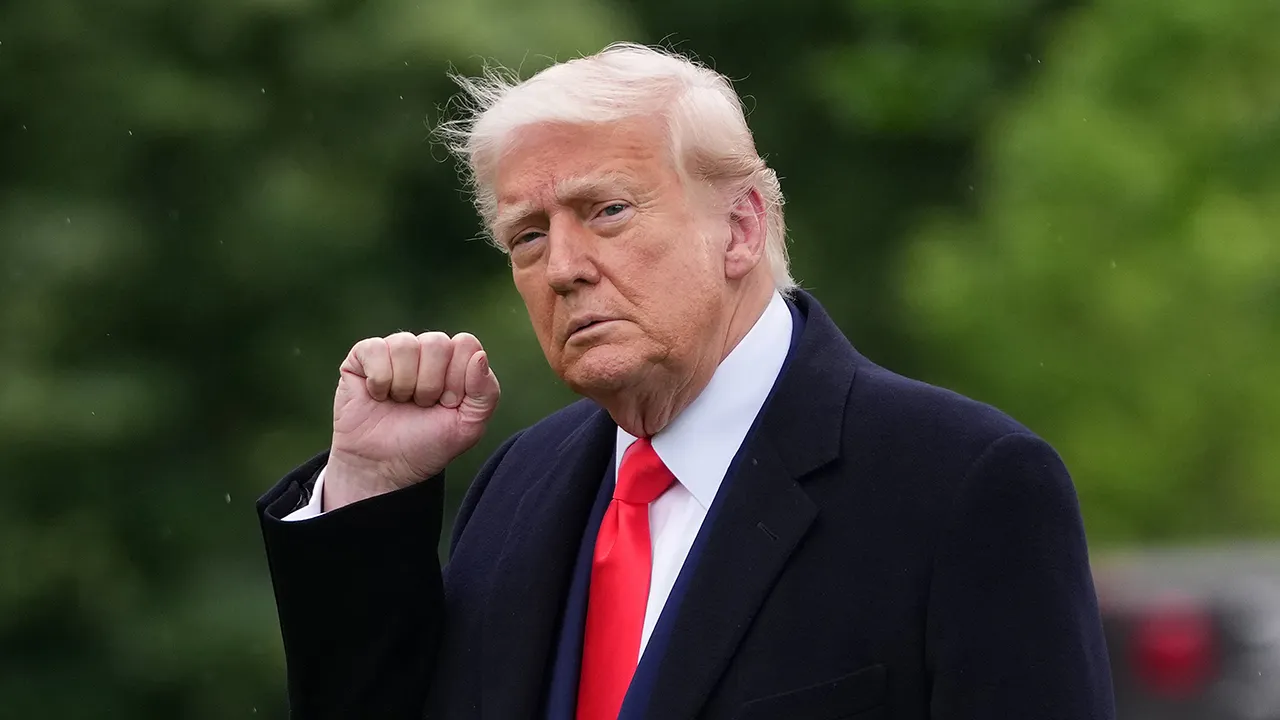
Madison Square Garden has long been celebrated as the undisputed “Mecca” of basketball, a historic arena where athletic legends are born, fierce rivalries are cemented, and the glittering worlds of entertainment, celebrity, and sports seamlessly collide. However, as the iconic arena prepared to host Game 3 of the NBA Finals, the typical nervous energy of a championship game was thoroughly overshadowed by an unprecedented security crackdown, transforming this Manhattan landmark into a veritable fortress. The looming physical presence of former President Donald Trump, who scheduled his high-profile visit to the game just days before celebrating his milestone 80th birthday, prompted a massive, highly coordinated joint operation involving the United States Secret Service, the Transportation Security Administration, and the New York Police Department. For the average ticket holder, walking into the arena for this pivotal matchup felt less like entering a classic sports venue and more like navigating an elite international border crossing, complete with endless metal detectors, heavily armed tactical teams, and canine units monitoring the bustling streets of Midtown Manhattan. This extraordinary display of defensive strategy fundamentally altered the vibrant, electric atmosphere that traditionally defines a New York playoff crowd, replacing the casual joy of a basketball game with the tense, hyper-vigilant energy of a high-security political summit. Ultimately, it serves as a stark and modern reminder of how easily the beloved escape of professional sports can be disrupted by the gravity of political theater, forcing thousands of everyday fans to navigate grueling checkpoints just to witness a slice of basketball history.
For the elite athletes who actually step onto the court, this dramatic shift in security was not just a minor spectacle to watch from afar; it was a deeply frustrating disruption to the meticulous pre-game routines that they rely on to perform at the highest level. San Antonio Spurs guard De’Aaron Fox did not hold back his annoyance when discussing how the former president’s impending arrival had completely threw a wrench into the players’ carefully timed preparations. Fox candidly lamented that Trump’s high-profile attendance made the entire evening highly inconvenient for everyone involved in the actual production of the game, forcing teams to leave their hotels on much earlier schedules and subject their buses to rigorous sweeps. Describing the process as being screened like they were traveling through a TSA checkpoint, the veteran guard highlighted the mental toll that these sudden security hurdles can take on players who are trying to lock in focus before a massive championship battle. Professional athletes are creatures of absolute habit, thriving on hyper-specific schedules of eating, stretching, and warming up, and having those rhythms disrupted by security lines and canine units introduces an unwanted layer of stress. Despite the frustration of having to alter their arrival windows and endure intrusive physical screenings, Fox ultimately resigned himself to the situation with a shrug, acknowledging the harsh reality that in the modern sports landscape, players must simply adapt to whatever circus surrounds them.
The divide in how Trump’s attendance was perceived highlights a fascinating contrast between the cold, business-oriented logic of professional sports leagues and the intensely focused, no-nonsense mindset of the players themselves. From a corporate standpoint, NBA Commissioner Adam Silver openly expressed his appreciation for the former president’s high-profile visit, practically cheering the guaranteed, massive ratings boost that a figure as polarizing as Trump brings to a national broadcast. In the modern media landscape, attention is the ultimate currency, and Silver’s pragmatic stance reflects a league office that is always hungry for eyeballs, cultural relevance, and the immense financial windfalls that come with being the center of the sporting universe. On the court, however, players like New York Knicks forward OG Anunoby chose to treat the political circus with a shrug of complete indifference, refusing to let the media’s obsession with the former president derail his competitive focus. When pressed by security-hungry reporters about how he felt sharing the arena with such a highly controversial leader, Anunoby delivered a matter-of-fact response, noting that Trump would simply be another regular fan sitting in the crowd while the players went out to do their jobs. This laser-sharp compartmentalization is a defense mechanism for top-tier athletes, who must block out the deafening noise of politics, fame, and media hype to protect their team’s hard-earned lead and maintain focus on the hardwood.
The tension surrounding Trump’s courtside appearance was further amplified by the deeply polarizing nature of his political brand, which has historically clashed with a league that has often positioned itself at the forefront of progressive social activism. In the days leading up to the game, public attention quickly shifted toward how different players might react to his presence, raising questions about whether any athletes would publicly show support or use the global platform to voice their dissent. The complex dynamic between Trump and the league’s new generation of stars was perfectly captured in his relationship with San Antonio Spurs phenom Victor Wembanyama, who had turned heads during Game 1 by standing quietly with his arms folded during the national anthem. Rather than seizing the opportunity to criticize the young French superstar for the gesture, Trump took a surprisingly complimentary and athletic-focused route when asked about the moment by reporters, showering Wembanyama with praise and marveling at his incredible physical dominance on the court. This rare moment of political restraint from Trump underscored the unique power of sports, where sheer, undeniable talent can occasionally transcend deep political divides and force even the most combative figures to pause and appreciate athletic genius. It created a fascinating subtext for Game 3, showing that while the political arguments raged in the concourses and on social media, the actual game remained a meritocracy where skill and physical marvels reigned supreme.
As the media continued to dig into the personal political histories of those participating in the Finals, attention inevitably turned to New York Knicks guard Josh Hart, one of the most outspoken and charismatic players on the roster. While Hart chose to remain silent in the immediate lead-up to Game 3, internet sleuths and sports journalists were quick to unearth a highly passionate tweet he posted in November 2020, in which he celebrated Trump’s electoral defeat with explicit, unfiltered joy. This lingering digital footprint added an exquisite layer of human drama and quiet tension to the evening, creating a scenario where a player who had publicly and aggressively condemned Trump would now be performing mere feet away from him under the bright lights of Madison Square Garden. This awkward proximity highlighted the complex reality of the modern professional athlete, who cannot easily untangle their personal civic beliefs from their highly public professional duties. For Hart, the challenge was to channel any lingering political hostility or personal distractions into his play, proving that on the grandest stage of the NBA Finals, athletic duty and the pursuit of a ring must ultimately take precedence over personal grievances. It illustrated the delicate tightrope that contemporary athletes must walk, balancing their identities as private citizens with voices in a democratic society against their roles as entertainers in a high-stakes, multi-billion-dollar industry.
When the final buzzer sounded and the media circus faded into the background, the true essence of this matchup returned to the court, where the historic pursuit of an NBA championship ultimately defined the night. The New York Knicks entered Game 3 holding a commanding 2-0 series lead, a monumental statistical advantage that historically translates into a championship victory an astounding 87% of the time. While the talking heads on cable news and sports talk radio spent hours debating the political implications of guest lists, security protocols, and athlete protests, the players in the locker room remained consumed by the grueling physical toll of a championship run. In the end, the human element of sports is found in this relentless pursuit of greatness, where the sweat, the strategic adjustments, and the raw desire to lift the Larry O’Brien Trophy easily outlast the fleeting noise of any political spectacle. Long after the Secret Service details have packed up their gear, the NYPD barricades have been dismantled from the Manhattan streets, and the former president has moved on to his next campaign rally, it is the plays made on the court that will be etched into the archives of sports history. The enduring story of Game 3 is not about who sat courtside or how difficult it was to pass through security, but rather about the sheer resilience of athletes who successfully blocked out the deafening noise of the world to write their own legendary stories on the hardwood.