



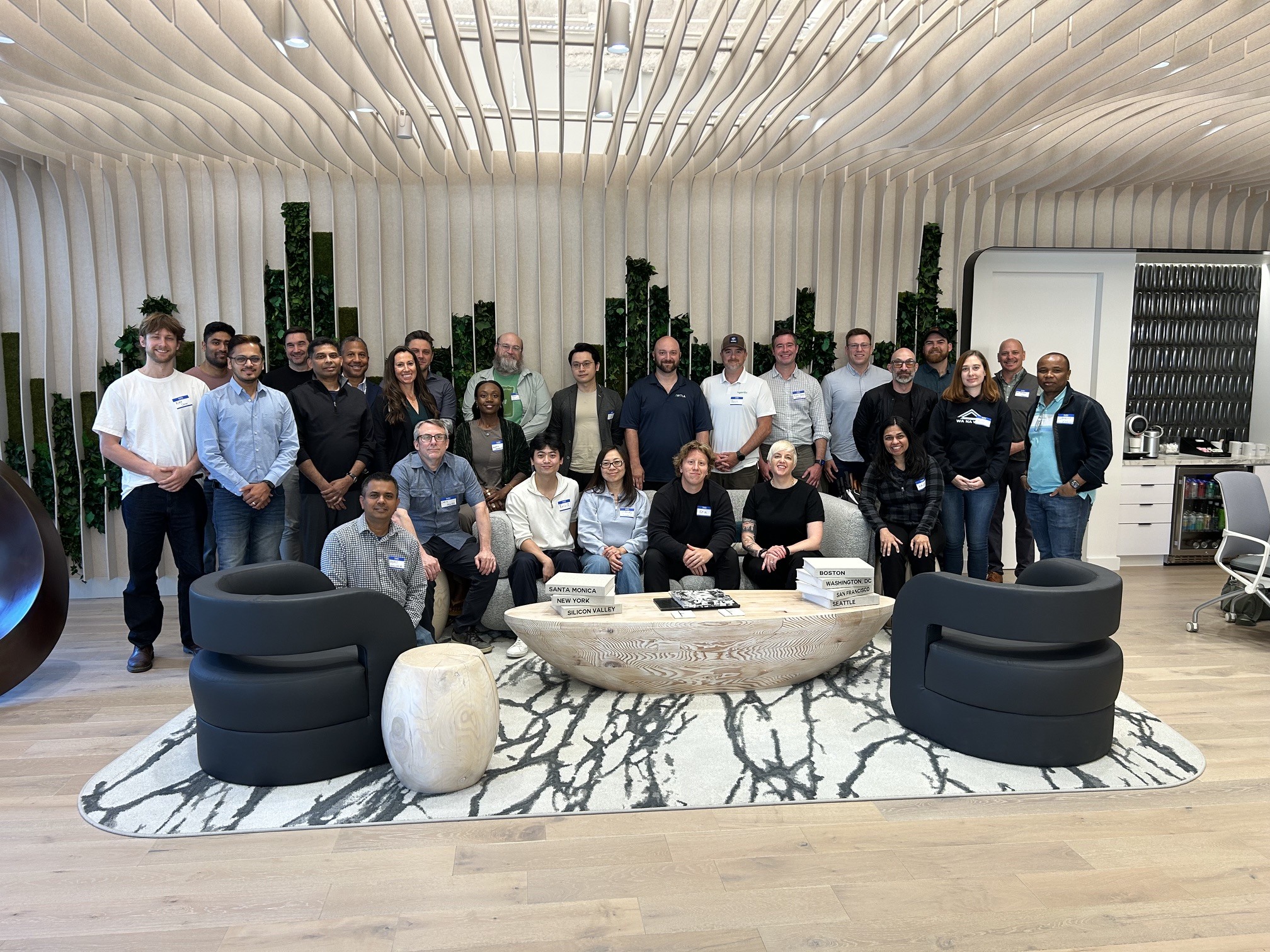
Behind the polished pitches, sleek logos, and revolutionary software of any startup lies a profoundly human story of vulnerability, grit, and quiet courage. The decision to build a company from the ground up is often glamorized in popular culture, yet the daily reality for early-stage founders is one of immense isolation, characterized by sleepless nights, relentless self-doubt, and the overwhelming burden of turning an abstract vision into a tangible reality. It is an endeavor that demands not only brilliant technical skills but an extraordinary emotional resilience to navigate constant uncertainty. Recognizing this fundamental human dimension of entrepreneurship, the Washington Technology Industry Association (WTIA) has stepped forward once again to serve as a vital lifeline for emerging business leaders. By recently announcing the twenty-one promising startups selected for its fourteenth Founder Cohort Accelerator Program, WTIA is doing far more than offering a curriculum; it is creating a sanctuary of solidarity. For these twenty-one teams, the program represents a transformative shift from isolated struggles to a structured, collective voyage where they can share their burdens, validate their experiences, and find the community support necessary to sustain their creative spirits on the arduous road ahead.
This newly assembled cohort of innovators emerges from a regional environment that is uniquely primed to cultivate world-changing ideas. Washington state, and the Seattle metropolitan area in particular, is not merely a geographical location; it is a living, breathing laboratory of human ingenuity and bold experimentation. Nestled between the rugged majesty of the Cascade Mountains and the continuous waters of the Puget Sound, the region has long harbored an industrial culture of thinking at a planetary scale, serving as the birthplace of epoch-defining enterprises like Boeing, Microsoft, and Amazon. This rich historical heritage has established an unparalleled foundation of technical expertise, creative freedom, and a collaborative spirit that permeates the local startup scene. Today, as we stand on the precipice of a new technological epoch, this ecosystem is actively shaping the future of artificial intelligence, advanced cloud infrastructure, data protection, and digital health. By drawing talent from across the state, the WTIA Founder Cohort acts as a magnifying glass for this regional vitality, gathering founders who are not working in isolation, but are deeply rooted in a shared local legacy of pushing boundaries and designing solutions meant to elevate human capability.
At the core of this initiative is a carefully designed four-month accelerator program that functions and heals through the power of structured community rather than just transactional business advice. Far removed from the detached atmosphere of traditional academic lectures or superficial networking mixers, this cohort experience is built around peer-to-peer learning, deep-dive workshops, and genuine relationship-building. During this intensive period, founders are encouraged to lower their guard, moving past the performative optimism often forced upon them by the venture capital ecosystem, to openly discuss their operational bottlenecks, hiring challenges, and personal anxieties with peers who truly understand the stakes. This safe environment is further enriched by access to seasoned mentors and industry veterans who offer hands-on guidance, helping early-stage leaders navigate the transition from passionate builders to capable executives. By demystifying the complex architectures of business scaling, regulatory compliance, and early-stage fundraising, the WTIA program creates a bridge between intimidating gatekeepers and ambitious founders, showing that access to mentorship and shared wisdom can fundamentally rewrite a startup’s trajectory.
The technical fields represented by this fourteenth cohort—including artificial intelligence, cybersecurity, digital health, and enterprise software—illustrate the complex and deeply consequential challenges of our modern era. Developing technology in these spaces requires much more than clean lines of code; it demands profound ethical consideration, deep empathy, and an acute understanding of human vulnerability. For instance, the founders working in healthcare are not merely building database management software, but are designing tools that directly impact patient wellness, clinical efficiency, and medical accessibility. Similarly, those focused on cybersecurity are protecting the digital integrity of individuals, families, and businesses from increasingly sophisticated threats in a highly connected world. Meanwhile, the builders of AI and enterprise software are redefining how we interact with technology at work, aiming to reduce burnout, streamline complex workflows, and unlock human potential rather than replace it. WTIA’s tailored guidance provides these entrepreneurs with the strategic compass and structural scaffolding necessary to balance rapid market expansion with a deep sense of social responsibility, ensuring their innovations serve as forces for good in the communities they touch.
The enduring success of WTIA’s mission is vividly reflected in the remarkable performance history of its accelerator program, which has supported over 350 companies to date. These alumni have collectively gone on to raise more than $500 million in capital, a staggering financial milestone that is a testament to the compounding strength of trust, localized cultivation, and continuous community reinvestment. However, this thriving network of innovation does not exist in a vacuum; it is actively sustained by a dedicated village of prominent corporate sponsors and partners who understand that holding open the door for the next generation of builders is vital for long-term economic resilience. Industry leaders and specialized firms such as Accenture, Clark Nuber, Edward Jones, Fenwick, KBF, Madrona Venture Group, MeeBoss, and Seed IP contribute far more than financial sponsorships. They actively invest their specialized knowledge, legal protection strategies, accounting expertise, and corporate resources back into the ecosystem, ensuring that these 21 early-stage startups have the solid foundation necessary to avoid common pitfalls and scale sustainable businesses.
Ultimately, the launch of this fourteenth cohort highlights a inspiring truth: that technology at its best is a deeply human endeavor, powered by the collective imagination of those who dare to build a better future. Randa Minkarah, the Chief Operating Executive of WTIA, beautifully captured this sentiment by noting how Seattle’s leadership as a top-tier hub for AI and advanced technology is mirrored in the exceptional technical depth and entrepreneurial drive of this diverse group of founders. Her words remind us that behind every statistic, software deployment, or venture capital milestone is a group of passionate individuals working together to solve problems, support one another, and make their homes a better place. As these 21 startups embark on their intensive four-month journey and beyond into the broader marketplace, they carry with them not only their individual ambitions but the hopes of an entire region. Through this dynamic accelerator program, WTIA continues to prove that when we bring innovators together in a spirit of collaboration, mutual respect, and shared purpose, we build a highly resilient culture capable of elevating our shared human experience.