




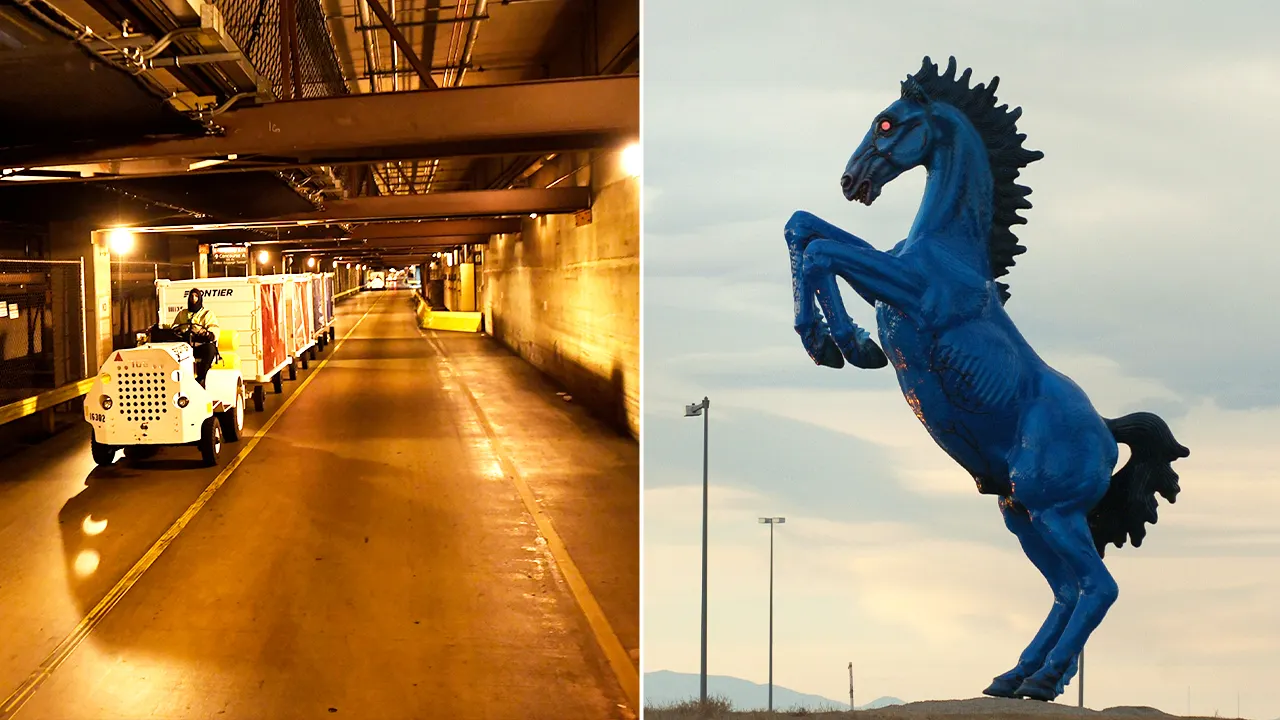
For decades, the human imagination has been captivated by what lies beneath the surface, drawn to the whispered rumors of secret networks, decommissioned military bunkers, and hidden transit paths buried deep underground. Soon, the line between urban mystery and public reality will blur as travelers are granted access to walk through historic, long-shuttered subterranean corridors that have fueled countless conspiracy theories and wild speculations for generations. Descending into these dimly lit, damp passageways is more than just a historical excursion; it is a sensory journey back in time, where the smell of earth and the echo of footsteps evoke the ghosts of eras past. For years, these structures were forbidden territories, protected by heavy locked gates and shrouded in official silence, which only served to heighten their mystique. Now, as these iron gates finally swing open, we are reminded of our innate human drive to uncover the mysterious and explore the unseen. This new access transforms these spaces from cold, forgotten concrete relics into living monuments of human curiosity, allowing everyday adventurers to trace the footsteps of old-world builders and feel the thrill of stepping directly into the pages of a real-life mystery.
As our hunger for exploration drives us deep underground, it also pushes us outward into the great wilderness, though this collective yearning is beginning to strain the very destinations we cherish most. The majestic sanctuary of the great outdoors is experiencing an unprecedented crisis of popularity, with iconic national parks now drawing such massive, unyielding crowds that comparisons to commercialized theme parks like Disneyland have become impossible to ignore. Instead of finding quiet meditation amid towering redwoods or tranquil canyons, modern hikers often find themselves trapped in slow-moving human gridlocks, navigating shuttle queues and paved pathways packed shoulder-to-shoulder with selfie-stick-wielding tourists. This friction of carrying our urban crowding into the wilderness mirrors the growing tensions we experience while traveling to these destinations in the first place, particularly in the skies. Flight attendants, who serve as the weary guardians of our aerial journeys, report that passenger etiquette has hit an all-time low, pointing to one common, frustrating habit—the systematic disregard for personal space and basic cabin courtesy, such as aggressively reclaiming seats or treating flight crews as personal servants—as the ultimate source of modern air-travel anxiety. Whether we are fighting for a pristine view on a mountain trail or arguing over an armrest at thirty thousand feet, our modern travel habits show a culture deeply struggling to find harmony in shared spaces.
This volatile mix of travel-induced stress and confined luxury often boils over into striking public spectacles, revealing the fragile state of human patience when we are uprooted from our comfort zones. The sheer absurdity of modern air-travel friction was recently laid bare when a Hollywood actor’s dramatic, highly publicized in-flight rant went viral, sparking a wave of mixed reactions ranging from collective laughter to intense debates over the death of public decorum. While some viewed the high-altitude meltdown as dark comedy, others saw it as a sad reflection of an escalating sense of traveler entitlement that frequently disrupts the peace of hundreds of captive passengers. This fragility was illustrated even more severely in another recent incident, where one passenger’s erratic behavior and total disregard for safety regulations forced an aircraft to make an emergency, mid-flight diversion, instantly derailing the travel plans, business meetings, and long-awaited family reunions of everyone on board. Yet, just as transit can bring out our most selfish impulses, it also provides the stage for spectacular acts of courage and profound human solidarity. Far below those stressful flight paths, in the unforgiving, storm-tossed waters of the open ocean, the crew of a massive cruise ship put aside their luxury itineraries to brave punishing winds and treacherous swells, successfully rescuing a lone, desperate sailor who was staring down certain death, proving that the ancient, sacred duty of sea-rescue still triumphs over commercial convenience.
While we navigate the dramatic highs and lows of modern travel, our journeys are also enriched by a profound desire to look backward, using modern science as a flashlight to illuminate the darkest corners of human history. Researchers have recently achieved a breathtaking breakthrough in the freezing expanses of the far north, using advanced forensic technology to identify the skeletal remains of lost explorers from a legendary, ill-fated Arctic expedition that vanished into the ice over a century ago. By finally putting names to these long-dead pioneers, scientists have rescued these men from anonymous graves and brought a profound sense of closure to descendants who have spent generations wondering about the final, terrifying moments of their ancestors. In warmer climates, this same human passion for discovery was celebrated by a group of ecstatic metal-detecting enthusiasts who unearthed a massive, pristine hoard of Viking-era silver and gold, a historical jackpot so significant that it is actively rewriting our understanding of early medieval trade routes and wealth distribution. Even our understanding of ancient spirituality and status has been illuminated by the rare discovery of a vibrant purple dye linked to biblical texts and royal households, proving that the physical colors and materials worn by our ancestors carry deep, symbolic weight that still resonates thousands of years later.
Yet, even as we celebrate these triumphant recoveries of the distant past, we find ourselves grappling with the painful, quiet disappearance of our own immediate history as beloved modern landmarks fade away. The bittersweet nature of time’s relentless march is encapsulated in the impending, permanent closure of an iconic family attraction that has stood as a joyful pillar of the community for generations. This beloved destination was far more than a physical structure; it was a memory factory where grandparents once held the hands of infants, introducing them to the same simple pleasures, bright lights, and whimsical sounds that had defined their own youth. The announcement of its corporate farewell has triggered an outpouring of collective grief, as thousands of families share their final, nostalgic photos and recount stories of golden afternoons spent escaping the worries of the world within its gates. The loss of such a place serves as a stinging reminder of the impermanent nature of the landmarks that anchor our personal lives, highlighting how deeply our identities are tied to the communal spaces we gather in and how vulnerable those spaces are to the shifting tides of economic reality.
Ultimately, these diverse stories of subterranean exploration, crowded national parks, cabin-crew frustrations, oceanic rescues, historical breakthroughs, and bittersweet closures are all interconnected chapters in the grand, ongoing story of human transit. We are, by our very nature, a species of seekers, driven by an unquenchable desire to discover what lies around the next bend, whether that means diving deep into the earth, booking a flight to a crowded park, or digging through the dirt to find ancient gold. Though our journeys are often fraught with the anxieties of modern transit, crowded spaces, and the inevitable passage of time, we continue to venture out into the world because we understand that travel is our most powerful tool for connection. From the ancient sailor rescued from a watery grave to the family taking one final, nostalgic walk through a closing amusement park, we are all united by a shared need to feel alive, to remember where we came from, and to find meaning in the great, collective voyage of life.