


Few symbols of contemporary economic disparity are as visceral as the physical juxtaposition of astronomical wealth and sudden middle-class vulnerability. In late May 2026, the waters of Seattle’s scenic Puget Sound became the backdrop for exactly such a spectacle, capturing a stark narrative of corporate contradiction. On the very same day that social media titan Meta formally disclosed plans to lay off nearly 1,400 of its highly skilled employees across Washington state, a gargantuan, $300 million superyacht named Launchpad made its way through the historic Ballard Locks toward Lake Union. Spanning an astonishing 387 feet and belonging to none other than Meta Chief Executive Officer Mark Zuckerberg, this floating monument of hyper-wealth cruised past the city’s waterfront. For onlookers and demoralized workers alike, the vessel served as a glaring, towering reminder of the widening chasm between the ultra-wealthy executives who steer the course of global technology and the everyday human beings who build the digital architectures from which that wealth is derived. Accompanying this behemoth was its $100 million shadow escort vessel, Wingman, which was spotted hovering near Magnolia Bridge and the Elliott Bay Trail—a massive craft designed largely to carry luxury toys and support staff, yet styled so subtly that it managed to blend into the busy cruise terminals. For the residents of Seattle, a city built on the grit of blue-collar labor and the ambition of early software pioneers, the simultaneous arrival of Zuckerberg’s maritime crown jewels and the devastating pink slips represented a jarring transition from a community of shared innovation to one of starkly stratified class division.
Behind the glitz of these maritime playthings lay a deeply sobering human reality for hundreds of Pacific Northwest families. The state filings submitted by Meta revealed a severe reduction of its local workforce, eliminating approximately twenty percent of its specialized personnel across the tech-heavy corridors of Seattle, Bellevue, and Redmond. This quiet dismantling of high-achieving teams was not an isolated incident but rather a localized tremor of a much larger, company-wide seismic wave aimed at shedding some 8,000 corporate roles globally to appease Wall Street demands for tighter margins. In the neighborhoods of King County, where the cost of living remains stubbornly high, the impact of these layoffs is measured not in abstract corporate percentages, but in human stress: interrupted mortgage payments, disrupted childcare plans, and the sudden, terrifying ticking of the clock for foreign workers residing in the United States on precarious work visas. The psychological weight of this “efficiency era” has transformed the bustling cafeterias and collaborative open-plan offices of local campuses into environments of quiet survivalism. Employees who survived the purge now find themselves carrying double the workload, looking over their shoulders in perpetual dread, and grappling with the profound irony of watching their CEO enjoy his maritime exploits while they scramble to update their résumés, apply for severance benefits, and navigate a highly competitive, newly saturated job market.
As earthly tech empires struggled with organizational restructuring, the high-stakes, deeply unpredictable arena of space exploration suffered its own catastrophic reminder of human limitation and engineering volatility. In a violent flash of fire and pressure, a devastating rocket launchpad explosion in Florida dealt a catastrophic blow to Jeff Bezos’ aerospace outfit, Blue Origin. The blast did more than just damage expensive physical infrastructure; it tore a massive hole in the meticulous timelines of both Blue Origin and its parent e-commerce sibling, Amazon, which had planned to use the facility to accelerate the deployment of its highly anticipated Project LEO satellite broadband constellation. Additionally, this catastrophic event put a major, agonizing pause on the delivery schedules of a highly sophisticated lunar lander destined for NASA’s deep-space missions, triggering immediate dread among teams who had spent years working on these projects. Yet, the relentless, stubborn nature of the modern space race means that failure is rarely met with quiet contemplation or retreat. Just weeks after this disaster, and a mere five weeks after a separate New Glenn rocket launch failed to achieve its objectives, Blue Origin and Amazon defiantly announced a renewed partnership, refusing to let the smoking debris of the launchpad stall their dreams of stellar dominance. The rapid-fire scheduling of an upcoming mission to expand Amazon’s orbital constellation highlights the intense, almost manic pressure modern aerospace companies face to keep pace with rivals, often walking a razor-thin line between daring scientific triumphs and devastating infrastructure collapses.
Meanwhile, the broader artificial intelligence revolution is undergoing a critical transition from starry-eyed hype to a cold, hard reckoning over operational realities and balancing accounts. On the ground level, tech executives are waking up to the sobering realization that running large-scale natural language models is an intensely expensive endeavor, with the eye-watering costs of specialized chips and immense electricity demands threatening to derail the profitability of early adopters. Yet, where there is a gold rush, those who sell the shovels inevitably find ways to prosper, as evidenced by the dramatic local expansion of New Jersey-based infrastructure provider CoreWeave. By renting out vital, high-performance GPU infrastructure to developer organizations and research hubs tasked with training complex neural networks, CoreWeave has positioned itself as the underlying plumber of the AI boom, aggressively expanding its engineering presence in the Pacific Northwest with dozens of highly coveted open roles. This stark contrast between companies bleeding capital trying to make consumer-facing AI productive and the infrastructure giants expanding their empires illustrates a volatile new ecosystem. It is an environment where human engineers are both desperately sought after to build the next level of machinery and simultaneously cast aside by traditional software companies looking to trim budgets, revealing a highly volatile, bifurcated labor market that demands constant adaptation from its participants.
This insatiable thirst for computing power and the infrastructure required to feed the artificial intelligence beast is beginning to spark cultural and environmental resistance, forcing tech behemoths to defend their expansion practices to increasingly skeptical local populations. Across the United States, rural and suburban communities are growing intensely vocal in their opposition to the construction of massive data centers, raising deep alarms over the staggering amount of regional electrical grid capacity and vital local water resources these monolithic server warehouses consume. Recognizing the brewing storm of public backlash, Microsoft has taken a highly calculated, proactive PR stance, pointing directly to its long-standing operations in Quincy, Washington as a shining, prime example of how big tech companies can supposedly build deep, enduring relationships of trust with local communities. By investing heavily in water recycling facilities, participating in community infrastructure programs, and attempting to align their operations with local agricultural interests, Microsoft is attempting to construct a comforting blueprint of corporate responsibility. However, for many citizens living adjacent to these humongous, humming structures, the central question remains whether such localized corporate philanthropy is genuinely enough to offset the immense ecological footprint of our digital lifestyles, or if it simply represents a highly polished, necessary public relations shield designed to protect endless technological expansion at the expense of regional natural resources.
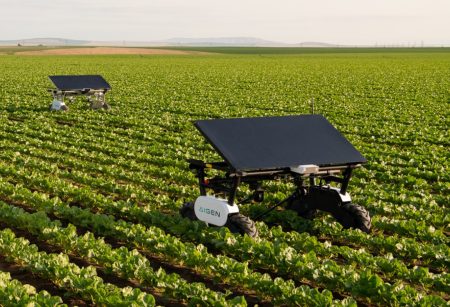
Yet, even amid the corporate downsizing of major platforms and the ecological debates surrounding data infrastructure, the grassroots startup ecosystem continues to demonstrate the beautiful, fragile cycle of human creativity and industrial evolution. In Oregon, a visionary agricultural startup named Canopii is boldly taking on the mounting vulnerabilities of our global food supply system by deploying automated, tennis-court-sized greenhouses that leverage clever robotics to grow an astonishing 40,000 pounds of fresh greens annually. By localizing food production through these efficient, micro-franchised structures, Canopii offers a hopeful, tangible glimpse into how technology can be harnessed to directly serve basic human needs, bypassing fragile supply chains and reducing environmental degradation. Contrast this bright, green hope with the heartbreaking reality of Seattle’s native food-tech darling, Picnic—a pioneering startup that sought to automate the restaurant kitchen with its innovative pizza-assembly robots. In May 2026, the company quietly closed its doors, selling off its assets to a mystery buyer after failing to find a viable path forward in an increasingly risk-averse venture capital market. This quiet transition—where one company rises to redefine farming while another quietly sells off its robotic pizza dreams—perfectly encapsulates the unforgiving, profoundly human reality of the technological frontier: a world defined by the relentless cycle of audacious ambition, agonizing failure, and the undying hope that the next endeavor will change the world for the better.