


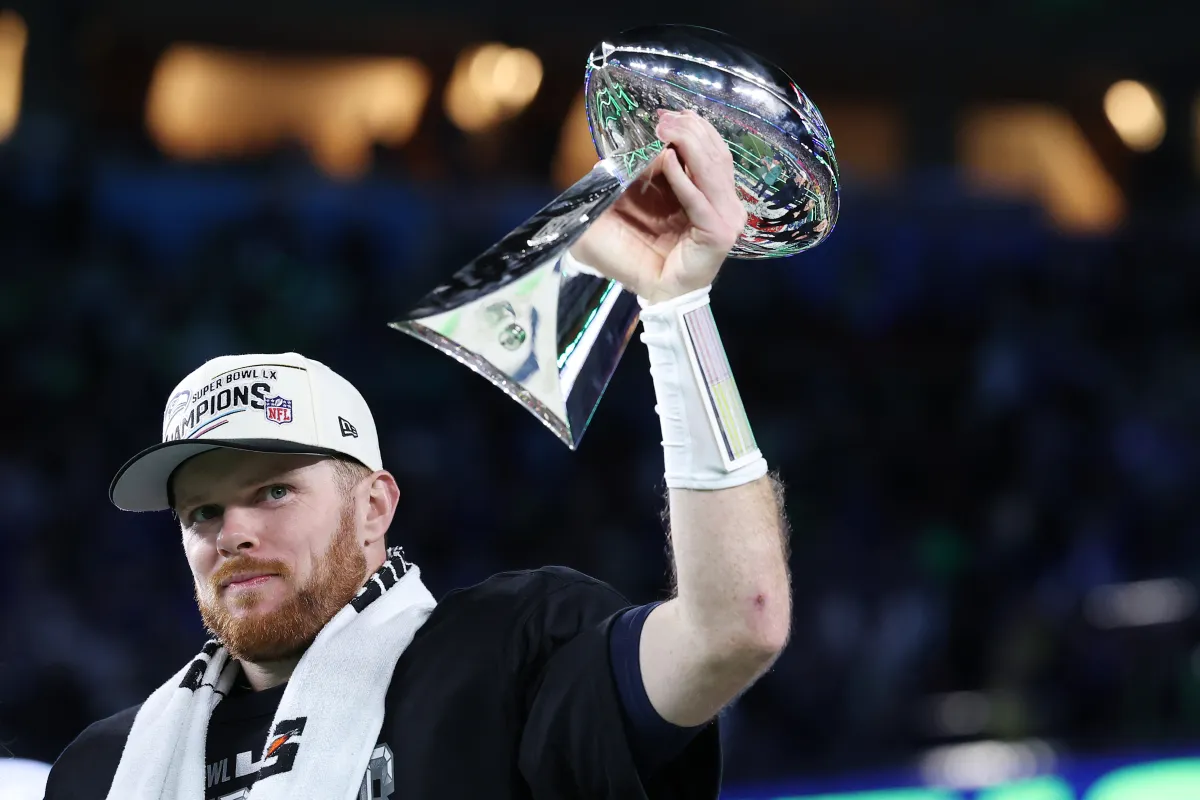
The transition of the calendar from the damp chill of a Pacific Northwest spring to the sun-drenched, blue-sky afternoons on Lake Washington marks a sacred annual ritual for the region’s football faithful. This year, however, the air in Renton carries an entirely different charge as the Seattle Seahawks embark on the monumental task of defending their world championship. The long, grueling journey to protect their crown begins in earnest with voluntary Organized Team Activities (OTAs) scheduled for May 26, May 28-29, June 1, and June 3-4, offering coaching staff their initial glimpse of the roster’s evolving chemistry. Intensity escalates quickly with mandatory minicamp from June 9-11, serving as a critical bridge to the mid-July arrival of training camp, where roster spots are fought for and won in the summer heat. This year’s summer schedule holds an extra layer of national intrigue as Seattle has been selected to kickoff the preseason schedule on the grandest stage of August 6th in the NFL Hall of Fame Game. For the passionate “12s” filling the grassy hills of the Virginia Mason Athletic Center, these dates represent more than just mark-offs on a calendar; they signify the starting blocks of an historic trek where a once-hunter team must master the psychological art of becoming the hunted.
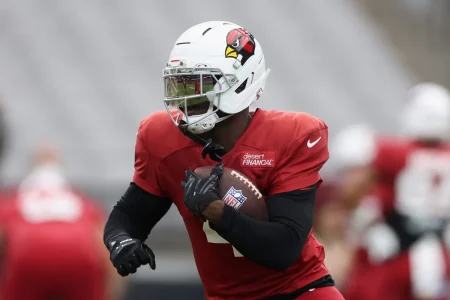
Nothing tests the emotional fortitude of a championship franchise quite like the bitter cold of free agency, a reality that struck the heart of the Pacific Northwest when Super Bowl MVP Kenneth Walker III departed the emerald city to sign a lucrative contract with the powerhouse Kansas City Chiefs. Losing an iconic playmaker of Walker’s caliber leaves an undeniable void, both in the backfield and in the locker room, but the front office acted decisively to ensure the running game would not skip a beat. Seattle dynamicized their offense by selecting highly touted Notre Dame running back Jadarian Price in the first round of the 2026 NFL Draft, a prospect whose rare blend of explosive speed and elusive vision makes him a perfect counterpart to returning bruiser Zach Charbonnet. Last season, Charbonnet established himself as the team’s physical pulse, grinding out 730 rushing yards and scoring two pivotal touchdowns with a punishing, downhill running style that wore down opposing front sevens. Together, Price and Charbonnet project to form a formidable, balanced backfield committee capable of grinding out clock in late December or ripping off game-changing plays on any given Sunday. The unfolding chemistry between these two young backs during these initial summer sessions will go a long way in dictating whether the post-Walker era in Seattle can find its footing or if the shadow of their departed MVP will linger over the offense.
Fortunately, whoever is executing the handoffs will benefit from a remarkably stable and loaded passing offense operated by quarterback Sam Darnold, whose career resurrection from scrutinized draft bust to championship-winning pilot remains one of the league’s most heartwarming narratives. Darnold returns under center with a treasure trove of offensive weapons that would make any quarterback in the league envious, anchored by sophomore sensation Jaxon Smith-Njigba and seasoned future Hall of Famer Cooper Kupp, whose wisdom, route-running precision, and clutch catchability continue to defy father time. To maintain their explosive vertical threat, the front office successfully re-signed deep-threat weapon Rashid Shaheed alongside the reliable Cody White, ensuring the speed element of the offense remains intact to keep defensive coordinators awake at night. The tight end room also received a major physical upgrade, as returning blocker and intermediate security blanket A.J. Barner is joined by athletic veteran signing Harrison Bryant and the newly re-signed Brady Russell. This blend of elite perimeter playmakers, vertical speedsters, and physical tight ends gives the Seahawks a Swiss Army knife versatility, allowing them to morph from heavy, ground-and-pound formations into explosive five-wide empty sets without changing personnel.
While the offense boasts continuity, the defensive side of the ball underwent a sweeping transformation, necessitated by the inevitable financial taxes that accompany hoist-the-Lombardi success. The defense bids farewell to a core group of defensive leaders, including game-wrecking edge defender Boye Mafe, lock-down cornerback Tariq Woolen, and the versatile young safety Coby Bryant—departures that represent a massive loss of speed, turnovers, and emotional fire. Rather than panicking, General Manager John Schneider utilized free agency to execute a gritty, veteran-heavy rebuild, bringing in edge rusher Dante Fowler Jr. to inject seasoned pass-rushing intellect and cornerbacks Noah Igbinoghene and Josh Jobe to battle for starting boundary positions. Igbinoghene, a former first-round pick looking to revitalize his career, and the re-signed Jobe bring an aggressive, press-man physical identity that fits perfectly into Seattle’s defensive heritage. In the backend, the addition of hard-hitting safeties D’Anthony Bell and Rodney Thomas, alongside defensive tackle Brandon Pili and linebacker Chazz Surratt, provides the team with defensive depth and special teams value, establishing a highly competitive, blue-collar defensive environment where every yard in practice is earned through blood, sweat, and tears.
To complement this veteran influx, Seattle’s front office focused their 2026 draft class entirely on reloading the defensive secondary and injection of young, cheap labor into the trenches to sustain their championship window. Second-round safety Bud Clark and third-round cornerback Julian Neal represent the crown jewels of this rookie class, possessing the exact combination of length, interception instinct, and aggressive run support that evokes memories of the legendary defenses of Seattle’s past. Walking into a championship-caliber locker room serves as an immediate trial-by-fire for these rookies, who will also be pushed on the offensive side of the ball by fifth-round guard Beau Stephens, a physical specimen brought in to compete for snaps behind veteran offensive tackle Josh Jones. The latter portion of the draft brought in late-round developmental grinders, including wide receiver Emmanuel Henderson Jr. in the sixth, followed by seventh-round selections Andre Fuller at cornerback, Deven Eastern at defensive tackle, and Michael Dansby at cornerback. This infusion of hungry, young athletes creates a healthy, anxious tension inside the locker room, forcing established veterans to stay on top of their game while teaching the rookies what it truly means to represent a championship organization.
Yet, as the Seahawks look to write their next chapter, they do so knowing that the landscape surrounding them has gotten infinitely more dangerous, particularly within the unforgiving gauntlet of the NFC West. Divisional rivals like Kyle Shanahan’s San Francisco 49ers and Sean McVay’s Los Angeles Rams—both of whom pushed Seattle to the brink last season—have spent the entire offseason retooling their rosters with the explicit purpose of dethroning the champions. Analysts projecting the upcoming season believe that a 12-win plateau is realistic for this Seahawks roster, but translating regular-season dominance into a back-to-back championship run—something accomplished only nine times in NFL history—presents an entirely different psychological struggle. The target painted on their classic navy and neon-green jerseys is larger than ever before, and opponents will bring Super Bowl-level intensity to even the most mundane regular-season matchups. Success in 2026 will not be defined by the talent on the paper, but by Seattle’s ability to block out the noise, embrace the grind of the dog days of training camp, and prove that their championship heart still beats the loudest.