


In the vast, wind-swept steppes of Central Asia, a profound paradox has long defined the nation of Kazakhstan. Known globally as the world’s leading producer of raw uranium, the country has spent the last two decades struggling to keep its own lights on, relying heavily on a rapidly decaying, coal-reliant power grid left behind by the Soviet Union. For the citizens of this massive land, energy is not an abstract economic metric but a daily reality of seasonal blackouts, freezing winters, and heavy, soot-choked air. Yet, whenever the prospect of nuclear power has been raised to solve these chronic energy deficits, it has conjured up deep, painful ghosts of a tragic past. Between 1949 and 1989, the Soviet military conducted nearly 450 devastating nuclear weapons tests at the Semipalatinsk site in northeastern Kazakhstan, leaving behind a grim legacy of poisoned soil, severe public health crises, congenital birth defects, and generational cancers. This agonizing history was further compounded by the aftermath of the 1986 Chernobyl disaster, which saw tens of thousands of Kazakh liquidators fall gravely ill after being thrust into the radioactive ruins of Ukraine. It is against this backdrop of deep-seated ancestral trauma and urgent modern necessity that Kazakhstan is now stepping onto the threshold of a controversial new atomic era, attempting to heal its energy crisis with the very technology that once scarred its lands.
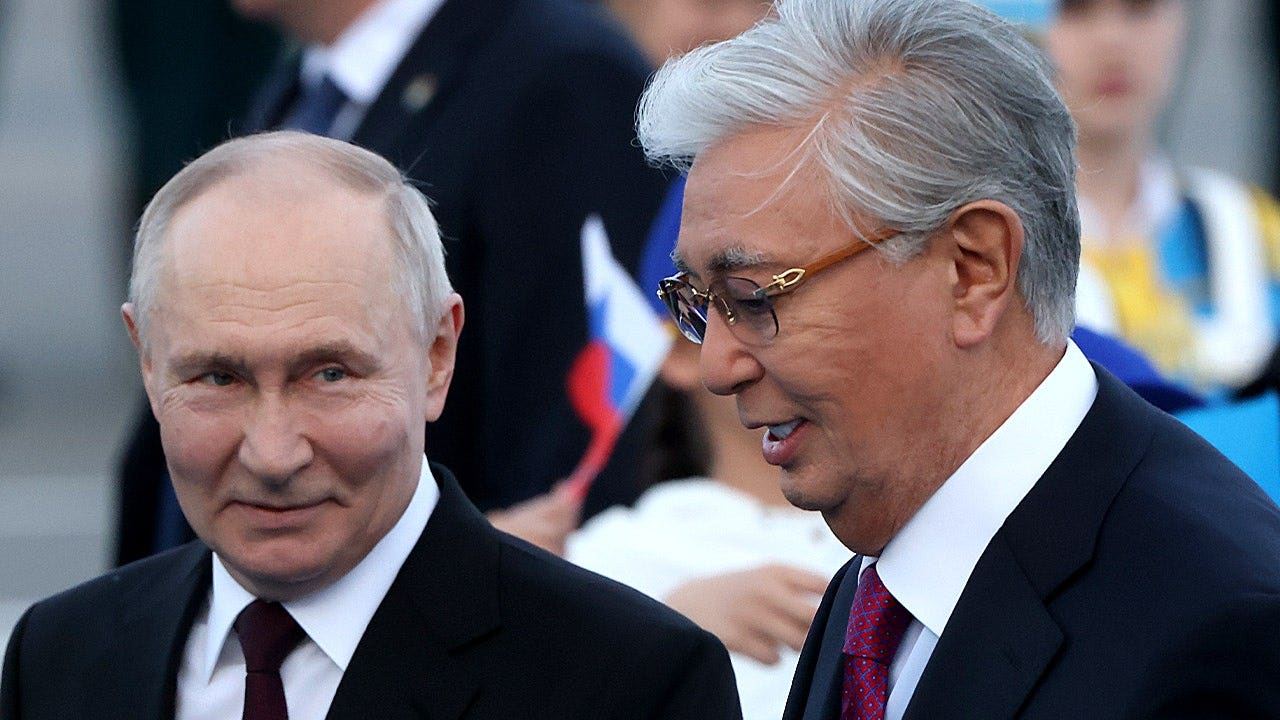
This delicate domestic balance shifted decisively on Thursday in the capital city of Astana, where a geopolitical masterstroke was delivered during high-level bilateral discussions between Kazakh President Kassym-Jomart Tokayev and Russian President Vladimir Putin. In a landmark victory for the Kremlin, the two leaders officially signed a monumental $16.5 billion agreement to construct Kazakhstan’s first-ever commercial nuclear power plant. This massive enterprise represents a towering economic and strategic triumph for Moscow, effectively anchoring its geopolitical influence in the former Soviet republic at a time when the West has sought to isolate Russia through aggressive sanctions and diplomatic boycotts. The financial terms of the arrangement are exceptionally generous, with Russia providing an export loan to cover a staggering 85% of the total construction costs. By securing the primary mandate for the project, Russia’s state-owned atomic giant, Rosatom, successfully outmaneuvered formidable international competitors—including China National Nuclear Corporation, France’s EDF, and South Korea’s Korea Hydro & Nuclear Power—reaffirming Russia’s dominant position as the premier exporter of nuclear technology to developing economies on the global stage.
The physical heart of this grand energy vision will beat near the quiet, sun-baked fishing village of Ulken, nestled along the picturesque shores of Lake Balkhash in southeastern Kazakhstan. Here in the steppe, engineers and construction crews will break ground in 2027 on a cutting-edge facility designed to house two advanced VVER-1200 Generation III+ reactors, which are scheduled to become fully operational by the early months of 2034. Mindful of the intense public anxiety surrounding nuclear technology, planners have painstakingly earmarked $2 billion of the overall budget specifically for state-of-the-art security installations and sturdy foundational infrastructure designed to withstand environmental anomalies. The road to this development was paved by a national referendum in 2024, in which Kazakh citizens, recognizing the desperate need for electricity to power their households and fuel economic growth, ultimately cast their ballots in favor of the Balkhash site. Yet, the choice was far from easy, and the physical transformation of Lake Balkhash’s serene landscape will serve as a continuous visual reminder of the thin line the nation is walking between regional environmental preservation and massive industrial development.
For President Tokayev and his administration, the impending construction of the Balkhash Nuclear Power Plant is being championed as a vital, stabilizing pillar that will secure the country’s economic sovereignty and ensure a dependable, long-term supply of electricity. Decades of dependency on outdated, coal-burning infrastructure have not only stunted local industrial progress but have also severely impacted the quality of life for ordinary families who must endure frequent power shortages. Tokayev emphasized the historic importance of the agreement during the high-profile signing ceremony, heralding the project as a critical turning point for the nation’s energy grid. Rather than merely purchasing a turnkey facility from their northern neighbor, Kazakhstan is looking to build a sustainable, self-sufficient ecosystem. Vladimir Putin echoed this sentiment, framing the massive joint venture as a flagship project in the field of peaceful nuclear energy that goes far beyond steel, concrete, and physical construction. Both leaders stressed that the ultimate goal is the birth of an entire domestic nuclear industry, which will include extensive educational programs, the creation of highly specialized academic departments, and the rigorous training of local Kazakh scientists and engineers.
Despite these glowing promises of progress and prosperity, the project continues to stir a complex mix of hope and apprehension among local communities who are still nursing the wounds of the 20th century. To humanize this transition is to understand that the elderly villagers living along the Kazakh steppe still remember the sudden shakes of the earth and the ominous mushroom clouds that rose from the Semipalatinsk test site during the Cold War. For these families, the word “nuclear” is synonymous with state secrecy, environmental betrayal, and the loss of loved ones to mysterious illnesses. The environmentalists and local residents around Lake Balkhash have also voiced deep concerns regarding the potential ecological impact of a massive nuclear facility on the lake’s delicate freshwater biosphere, worrying about water temperature fluctuations and the devastating consequences of a potential leak. Governments can sign treaties and state corporations can draft blueprints, but the real challenge for Kazakhstan’s leadership lies in bridging this profound emotional divide. Winning the trust of a historically traumatized population requires unprecedented transparency, absolute safety guarantees, and a continuous demonstration that this new era of atomic power is genuinely dedicated to peaceful, public good rather than geopolitical posturing.
Ultimately, the signing of the nuclear pact signifies a deepening, multifaceted relationship between Astana and Moscow that extends far beyond the bounds of atomic energy. Alongside the nuclear agreement, the bilateral talks yielded other significant pacts aimed at insulating both nations from external global economic shocks, including a crucial currency swap agreement. Signed directly by Bank of Russia Governor Elvira Nabiullina and National Bank of Kazakhstan Governor Timur Suleimenov, this ruble-tenge swap arrangement is designed to facilitate smoother bilateral trade and reduce reliance on Western financial systems. As Russia continues to seek robust trade corridors and economic partners in Asia, Kazakhstan occupies a pivotal position on the geopolitical map. By tying its energetic future to a Russian-financed and Russian-built nuclear system, Kazakhstan is making a long-term strategic bet, hoping that this monumental investment will finally provide the clean, dependable power its people deserve. Only time will tell if this ambitious project can successfully reconcile the nation’s painful historical legacy with its bright, electricity-powered future, turning a symbol of past devastation into the very engine that drives its modern renaissance.