


The waters surrounding the United Arab Emirates’ primary oil hub of Fujairah have recently become the stage for a silent, digital conflict that highlights the extreme fragility of global commerce. In a sudden and alarming development, maritime tracking signals completely collapsed near this vital Persian Gulf port, plunging one of the world’s busiest shipping lanes into digital darkness. This massive blackout of the Automatic Identification System (AIS)—the crucial global network that allows vessels to broadcast their positions to avoid collisions and let the world monitor energy flows—was first identified by the maritime artificial intelligence firm Windward AI. Rather than a simple technological glitch, the sudden silencing of these vital signals suggests a highly coordinated campaign of electronic warfare, deliberate signal jamming, and cyber interference occurring on a massive scale. This eerie high-tech disruption unfolded at a highly sensitive moment, occurring just hours before former U.S. President Donald Trump announced that significant progress had been made toward a bilateral peace agreement with Iran. The stark contrast between the optimistic diplomacy being broadcast from Washington and the chilling digital blackout on the waters of the Gulf of Oman perfectly illustrates the complex, dual-track nature of modern conflict, where smooth political talk is frequently accompanied by invisible, hostile gray-zone operations designed to project raw power in the shadows.
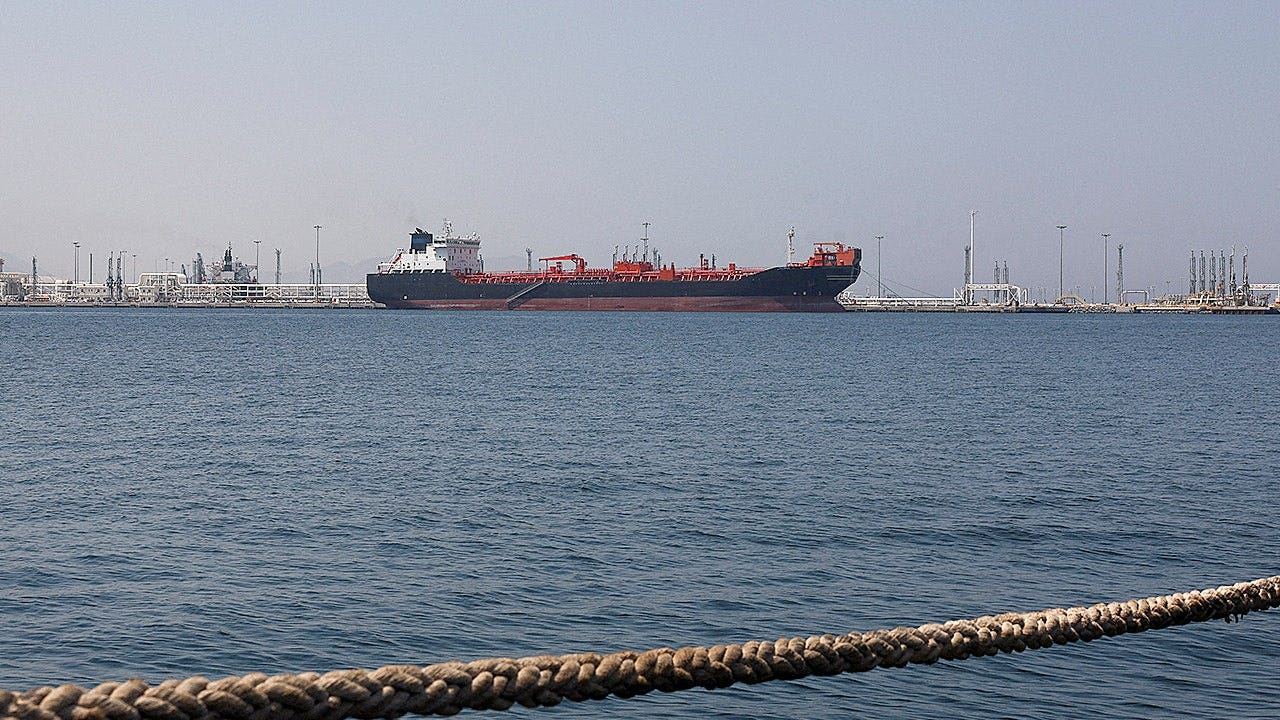
As the digital screens of maritime tracking stations went dark, the physical reality on the water remained fraught with tension, revealing a maritime community operating under immense stress. While merchant vessels did not entirely abandon the strategic hub, their behavior shifted dramatically; shipping companies began ordering their crews to load far less cargo, and a significant number of ships went completely “dark” by voluntarily disabling their tracking systems to evade detection. Out of this tense environment, a single, massive glimmer of physical activity emerged on May 24, when a Very Large Crude Carrier (VLCC) successfully loaded 1.35 million barrels of crude oil destined for South Korea. While Windward AI noted that this single cargo transfer did not represent a true return to normal, it served as the first tangible sign of oil flowing out of Fujairah since the peace announcements. However, this historic loading operation occurred within what experts describe as a highly militarized “ceasefire posture,” with a virtual blockade footprint rapidly taking shape across the region. This delicate economic movement stood in sharp contrast to President Trump’s sweeping claims that a peace memorandum of understanding was “largely negotiated” to end an 84-day war, assertions he punctuated on social media by posting a highly polarizing, AI-generated image depicting exploding Iranian revolutionary fast boats in the strait.
Iran’s response to these diplomatic overtures and military threats was immediate, sharp, and highly bureaucratic, signaling that any potential peace agreement would not mean a retreat from its territorial ambitions. Dismissing any claims of shared international oversight, Tehran made it clear that it has no intention of loosening its physical or administrative grip on the world’s most critical maritime choke point. Ibrahim Al-Fiqar, an official military spokesperson for Iran, publicly declared that the Strait of Hormuz would remain under the absolute, exclusive administration and sovereign control of the Islamic Republic, regardless of any future bilateral or multilateral agreements. This firm stance is backed by the concrete operations of the newly established Persian Gulf Strait Authority (PGSA), which officially launched on May 20. Administered under the direct oversight of the Islamic Revolutionary Guard Corps (IRGC) Navy, the PGSA represents a fundamental rewrite of maritime transit rules in the region. By demanding that passing merchant vessels submit extensive dossiers detailing their cargo, crew manifests, insurance policies, and routing information—alongside mandatory trans-shipment payments—the PGSA has successfully transformed a globally recognized free-transit corridor into a highly regulated, toll-paying zone controlled entirely by a revolutionary military force.
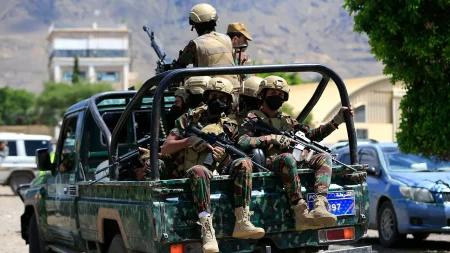
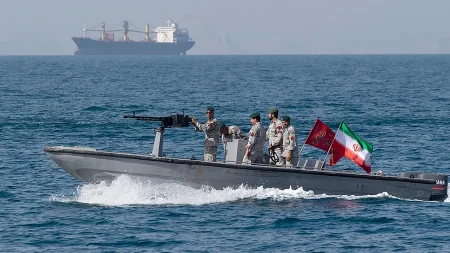
To enforce this controversial new authority, the IRGC Navy is employing a highly sophisticated asymmetric playbook designed to project maximum intimidation while avoiding a direct, conventional military clash with Western naval forces. Regional defense analysts, including Alex Vatanka of the Middle East Institute, point out that Iran’s territorial assertions have quietly crept beyond its recognized borders, extending deep into maritime zones traditionally managed by Oman and the United Arab Emirates. Instead of deploying a traditional fleet of large warships, the IRGC utilizes a nimbler, highly elusive network of fast-attack boats, surveillance drones, coastal missile batteries, and advanced radar tracking systems to monitor and harass shipping. Rather than maintaining a constant, heavy-handed physical blockade that could trigger an international military response, the IRGC uses selective, highly targeted intimidation to keep shipping companies off balance. The strategic goal of this psychological campaign is long-term normalization; by steadily increasing the hassle and risk of non-compliance, Tehran fears no meaningful collective resistance and hopes to force Arab Gulf states and major Asian energy importers to gradually accept Iranian administrative oversight of the Strait of Hormuz as a permanent, unchangeable geopolitical reality.
This administrative and military pressure has effectively transformed the Strait of Hormuz from a simple geographical choke point into a highly lucrative and powerful economic leverage tool. While international diplomats focus their energy on negotiating complex nuclear enrichment limits and monitoring a fragile 60-day ceasefire, the PGSA has quickly evolved into a highly effective, state-sanctioned wartime extortion mechanism. Shipping companies and their captains are forced to navigate a stressful, high-stakes bureaucratic labyrinth, with numerous industry reports pointing to quiet “facilitation payments” being made to secure safe passage through the strait. The system is designed to reward compliance while punishing those who resist; friendly nations are granted swift, preferential passage, while others face a highly volatile and unpredictable environment. Because the penalties for failing to comply with the PGSA’s demands are kept deliberately vague, sea captains operate in a state of constant anxiety, knowing that non-compliance could instantly trigger aggressive drone surveillance, boarding operations by armed IRGC commandos, prolonged administrative delays, or a complete denial of transit. This psychological warfare places an immense burden on merchant sailors, who find themselves acting as unwilling human pawns in a volatile geopolitical game of chess.
Ultimately, the dramatic events unfolding around the port of Fujairah—from the sudden electronic blackouts to the highly regulated cargo transfers under the shadow of the PGSA—lay bare a deeply fractured global order. We are entering a dangerous new era of maritime gray-zone conflict where the traditional laws of the sea are being actively dismantled and rewritten by regional actors using cyber warfare, asymmetric threats, and bureaucratic overreach. While global leaders in distant capitals express hope for historic peace treaties and normalized diplomatic relations, the reality for the mariners navigating these waters remains incredibly volatile, dangerous, and unpredictable. Global energy markets must now permanently calculate the high financial and human costs of operating under the watchful eye of the IRGC, adapting to an environment where the freedom of navigation is no longer a guaranteed international right but a privilege that must be purchased or negotiated. Until a truly comprehensive, universally respected, and enforceable agreement is reached that addresses both the physical security and digital integrity of these shipping lanes, merchant vessels will continue to slip quietly through the dark waters of the Persian Gulf with their transponders turned off, navigating not just physical waves, but the treacherous and highly unpredictable currents of global geopolitics.