


On any given evening, the air at the edge of the local youth baseball diamonds is thick with the scent of kicked-up red clay, hot concession stand popcorn, and the collective, anxious energy of gathered parents. For a mother managing a nine-year-old son who plays on three separate baseball teams, this sporting life is a logistical hurricane of colorful uniforms, distinct drop-off locations, varying bat regulations, and the perpetual cycle of sorting, washing, folding, and packing. There are coolers overflowing with ice and juice boxes to prepare, heavy canvas chairs that pinch fingers to lug from the trunk, and a backpack stuffed with sketchpads and markers to keep his six-year-old sister and her self-proclaimed “girl gang” of younger siblings entertained through long, multi-inning doubleheaders. When her son stands on the mound, his small face focused through the metal cage of his helmet, her heart beats in a frantic rhythm of pride and nerves, prompting loud, encouraging shouts of “You got this, take a deep breath!” through the chain-link fence. If he strikes out, she feels an overwhelming urge to reach through that metal barrier and wrap him in a comforting embrace, but when the bat connects, or when he successfully steals home plate and wins a championship, she is flooded with a pure, electric joy—the very same joy her own biological father must have felt watching her play softball decades ago. Yet, underneath the cheers, a persistent shadow hangs over the celebratory atmosphere, manifesting as a noticeable vacancy where a grandfather should be standing, ready to capture a photograph or chase down a stray foul ball. Even after twenty-one years of complete physical separation, she still catches herself scanning the crowd of grandfathers and fathers lined up along the outfield fence, momentarily fooled by a sensory trick of the mind into believing she might see her father standing there, blending seamlessly into the suburban landscape of supportive families, only to be reminded of the reality of his permanent absence.
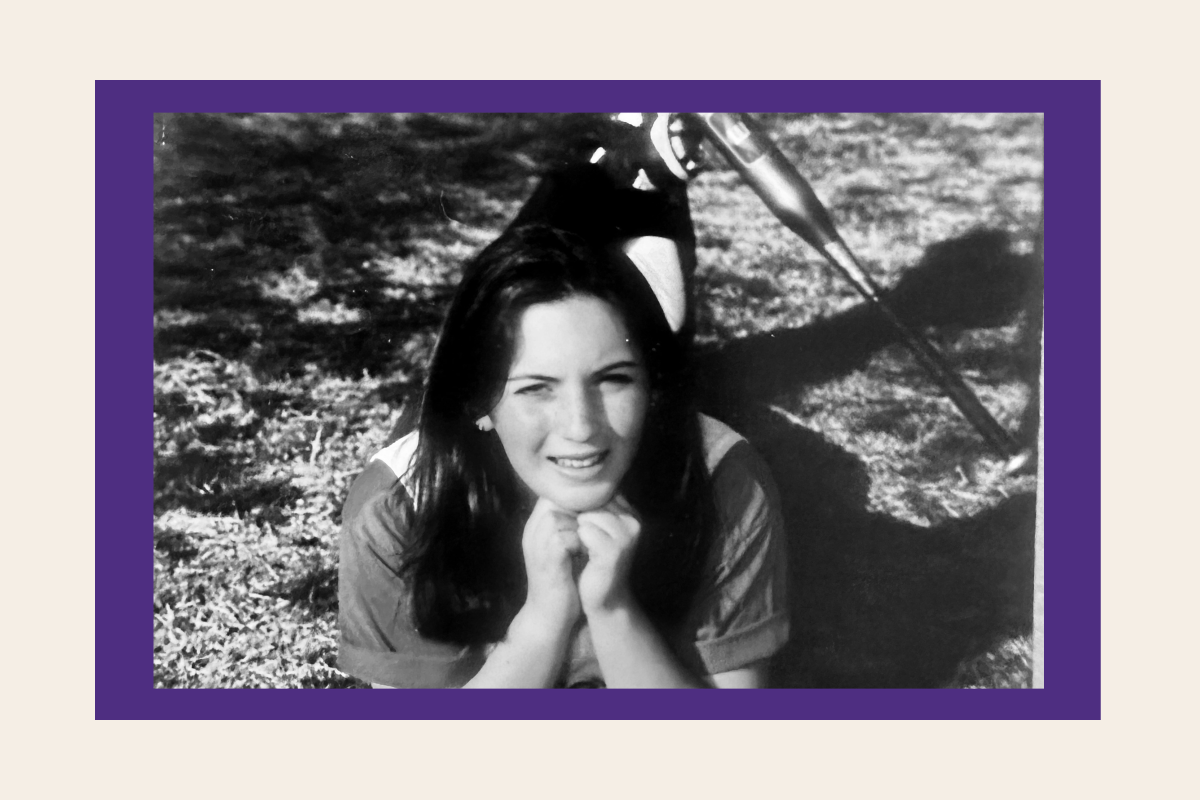
To understand this deep-seated yearning is to look back at a childhood where baseball was not just a sport, but the primary language of love and connection between a devoted father and his daughter. Throughout her upbringing in California, her father was an omnipresent fixture at every single tryout and game, his car trailing loyally behind the dusty yellow team buses for hours on end to ensure he never missed a single play. He was the man who celebrated victories with a brilliant, proud smile, who once stood beyond the dugout holding a fresh rose because a critical game happened to fall on her birthday, and who gently guided her through the messy social politics of competitive travel sports. When her performance faltered and a loss left her devastated, he would patiently offer to hit pop-flies and grounders in the backyard until the sun dipped below the horizon, using the predictable patterns of the game to rebuild her shattered teenage confidence. This beautiful, athletic bond seemed entirely indestructible until her parents’ eighteen-year marriage abruptly collapsed when she was nineteen, causing both of them to flee the familiar shores of the West Coast in search of separate, fresh starts in different eastern states. The seismic shift of this divorce shattered her family dynamic, but the final, devastating blow arrived eight months later on Valentine’s Day, disguised as a brief, cold email from her father that read: “Have a nice life. I love you, but I won’t ever see you again.” The baffling, painful pivot from a doting, front-row father to an estranged stranger took a terrifying turn over the following years, as occasional holiday messages from him morphed into toxic, abusive tire-slips of hostility, culminating in a morning when her phone buzzed with a direct threat to “sleep with one eye open,” leaving her with no choice but to stand in a courtroom to file a formal protection from abuse order.
As her own children grow, she finds herself navigating the silent, lonely territory of parental estrangement, searching desperately for a map that simply does not exist in the conventional landscape of family advice. There are no parenting guides on library shelves or digital forums titled How to Tell Your Kids About Your Estranged Father, leaving her to wander through a dark forest of unresolved trauma while carrying the statistical weight of being among the twenty-nine percent of Americans who are currently estranged from an immediate family member. She often wonders if her children can sense this invisible, generational phantom in their daily lives—if their sudden, explosive tantrums for her undivided attention are subconscious reflections of her own internal distraction, or if they notice her sharp, labored inhales on holidays when past memories collide with present realities. In the quiet hours of sleepless nights, after scolding them for lightheartedly licking waffle syrup off their plates, she wrestles with the guilt of her own emotional exhaustion, wondering if they can read the profound sadness hidden behind her maternal efficiency. Society relentlessly romanticizes the unconditional nature of biological family bonds, making the reality of a parental cutoff feel deeply isolating, confusing, and filled with winding paths toward a healing that never seems entirely complete. The lack of standard sociological templates or widespread therapeutic resources for navigating these complex family rifts only exacerbates her feelings of isolation, forcing her to carry the heavy burden of her father’s absence entirely on her own, without a script to guide her through the delicate process of raising a family in the wake of foundational betrayal.
The evidence of her father’s past life is entirely absent from the framed photographs that adorn the family fireplace, yet his ghost remains quietly preserved in small, hidden sanctuaries where only she knows to look. In the dark corners of the backyard shed rests an old, dusty bucket of childhood baseballs, and tucked away in a closet is her worn-out high school softball glove, her maiden name scrawled across the leather in her father’s distinct, neat Sharpie penmanship—a physical artifact of a bond that once felt eternal. She anticipates the profound confusion her son will face when he is finally introduced to these objects, especially because the only grandfather he has ever known is “PopPop,” the stable, loving man her mother remarried over a decade ago. PopPop is the very archetype of what a grandfather should be: a gentle, towering giant who delights in spoiling the grandchildren, who celebrates their smallest achievements, and whose face lights up with genuine, uncomplicated happiness whenever they are around. Because of PopPop’s beautiful, constant presence, she has spent countless hours writing and rewriting an internal screenplay of the day she will finally sit her children down to explain the truth of their lineage. In her mind, she rehearses the vulnerable words, imagining herself explaining that while PopPop is an incredibly wonderful stepfather, he is not her biological father, and that she once had a dad who taught her how to break in a glove, use garage tools, and master school projects, until his struggles with anger and mental health built a wall of separation that would likely keep them apart forever.
This meticulously rehearsed script is designed to protect her children, yet she constantly wavers on when to deliver it, deeply fearful of the vulnerable emotional terrain it will inevitably open up between them. She knows she has raised deeply empathetic, compassionate children who will transition from offering her warm, consoling hugs to asking a barrage of innocent, heartbreaking questions about this mysterious figure: “Will you ever talk to him again?” “What baseball team does he root for?” “Where does he live?” She promises herself she will answer these inquiries with complete honesty, yet she continues to delay the conversation, wondering if the dull, persistent ache she carries in her chest will naturally diminish with the passage of time. She worries that by building an invisible fortress of silence to shield them from her past trauma, she might actually be hiding her own lingering vulnerability, keeping herself safe from Carlsbad memories and the painful admission of parental rejection. There is a terrifying maternal fear that her children, in their innocent desire to mend what is broken, might believe they could have salvaged this shattered relationship if they had only sent him their dance recital photographs or home-run baseballs. The complexity of managing these emotional variables often leaves her paralyzed, overthinking the potential fallout of a conversation that brings her own unhealed childhood wounds directly into the sunny, uncomplicated world her children currently inhabit.
Ultimately, the chaotic, grounding reality of everyday parenting has a beautiful way of cutting through her deep-seated anxieties and quiet apprehensions. As she stands at the sink at the end of a long, exhausting game day, shaking the heavy red clay dust out of her son’s dirty cleats, she realizes that the answers she has been searching for are already present in the messy, joyful life she has built for her family. When her children look around, they do not see a gaping hole or an empty seat because their world is already overflowing with genuine love, consistent support, and the present, active care of PopPop, Nana, and a wider network of family who celebrate every single one of their daily wins and losses. Her children do not suffer from the absence of a biological grandfather because, for them, the space was never left empty; it has been beautifully filled by those who chose to stay. While she continues to navigate her own complicated path toward healing—currently channeling her experiences into a deeply personal memoir aimed at helping other families navigate the isolated terrain of parental estrangement—she finds peace in knowing her children have everything they need to thrive. She may still be figuring out how to make herself entirely whole in the permanent absence of the man who first taught her how to catch a ball, but as she watches her children play, secure in their happiness, she realizes that the cycle of sports, love, and family has successfully begun anew, unburdened by the ghosts of the past.