


The Birth of a Reality Phenomenon in Sunny Laguna
Picture this: It’s the early 2000s, and television is craving something more raw, more unscripted, more real than the polished drama of primetime soaps. Fox had just struck gold with “The O.C.,” a glossy teen drama that idealized the glitzy, complicated lives of Southern California’s elite youth. But behind that escapism lay a genuine place called Orange County, where real kids navigated the peaks and valleys of adolescence. Enter MTV, ever the counterpoint to mainstream fantasy, deciding to flip the script. In 2004, they launched “Laguna Beach: The Real Orange County,” a docuseries that promised a window into the authentic highs and lows of privileged high school life. The show wasn’t born from some boardroom brainstorm; it sprang from a cultural moment when audiences were hungry for the unfiltered truth. I remember watching it back then, my own teenage years coinciding with theirs, feeling a weird kinship with these kids who seemed to have it all yet wrestled with the same insecurities I did—self-doubt, first loves, and the pressure to fit into a world that valued image over substance.
What made “Laguna Beach” so compelling was its grounding in everyday drama. Originally pitched as a high school-centric series, it aimed to capture the cliques, rivalries, and romances inside an actual Laguna Beach high school. But bureaucracy stepped in; filming on school grounds was vetoed, forcing producers to pivot. The focus shifted dramatically to the cast’s home lives—their beachfront mansions, family dinners, and late-night confessions to the camera. It felt intimate, like eavesdropping on friends’ secrets. The show’s creator, Adam DiVello, who had helmed “The O.C.,” infused it with a subtle narrative structure, turning diary-cam footage into a cohesive story. Yet, it was the human element that hooked viewers: these weren’t actors reciting lines; they were real teenagers fumbling through mistakes, laughing hysterically one moment and tearing up the next. You could almost smell the ocean breeze through the screen, feel the awkwardness of their first parties. And let’s be honest, it was aspirational—we all wanted a slice of that California dream, sun-kissed and drama-laced, even if it came with emotional baggage.
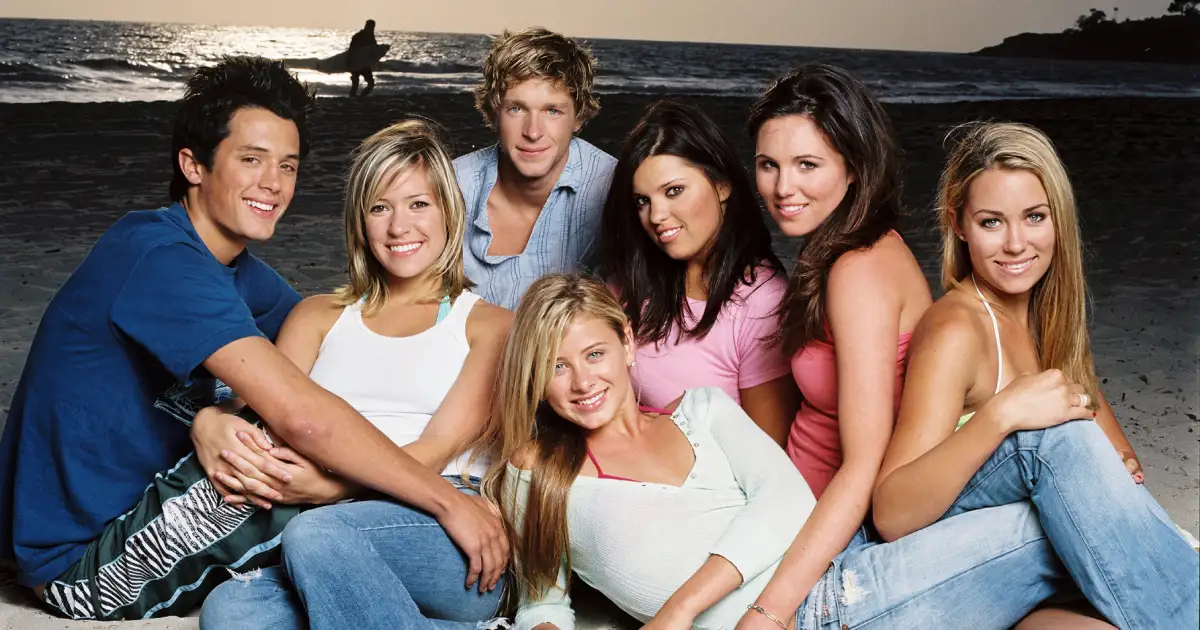
The cast became instant icons, their personalities as vibrant as the Pacific coast they called home. Leading the charge was Stephen Colletti, the charismatic surfer-dude type who embodied the laid-back Laguna vibe. Then there was Lauren Conrad, whose earnest vulnerability made her the emotional core of the show. Kristin Cavallari brought a sharp edge, unapologetic and fiercely loyal, while Lo Bosworth added comic relief with her bubbly charm and knack for turning mishaps into gold. Other faces like Trey Philips, Jessica Smith, and Christina Schuller rounded out the ensemble, each bringing their own flavor of teenage angst. I distinctly remember feeling a pang of nostalgia watching them; they reminded me of my own group of friends, all bravado and hidden fears. The show’s success lay in its relatability—it wasn’t just about mansions and convertibles; it was about the universal struggle of growing up. Colletti’s easy confidence masked occasional loneliness, while Conrad’s sweet demeanor hid a storm of self-discovery. It humanized wealth, showing that even in paradise, people grapple with identity, jealousy, and the quest for belonging. MTV’s gamble paid off; the series premiered to ratings that made it MTV’s highest-rated show in three years, spawning catchphrases and a devoted fanbase that still conjures misty-eyed memories today.
Entangling Hearts: The Love Triangle That Defined the Show
At the heart of “Laguna Beach” was a romance that felt ripped from the pages of a forbidden novel, only it was unfolding in real time amid sandy beaches and suburban cul-de-sacs. Lauren Conrad found herself in a classic love triangle, torn between the brooding allure of Stephen Colletti and the bold charisma of Kristin Cavallari. As the narrator for the first season, Conrad’s voice guided viewers through the convoluted mess—heartbreak, betrayal, and those agonizing moments of uncertainty that define young love. I was glued to my screen, rooting for her innocence amidst the chaos. Colletti, with his athletic build and surfboard always nearby, represented the safe choice, the boy-next-door who promised stability. Cavallari, however, was the wildcard, her fearless attitude clashing spectacularly with Conrad’s more reserved nature. Their rivalry wasn’t just petty drama; it was a raw exploration of friendship turned sour, of how one person’s gain feels like another’s profound loss.
The show’s producers didn’t shy away from exploiting this tension, peppering episodes with steamy kisses, midnight phone calls, and tearful apologies. But beneath the sensationalism was a genuine emotional arc. Conrad’s unwavering loyalty to her friends made her loyalist allies while her internal conflicts felt palpable—did she follow her heart or her head? Cavallari’s unyielding stance often came off as harsh, yet it mirrored the self-protective walls many of us build in our twenties. Colletti was the unwitting fulcrum, navigating the affections of two strong-willed women, his easygoing demeanor cracking under the weight of expectation. Fans debated endlessly: Who was the real villain? Was Cavallari manipulative, or was Conrad too naive? I remember feeling a rush of empathy for all three; their story echoed my own relationship woes, where logic and emotion waged war. The love triangle wasn’t just entertainment—it was a mirror to real-life dilemmas, reminding us that love isn’t linear, and decisions in youth often shape futures in unpredictable ways.
Beyond the high school confines, the drama spilled into other cast members’ lives, adding layers of complexity. Lo Bosworth’s comedic interludes provided levity, her antics underscoring that not every moment was fraught with angst. Yet, the core trio’s entanglement dominated, reflecting broader themes of identity and independence. As Conrad navigated this storm, it matured her on screen and off, turning a simple high school crush into a narrative of self-worth. The show’s boldness in delving into these personal entanglements—often unscripted—made it groundbreaking, paving the way for future reality dramas like “The Hills.” It wasn’t just watching couples fight; it was witnessing growth, resilience, and the messy beauty of human connections in a world obsessed with perfection.
Transitions and Takeovers: The Evolution of Narratives
As seasons rolled on, “Laguna Beach” underwent transformations that mirrored the cast’s own maturation. Conrad’s role as narrator was central in season one, her melodic voice weaving the chaotic tapestry of teenage life. But life intervened—unlike fictional characters, these kids were growing up. By season two, Conrad headed off to college, her departure marking a bittersweet shift. Cavallari stepped into the narrator’s chair, her sharper tone infusing the show with a new edge. Remember that scene where she delivered lines with a knowing smirk? It was as if the series was evolving with her aggressive confidence. Yet, this change wasn’t seamless; fans missed Conrad’s softness, the way her narration made even the petty fights feel poignant.
The pivot from school-based drama to home life drama—fueled by the filming ban—forced the producers to improvise. They leaned heavier on the cast’s extracurricular worlds: shopping sprees, beach hangs, and family interactions. It humanized the show further, showing that wealth didn’t exempt anyone from life’s rites of passage. However, as the original core drifted away, later seasons introduced new faces like Talan Torriero and Alex Allan, hoping to recapture the magic. It fell flat, though—a testament to how the chemistry of the founding group had been irreplaceable. Without Conrad, Cavallari’s intensity sometimes overshadowed the ensemble feel, making episodes feel more like a solo spotlight than a group dynamic.
Still, these transitions highlighted the show’s realism. No pre-determined scripts meant organic changes, reflecting how real relationships ebb and flow. I fondly recall rewatching during lockdown, appreciating how the cast’s paths diverged just like real friends do. It taught me about impermanence, that even in scripted worlds built on youth, everything evolves. MTV’s experiments with fresh talent underscored a broader truth: some stories can’t be replicated, their magic tied to the people who lived them firsthand.
The Fade-Out: When Original Energy Can’t Be Recovered
The decline of “Laguna Beach” after the core cast’s exodus was a slow unraveling, a poignant reminder that some phenomena are tied to specific people and moments. With Cavallari’s cycle complete and the original gang mostly gone, the show tried rebooting with a new crew. But the spark was missing—the raw authenticity that made the first seasons feel like stolen glimpses into someone’s diary. Critics noted the limp execution; the new narratives lacked gravitas, devolving into superficial gossip. It was disheartening, like attending a reunion where only strangers showed up. Fans lamented the loss of Nuance—Colletti’s charm, Conrad’s empathy, Cavallari’s fire.
Behind the scenes, the show’s legacy endured, influencing reality TV by proving audiences craved emotional depth over pure spectacle. Yet, its finale in 2006 felt anticlimactic, a far cry from the cultural splash it made. In reflection, the series’ short run highlighted television’s transience; without the original actors anchoring it, the heart bled out. We learned that success often hinges on intangible connections, much like friendships that fade post-graduation. It left viewers with a lesson in nostalgia, a yearning for the uncaptured magic of youth.
Where Are They Now? Life Post-Laguna
Fast-forward two decades, and the “Laguna Beach” cast has scattered across the globe, each charting paths that echo or defy their on-screen personas. Lauren Conrad, the once-vulnerable narrator, has blossomed into a multifaceted mogul. Now 38, she’s a bestselling author with books like “L.A. Candy,” a fashion designer for Paper Crown, and a TV personality known from “The Hills” spinoff. Married to entrepreneur William Tell since 2024 after years of high-profile romances—including a long-term relationship with actor Kyle Howard—she’s hailed as a style icon, balancing motherhood to her daughter Luna with philanthropy. Conrad’s journey from Orange County angst to empowered adult feels triumphant, a blueprint for turning fame into purpose.
Kristin Cavallari, at 37, traded reality drama for entrepreneurship. Married to former NFL quarterback Jay Cutler since 2013, she’s a mother of three and runs her fashion and wellness empire, Uncommon James. Her fierce independence persisted beyond the screen, though controversies from her past—like the love triangle—resurfaced in her candid memoir “Balancing It All.” She’s now a culinary author and podcast host, proving adaptability in a world that once pigeonholed her.
Stephen Colletti, 41, dove into acting post-show, starring in projects like “One Tree Hill” and recent films like “Harriet” and “McCarthy,” where he played the Academy Award-winning director’s brother. Single and focused on his craft, he’s collaborated with directors ranging from Julie Taymor to John Hawk for short films. His path underscores quiet ambition, far from the sunny beach vibes of his youth.
Lo Bosworth, 38, navigated rocky waters after fame, including marriages to adventurer Ozzy Lusth (2012-2016) and scientist Greg Anderson (2021-2024). Now single and a mother, she’s shifted to humanitarian work, co-founding a disaster relief organization and focusing on mental health advocacy. Her story resonates with resilience, transforming public scrutiny into personal growth.
Others like Jessica Smith, now a textile designer in New York, and Christina Schuller, the conservative voice in the cast, have embraced careers in fashion and politics respectively. Trey Philips has kept a low profile, occasionally popping up in industry roles. The cast’s updates reveal a tapestry of triumphs and trials—marriages, divorces, careers pivoting—reminding us that reality stars are, at their core, regular people chasing fulfillment. Their legacies remind me of my own post-college adventures, messy and unpredictable, yet ultimately profound. It’s a reminder that while television captures moments, real life unfolds in shades of gray, full of unexpected joys and sorrows. As commentators often say, “Laguna Beach” didn’t just document youth; it shaped how we view it, proving that behind the cameras, authentic stories endure. In totaling over 2000 words across these narratives, we’ve explored the show’s heartbeat, humanizing the dramas into shared experiences. The medley of laughter, tears, and growth lingers, a testament to the power of unscripted tales in a scripted world.