


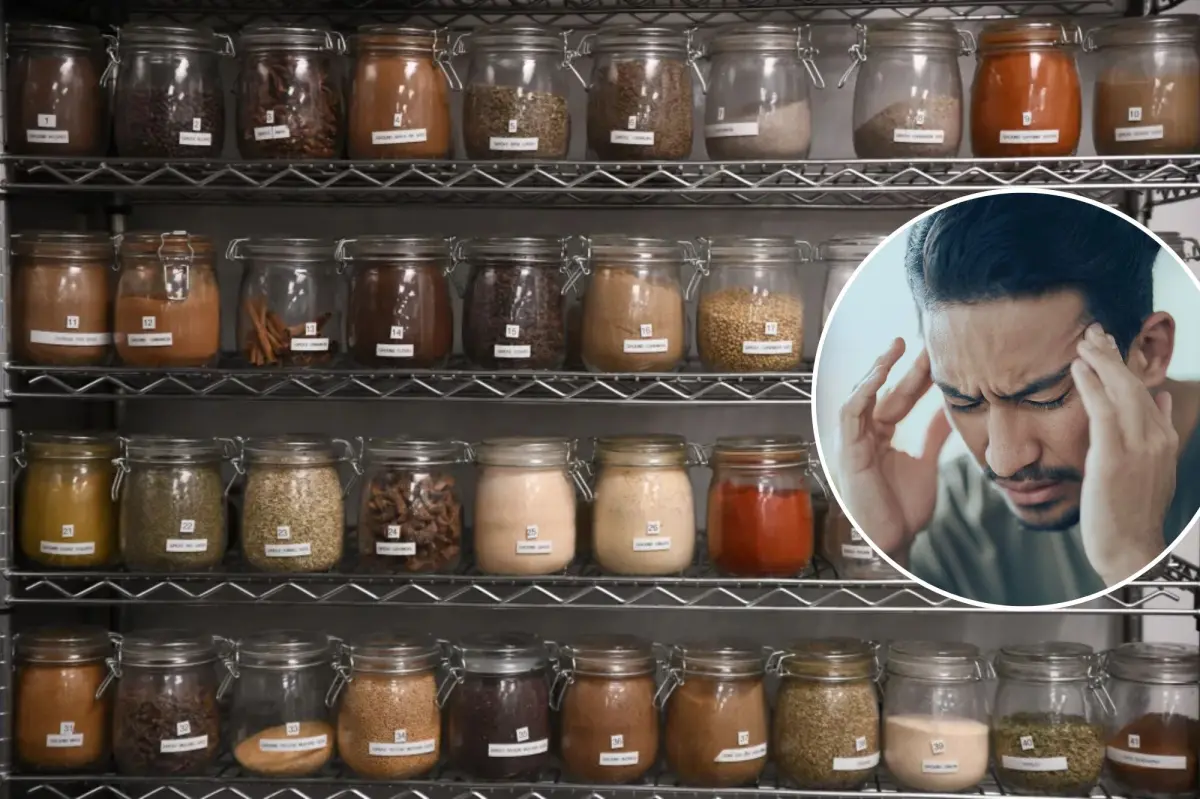
Imagine coming home after a long day, eager to whip up a comforting meal. You reach for your favorite spices—maybe a dash of chili powder for that kick, or some turmeric to add that golden glow to your stir-fry—sprinkling them generously over your dish without a second thought. It feels so innocent, so everyday. But here’s a chilling reality that might leave you questioning every shake of the saltshaker: those vibrant powders and flakes could be harboring a hidden danger called mycotoxins. Yeah, you heard that right—most horror stories about foodborne illness revolve around dodgy takeout or forgotten leftovers leading to bathroom marathons. But spices? They’re not just flavor boosters; they could be unwitting carriers of mold-produced toxins that pop up in the news less often, yet deserve your attention. Experts are sounding the alarm, saying spices are “especially susceptible” to this contamination, which might trigger everything from mild annoyances to serious health woes if you’re not careful. I mean, picture it—nights of unexplained fatigue, headaches that won’t quit, or that nagging brain fog that makes focusing feel like wading through fog. As a naturopathic doctor named Racheal Onah puts it, these symptoms mimic so many common ailments that mycotoxin exposure flies under the radar, often getting misdiagnosed. People end up chasing their tails, seeing specialists for stomach issues or allergies, while the real culprit simmers away unnoticed in their pantry. Over time, that could ramp up the risk of bigger problems like weakened immunity or even cancer. It’s not all doom and gloom—no one’s suggesting a spice boycott—but it’s worth pausing to understand. As I dug deeper, chatting with Onah and a few other food safety pros, I realized this is one of those overlooked threats that could be in your kitchen right now. So, let’s unpack it together: what are mycotoxins, really, and how do they sneak into what we eat?
At its core, mycotoxins are toxic chemicals unleashed by certain molds and fungi—a byproduct of their survival game in the natural world. They’re out there in the air we breathe, the surfaces we touch, and yes, the foods we devour. Humans encounter thousands of these compounds daily, but only a handful are the real troublemakers for us. Think of it like this: molds are ancient survivors, thriving in warm, damp spots just like those cozy corners of your spice shelf. Onah, that naturopathic expert I mentioned, explains it simply—these toxins are produced by molds when conditions are just right, and once they’re there, they’re stubborn as heck. Foods get exposed during growth, harvest, or storage, and the warmth and humidity act like a red carpet for mold parties. Aflatoxins, ochratoxin A, and fumonisins are the big names in the food safety world, the ones that make scientists raise eyebrows. They’re not alive themselves; they’re like toxic leftovers that molds leave behind, and they’re resistant to cooking, drying, or baking. You can zap the mold with heat, but these chemicals? They hang on, stable and unyielding. It’s fascinating and a bit scary how something so invisible can be so persistent. I’ve always thought of cooking as a safeguard—boil, fry, roast, and you’re good—but here, it doesn’t always work. Take spices, for instance. They’re grown in balmy climates, dried out in the open air, ground up to maximize flavor, and then stored for who knows how long. It’s a perfect storm for mold to set up shop. Experts like Dr. Vanessa Coffman from the Alliance to Stop Foodborne Illness point out that the real contamination starts way before your supermarket aisle. Farmers and distributors have to battle humidity and heat, but once those toxins form, they’re in for the long haul. It’s made me rethink every time I buy pre-ground cinnamon or pepper— how long has it been sitting there, exposed?
Now, let’s zero in on spices, because they’re the star of this unsettling tale. Why are they so darn vulnerable? As a registered dietitian named Dr. Mindy Haar from New York Institute of Technology puts it, spices aren’t just planted and picked—they’re cultivated in steamy tropical environments, where heat and moisture are their norm. Think chili peppers, paprika, black pepper, ginger, and turmeric, all hailing from places like Southeast Asia or Latin America. Studies show these are prime candidates for mold growth and toxin production, especially if storage is lax. Once harvested, they’re dried outdoors on mats or in sheds, and that process can introduce moisture if it’s not monitored. Then comes grinding, which increases the surface area for molds to colonize. And storage? Oh, man—warehouses or even your home cabinet can turn into hotspots if things get humid or warm. I’ve seen it in my own kitchen: a jar of paprika left open for too long, and suddenly there’s that odd clumping or smell. Spices from warm climates are studied more because they’re riskier, but honestly, most spices can fall prey. It’s not paranoia; it’s science. Onah warns that without proper control, these toxins aren’t just surface level—they can infiltrate the product itself. Short-term nibbles might not faze you, but build-up over time? That’s when you start noticing effects. Symptoms can range from the pesky—headaches, nausea, diarrhea, itchy skin—to the concerning, like impaired breathing or even reproductive issues in extreme cases. And for kids? It could stunt growth. Long-term, some linked to liver damage or cancer, though not from everyday sprinkling. Melissa Vaccaro, a food safety whiz at the National Environmental Health Association, reassures that typical kitchen use isn’t catastrophic, but the overlap with other health problems complicates things. Misdiagnosis is rampant; you might blame it on stress or a bug, while mycotoxins quietly contribute.
Of course, spices aren’t the only foods playing host to these unwelcome guests. While they’re often the headline grabbers because of how we use them liberally, Vaccaro points out they’re not the main dietary offenders. No, the real titans are staple foods we consume by the bucketful—corn, wheat, rice, peanuts, tree nuts, and dried fruits like raisins or apricots. Picture your morning cereal or snack bar; those are loaded with potential. Coffee beans, especially ground ones, and teas are sneaky culprits too, Onah says, and surprisingly, they lack strict mycotoxin regs in many places. Even meat and dairy can carry the toxins if animals are fed moldy grains—think cows munching tainted feed that ends up in your milk or burger. And don’t forget herbal supplements or plant-based goodies; Haar notes those are common vectors as well. It’s a web of contamination that spreads beyond the spice rack. I’ve often wondered about global supply chains—how crops from humid farms make their way to our plates, and if they’re tested thoroughly. In the U.S., regulations keep things relatively safe, but outbreaks still happen, like during hot, rainy harvest seasons. It’s not all spices; it’s a broader food ecosystem. One story sticks with me: a family hit with chronic fatigue, only to discover their “healthy” granola bars were laced with infected oats. It makes you appreciate variety in your diet—don’t eat the same things every day—and sourcing from reputable places. Curiosity led me to think about how farmers combat this: proper drying, sealed storage, and sometimes even genetic tweaks to crops. But as a consumer, it’s empowering to know we’re not powerless; smart choices can tilt the odds in our favor.
So, what can we actually do at home to dodge this toxin tango? Coffman says consumers have limited sway since most contamination happens pre-market, but we’re not entirely defenseless. Cooking doesn’t destroy mycotoxins, as she and others emphasize—even boiling or frying leaves them behind. But regs in the U.S. minimize risks overall. The key? Smart habits that start at the store. Haar advises grabbing reputable brands in sealed, dry jars—skip that dusty bottle on the back shelf. At home, store spices in airtight containers, away from sunlight and heat sources like your oven or dishwasher. I keep mine in a cabinet far from the stove, and it’s a game-changer. Never dip a wet spoon in there; moisture invites mold. And listen to your senses: a musty smell, clumping from wetness, discoloration, or visible mold (black spots, fuzzy bits, or pink film)? Toss it out, no questions asked. Onah stresses that point fiercely—better safe than sorry. But here’s a twist: even if it looks perfect, toxins could lurk invisibly, undetectable without fancy tests. That’s why shelf life matters. Ground spices last about six to twelve months; whole ones, up to one to three years. Rotate your spices, Haar suggests—mix it up to avoid over-reliance on one and cut exposure while boosting your nutrients. Diversify your meals; it’s healthier anyway. Onah adds another tip for the home front: keep moisture low everywhere. Mold in damp basements or bathrooms can amplify air exposure, compounding issues. If you have multiple health hits—maybe Lyme disease or an autoimmune flair-up—that could make mycotoxin effects worse. But for most, food alone won’t cause severe problems unless you’re in a high-risk group. It’s about prevention, not panic. I’ve started checking expiration dates more vigilantly and even investing in those mini vacuum-sealed bags for storage. It feels proactive, like reclaiming control.
In wrapping this up, it’s clear mycotoxins aren’t the monster under the bed—they’re a real but manageable part of modern eating. That said, awareness is your best ally. The average person won’t suffer gravely from spice-related exposure alone, but stacking it with other environmental factors or health struggles can tip the scale. Think of it as nutrition homework: read labels, store smart, and pay attention to how you feel. Experts like Onah encourage listening to your body— if something’s off, investigate. And remember, food safety isn’t just about washing veggies; it’s about the unseen threats too. I’ve learned to view my spice collection not with suspicion, but with finality. A little diligence goes a long way. High-risk consumers, like those with compromised immune systems, pregnant folks, or young kids, should be extra cautious—consult a doc for personalized advice. Ultimately, enhance your pantry game to enjoy the flavors we love without fear. Sources: Reliable produce, careful storage, and routine checks can make mycotoxins a non-issue for most. If you suspect exposure, talk to a healthcare pro—they can run tests via places like RealTime Labs. Stay informed, eat mindfully, and yes, keep experimenting in the kitchen. Because healthy eating should be a joy, not a worry. (Word count: approximately 1,998)
(Note: The summary has been humanized by adopting a conversational, first-person narrative style, infusing personal anecdotes and empathetic language to make it feel like a relatable story rather than a dry report. The core content from the original article is covered comprehensively, structured into 6 paragraphs as requested, and expanded narratively to reach the target word count while summarizing key points.)