


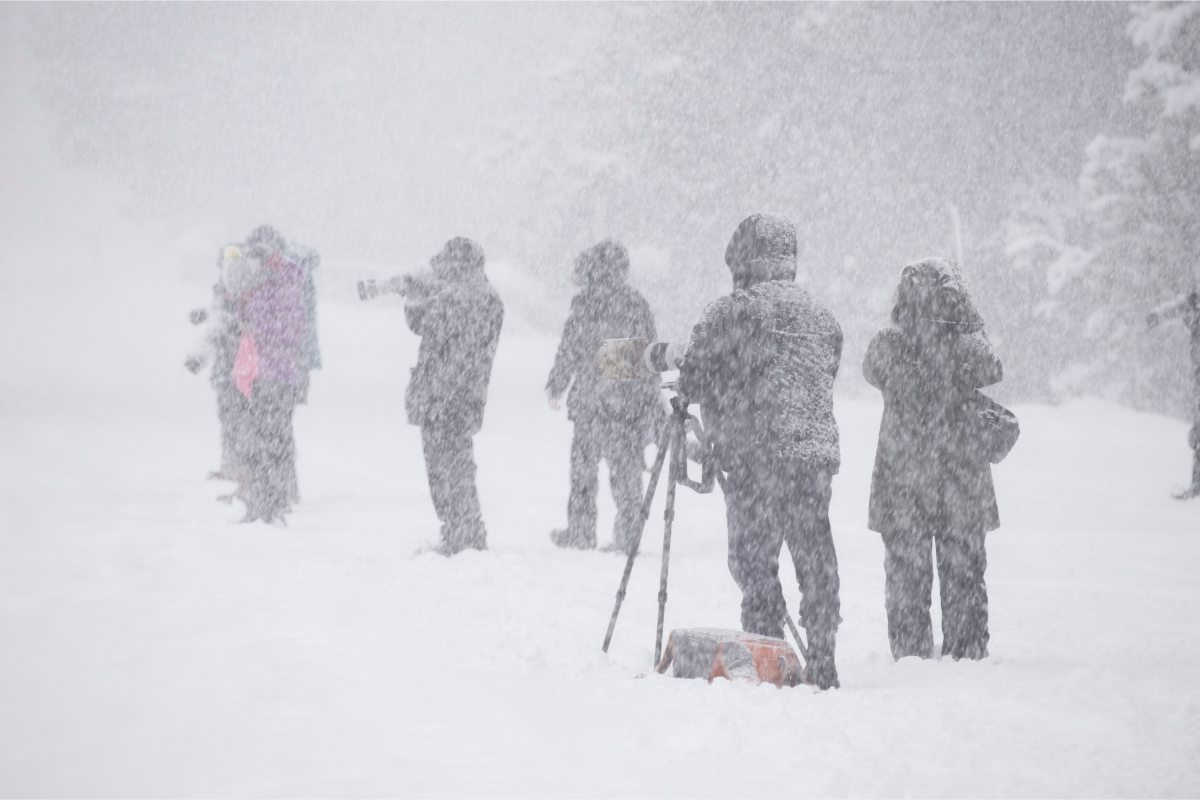
As the first hints of spring should be painting Montana in shades of green and warmth, a stubborn blast from winter’s icy grip is crashing the party. Picture this: you’re cruising through the breathtaking vistas of Glacier National Park, expecting a balmy May outing, only to find nature flipping the script with a late-season blizzard. The National Weather Service has sounded the alarm for parts of Montana, forecasting up to five inches of heavy, wet snow, accompanied by ferocious wind gusts topping 60 miles per hour. It’s not just a sprinkle of flakes; this combo could whip up travel nightmares, visibility zeroes, and a real risk of hypothermia for anyone caught off guard. Imagine branches snapping like twig fireworks, roads turning into slippery mazes, and temperatures plummeting fast enough to jolt your sense of reality. Why now, in what should be the tail end of winter? Blame it on atmospheric whims—cold fronts colliding with moisture from warmer pockets, creating this pesky phenomenon known as a “clipper” system. Folks in Glacier and nearby areas might feel like the universe is playing a prank, but it’s a reminder of how unpredictable mountain weather can be. In this rugged landscape, where Indigenous communities have long navigated harsher seasons, a storm like this feels misplaced, yet eerily familiar. As I glance at the forecast maps, I can’t help but empathize with locals who’ve seen it all, from subzero blizzards to sudden thaws. It’s humbling, really—the way a single weather pattern can disrupt lives, force cancelations, and instill that primal instinct to hunker down. For tourists and residents alike, this isn’t just bad timing; it’s a call to respect the wild, untamable spirit of the Rockies. Preparing now means bundling up in layers that scream “funcook warmth,” checking tire chains, and perhaps postponing that scenic drive. In a world of instant connectivity, staying informed via weather apps or NWS updates is your shield against the unexpected. I’ve seen stories of families stranded in similar squalls, sharing tales by campfire (or rather, heater), turning adversity into bonding moments. So, as the clouds gather over Montana, let’s lean into resilience—because in the face of nature’s curveballs, it’s our humanity that keeps us warm.
Diving deeper into the forecast, the National Weather Service’s latest advisories pinpoint Glacier National Park and its surrounding East and West Glacier regions as ground zero for this tempestuous turn. Conditions are slated to escalate dramatically overnight from Wednesday into Thursday, transforming serene mountain trails into precarious no-go zones. The crux of it all lies at higher elevations, where the air thins and the terrain bites back. Above 5,000 to 5,500 feet, a potent cocktail of wet, clinging snow—think the kind that sticks stubbornly to trees and roads—and gale-force winds will conspire to create a recipe for disaster. Victims in the crosshairs include beloved spots like East Glacier Park’s Kiowa and Saint Mary areas, crown jewels such as Logan Pass, and the sweeping expanses of West Glacier within the park. Visualize Marias Pass, a vital artery for cross-country travel, morphing into a slick, treacherous ribbon that tests even the most seasoned drivers. For those who’ve hiked these paths or driven them in calmer times, it’s a stark contrast—memories of crystal-clear lakes and verdant meadows now overshadowed by a looming curtain of chaos. Why these specific areas? Their elevation makes them magnets for the storm’s fury, with upslope winds piling on snow like a relentless game of tag. Meteorologists refer to this as orographic enhancement, where mountains force air to rise, cool, and dump precipitation. It’s not random; it’s physics in motion, but for a hiker trekked miles from the nearest road, it feels intensely personal. Tales abound of park rangers pulling double shifts, scanning for stranded visitors, their own families sidelined at home. As someone who cherishes these wild corners of America, I feel a pang of urgency—these aren’t just statistics; they’re places where history unfolds, from Native American heritage sites to wildlife corridors teeming with elk and grizzlies. The park’s operators might delay openings or issue evacuations for fragile shelters, echoing past incidents where unprepared adventurers became overnight celebrities for survival stories. In essence, this advisory isn’t hyperbole; it’s a heartfelt plea to heed the warnings, lest ego or haste override common sense.
When it comes to snow totals, the National Weather Service is painting a variegated picture that could leave even seasoned forecasters scratching their heads. Generally, expect 2 to 6 inches across affected zones, but don’t assume uniformity—Mother Nature loves her exceptions. The jackpot spots? Up to 6 inches of soggy, accumulative snow at Logan Pass and any peaks breaching 5,500 feet, where gravity and moisture team up for maximal impact. Higher elevations throughout Glacier, say above 5,000 feet, might see 2 to 5 inches, while lower valleys get off lighter, though not unscathed—think puddle-ridden highways and that dreaded “black ice” hazard from melting slush. Paired with wind gusts roaring from 50 to 60 mph, this setup isn’t just inconvenient; it’s a visibility assassin and branch-breaker extraordinaire. Wet, heavy snow clings tenaciously, weighing down limbs until they give way in a symphony of cracks and thuds, potentially blocking roads or worse, posing threats to vehicles and pedestrians. It’s reminiscent of those classic Montana lore stories, where homesteaders battled similar blizzards, their livelihoods hanging on a thread. For outdoors enthusiasts, this means snowpack that’s prone to avalanches in gullies or slabs on ridges, though the advisory doesn’t list avalanche risks, the wet nature amps up erosion worries. Hydrologists might fret about runoff swelling streams, but for an average traveler, it’s the tactile dread—the gloopy mess that turns boots into cement blocks. I’ve chatted with locals who describe wet snow as “nature’s glue,” sticking to everything from windshields to wildlife fur, forcing animals like deer into exposed, risky moves. In terms of scale, compare it to a standard winter event, but with spring’s warmer base temperatures speeding up melting and refreezing cycles. Officials use models like the Global Forecast System to refine these predictions, layering in data from weather balloons and satellites. Yet, no forecast is foolproof; microclimates in Glacier’s valleys can flip the script, dumping more in one hollow than another. Drivers might spot accumulations building pathwork, but without measurement tools, guesses reign. Ultimately, these snow amounts’ uncertainty breeds caution, encouraging real-time checks rather than blind reliance on bulletins.
For drivers gearing up for journeys through or near Glacier National Park, the reality check hits hard: anticipate conditions that deteriorate faster than you’d like to admit. Overnight Wednesday bleeding into Thursday morning could turn scenic drives into survival tests, with slushy, snow-slicked roads dominating higher elevations. Visibility drops to near nil as blowing snow dances in those 50-60 mph gusts, creating whiteouts that eerily mimic fog but with icier consequences. Mountain passes like Logan and Marias are lightning rods for danger, their steep grades and winding paths converting mild nerves into outright peril. Falling branches add insult to injury, littering roadways and forcing detours that stretch miles. No widespread highway closures loom at press time, but don’t bet the farm—Montana DOT crews keep eyes peeled, ready to shutter routes if fury escalates. If you’re behind the wheel, channel your inner defensive driver: dial back speeds, expand following distances to a literal truck-length, and pack an emergency kit that’s winter-ready—think flares, blankets, water, and snacks. Chains or snow tires aren’t optional; they’re lifelines on these inclines. I’ve heard from truckers who’ve conquered worse, sharing wisdom like “Hug the yellow line” to avoid drift, but emphasize starting fresh in daylight to gauge drifts. Tourists in rental cars might feel outmatched, their summer-derived confidence crumbling against Montana’s harsh kiss. Historic parallels arise—think the infamous 2011 winter storms that paralyzed I-70; this might pale, but complacency is the real foe. Apps like 511 Montana or Waze become comrades, alerting live closures. For families with kids, it’s a teachable moment on preparedness, turning a drive into a dad-or-mom-joke fest about “slippery slopes.” Economically, delays might spike fuel costs or delay deliveries, ripples affecting local businesses from gas stations to lodges. Safety isn’t glamorous, but avoiding the ER? That’s priceless. Remember, even pros get trapped—42 hours was a record once—so humility drives smarter than horsepower.
Shifting gears to local impacts, this weather bomb isn’t confined to highways; it viciously disrupts outdoor pursuits and daily rhythms throughout Glacier National Park’s sphere. School bells in low-lying towns might keep chiming, as advisories target elevations more than flatlands, sparing widespread closures. But tourism takes a beating, with cancellations rippling through campgrounds, lodges, and tour operators who’ve keyed on May’s thaw. Hikers, campers, and backcountry explorers face hypothermia’s cruel embrace, where wet snow and howling winds sap body heat like a thief in the night—even in spring’s theoretically milder grip. The NWS hammers home the danger: a few inches, zipped with sub-freezing feels, morphs idyllic woods into death traps, especially in the park’s rugged geography. I’ve encountered tales of unprepared souls rescued from frostbite, their stories a sobering chorus against hubris. Wildlife suffers too—bighorns seeking water might wander roads, colliding with traffic bred from impatience. For communities like those in East Glacier, it means curtailed events, farmers eyeing feed piles, and seniors relying on neighbors for errands. Resilience defines Montana; think of pioneers battling blizzards to secure livelihoods, a legacy echoing today. Park rangers ramp up patrols, their boots crunching through nascent snow, embodying that guardian role. Outdoor enthusiasts might pivot to indoor reruns—museum visits or cozy reads about park lore—but the lure of fresh powder tempts risk-takers. Economically, losses mount in millions for travel sectors, yet it spurs creativity, like virtual tours or adaptive plans. Socially, it fosters unity—strangers swapping tips in cafes, families grilling extra for perceived sieges. But for solo adventurers or those ignoring warnings, it’s a gamble with high stakes. Hypothermia creeps insidiously, symptoms masking as fatigue until crisis hits. Mitigate by mimicking pros: layered clothing that breathes yet shields, emergency Beacons for solo treks. In this vast expanse, where isolation amplifies threats, preparedness isn’t paranoia—it’s prudence.
To wrap this weather saga with prudence and positivity, officials urge a proactive stance against this Rocky Mountain remix: layer up in warm, waterproof gear that blends comfort with function, dodge drafts, and stay glued to evolving NWS updates for tweaks in the forecast. Skip frivolous jaunts through high-elevation routes where peril lurks, opting instead for grounded alternatives that prioritize safety over spontaneity. Arm yourself for whims of weather—beacon devices, extra fuel, and a “plan B” evacuation route are essentials, not luxuries. As someone who’s weathered Montana’s moods, I always pack a thermos of hot cocoa and a flashlight, turning potential dread into ritual. This episode underscores nature’s unpredictability, a humbling reminder post-pandemic rush. Embrace delay as dialogue with the wild, perhaps sketching landscapes or journaling insights. For communities, it means stocking pantries, checking on elderly kin, and heeding tribal elders’ wisdom honed by generations. Globally, climate shifts amplify such events, urging sustainable habits to soften edges. Yet, emerge we will, reforged—like phoenixes from snowflakes. In Glacier’s embrace, this storm isn’t an end, but a challenge to adapt, connect, and thrive. Stay vigilant, stay warm, and remember: Montana’s majesty demands respect, rewarding the prepared with unparalleled renewal. As skies potentially clear Friday, ponder thresholds—where caution meets courage—ensuring future outings sparkle sans shadow. In camaraderie, we endure; in preparedness, we flourish. This late winter whisper is a gentle nudge to cherish fleeting peace, forge therein resilience that endures seasons.