


In the swirling vortex of California’s upcoming primary election, political observers are buzzing about whether we’re witnessing a “red wave” sweeping through the Golden State or if Democrats are succumbing to a stubborn “blue flu,” holding off on committing their votes like a reluctant spouse at an altar. It’s a tense time, with mail ballots trickling in and every percentage point feeling like a heartbeat in the chest of the state’s polarized electorate. Republicans are showing surprising vigor in these early returns, and data crunchers are dissecting it all like detectives at a crime scene, trying to decipher if this is a genuine shift or just a fleeting anomaly. Imagine the excitement—red banners fluttering in the wind—against the backdrop of California, long a Democratic stronghold, where blue has reigned supreme for decades. Yet, here we are, with GOP voices gaining traction, stirring hopes among conservatives that the tides might finally turn, while liberals clutch their ballots tighter, pondering if this is just voter reluctance or something deeper, like a collective hangover from years of political disillusionment. The air is thick with anticipation; families whisper about it over backyard barbecues, while office watercoolers hum with debates. Is this the moment when the underdogs rise, or will California snap back to its liberal roots? As the first wave of mail-ins pours in, it’s a fascinating puzzle that has us all wondering: are we about to rewrite the political map, or is this just a tease before the real drama unfolds in November?
Digging into the numbers, the early ballot returns are painting a picture that’s got everyone’s attention: Republicans are claiming 34% of these votes, a solid jump of 8% from the same point in the 2022 midterms, as reported by PDI, that sharp research firm that’s like the eagle eye of the voting world. Democrats, on the other hand, are at 41%, but that’s a noticeable dip of 7 points compared to four years ago. Independents, those wild cards in the mix, are up by 2%, adding a layer of unpredictability to an already unpredictable scene. It’s like comparing a quiet family gathering to a boisterous reunion—things are heating up, and not everybody shows up right away. In 2022, the balance was more tilted toward Democrats at this stage, but now, the GOP surge feels palpable, almost tangible, like feeling the ground shift under your feet during an earthquake. Voters are making their voices heard early, some out of enthusiasm, others out of strategy, and this early snapshot suggests that Republicans might be mobilizing more swiftly, perhaps driven by clearer frontrunners or a sense of urgency in a state where they’ve long played the underdog. You can picture nervous campaign strategists huddled over spreadsheets, their coffees cooling as they recalibrate plans, wondering if this trend will hold or fizzle out like a dud firecracker. For Democrats, the drop-off is concerning, a sign that loyalty might not be as ironclad as it once was, leaving room for independents to sway the scales. It’s data that whispers of changing tides, where every vote counts like grains of sand in an hourglass, and folks on both sides are holding their breath, hoping the pendulum swings their way by election day.
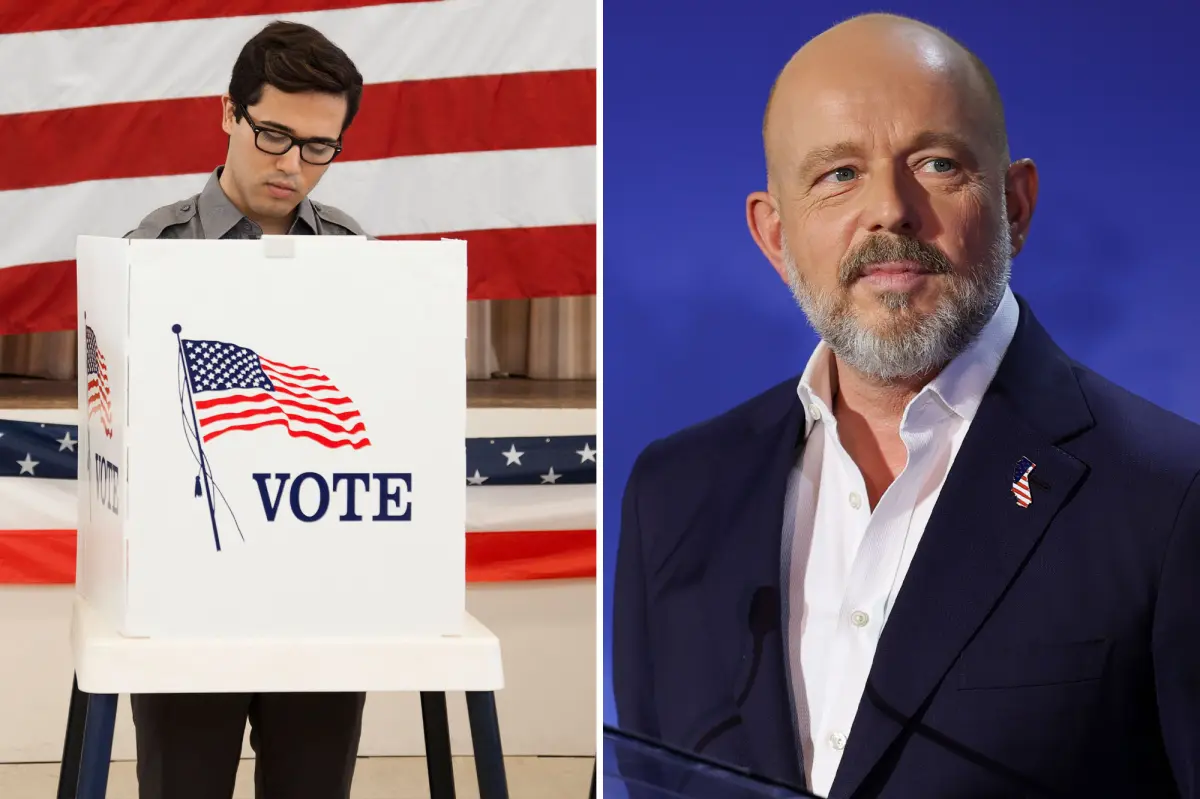
Speaking of the human element, Assemblymember Carl DeMaio, that outspoken San Diego Republican with a knack for straight talk, is cautiously optimistic about these figures, warning against reading too much into them like an overeager fortune teller, but couldn’t hide the spark in his eyes. He pointed out that, compared to voter registrations across the state, Democrats seem disengaged, taking their sweet time, while Republicans are leaping in with gusto. “It may mean that many Democrats are taking longer to decide on the governor’s race and who ultimately they want to lead,” he shared in an interview, his voice carrying that mix of seasoned wisdom and hopeful energy, like a coach seeing potential in a scrappy team. DeMaio’s encouragement for conservatives is infectious; he sees this as a window of opportunity, where GOP voters aren’t just participating—they’re asserting themselves in a landscape that’s historically favored the other side. Imagine the relief in conservative circles, where folks have grown used to playing defense, now feeling like they might finally get a shot on goal. It’s heartening to hear from someone who’s been in the trenches, who understands the pulse of the people, and he’s rallying the troops with a bullish spirit tempered by realism. Yet, beneath that optimism, you sense the undercurrent of doubt—California is no small feat, after all, with its vast diversity and entrenched liberal bastions. Voters like him are out there, door-knocking and phone-banking, embodying the hope that this early momentum could propel Republicans into November, turning whispers of a red wave into a roar. It’s stories like this that humanize politics, reminding us that behind the numbers are real people with dreams, fears, and a hunger for change.
On the battlefield of candidates, the Democratic side is a crowded arena, teeming with personalities vying for the top spot, making it feel like a bustling farmers’ market where everyone’s hawking their wares. Leading the pack is Xavier Becerra, the former U.S. Health and Human Services Secretary, with his steady, bureaucratic appeal that’s as reliable as an old pair of shoes; then there’s progressive billionaire Tom Steyer, pouring in resources like a deep-pocketed philanthropist at a charity gala, championing lofty ideals; Katie Porter, the feisty former Orange County congresswoman who’s as sharp as a tack in debates, drawing crowds with her take-no-prisoners style; San Jose Mayor Matt Mahan, gaining steam in recent weeks with an energ runoff dynamic that injects fresh vigor; and Antonio Villaraigosa, the ex-L.A. mayor who’s like a seasoned storyteller bringing old memories to life. Their jostling creates a fractured front, where voters might feel overwhelmed, like standing in front of a buffet unsure what to pick. Republicans, meanwhile, seem more streamlined: Steve Hilton, the former Fox News host endorsed by the big man himself, Donald Trump, appears to have a commanding lead, radiating confidence and drawing from a well of loyalty that’s hard to ignore. Challenger Chad Bianco, the Riverside County Sheriff, is putting up a fight, but Hilton’s frontrunner status gives the GOP a sense of direction, like a captain steering a ship through choppy waters. In California’s “jungle” primary system, which tosses party lines aside and lets the top two advance regardless, anxiety looms for both camps—imagine the dread of being squeezed out after all that effort. It’s not just about policies; it’s about personalities meshing with public sentiment, and with frontrunners like Hilton and Becerra poised to lead, the stage is set for a high-stakes runoff where every handshake and soundbite could make or break fortunes.
Delving deeper into the analysis, Paul Mitchell, the vice president of political data at PDI, brings a grounded perspective, framing the early trends as “anecdotal” but rich with insight, like a historian piecing together clues from an ancient scroll. He speculates that Democrats might be holding their ballots close, waiting for clarity—perhaps a pivotal endorsement from Governor Gavin Newsom that could unleash a floodgate of support, or news that shakes up the race, easing fears of wasted votes. “They’re still a fractured Democratic field,” Mitchell mused, evoking the image of a puzzle with missing pieces, where the exit of Eric Swalwell amid serious allegations left a void that’s hard to fill. On the flip side, Republicans have a clear, Trump-anointed path with Hilton, so they’re not twiddling their thumbs; they vote early and decisively, like athletes sprinting at the starting gun. It’s a waiting game for Democrats, he suggests, where distractions could sideline ballots altogether—kids’ soccer games, work deadlines, or the sheer fatigue of a polarized world pulling priorities in a million directions. Mitchell’s take humanizes the data, painting voters not as mere statistiques but as everyday folks grappling with uncertainty, perhaps scrolling through news apps at midnight or debating with spouses over dinner. “Something might break the deadlock,” he says, hinting at the thrill of political drama, where a single event could shift everything. It’s reassuring and relatable, reminding us that elections aren’t chess games—they’re lived experiences, full of hopes, hesitations, and human foibles that make democracy messy yet marvelously engaging.
Yet, even as optimism simmers, Carl DeMaio voices genuine worry, his semi-bullish tone cracking under the weight of potential setbacks, like a parent fretting over a child’s uncertain future. He’s alarmed that Republicans risk being totally locked out of the governor’s race—and that’s not all; the same peril hangs over lieutenant governor, insurance commissioner, and superintendent of public instruction seats. “We do know Democrats in California have a more negative view of government than Democrats in other states,” he reflected, his words heavy with the burden of years spent witnessing Californians’ frustrations bubble over into apathy or outright disdain. The plummeting popularity of Governor Gavin Newsom, the state’s party leader, is a loom thread in this tapestry—once a charismatic poster boy, he’s trending downward since Prop. 50’s passage in November, leaving a sour taste that’s alienating even his base. DeMaio’s frustration is palpable; why should the party’s chief inspire division instead of unity? Voters in California, he notes, are often disillusioned, their views colored by rising costs, housing crises, and governance woes that make Newsom a liability rather than a rallying cry. With the Democratic field splintered and no clear leader emerging post-Swalwell, Mitchell echoes the conundrum: it’s a lack of consolidation that could doom their chances, as voters balk at throwing support behind fragmented hopefuls. Imagine the anguish of dedicated Democrats, torn between loyalty and skepticism, their ballots gathering dust while urgent matters vie for attention. DeMaio’s candid admission of worry adds a raw, emotional layer—here’s a leader not just reacting to data, but feeling the sting of possibility slipping away. It’s a reminder that politics is deeply personal, threaded with the passions and pains of those who care desperately about their state’s direction.
Wrapping it all together, this snapshot of California’s primary offers a tantalizing glimpse into evolving voter dynamics, where Republicans’ early surge ignites hopes of a paradigm shift, while Democrats’ hesitation hints at deeper fractures that could reshape the landscape or pull it back into familiar blue territory. The “red wave” narrative tantalizes with its promise of change, yet the “blue flu” retorts with stubborn realities, leaving us to ponder if this is momentum that’s here to stay or just a momentary gust. Behind the statistics are stories—of strategists poring over data late into the night, candidates connecting with constituents on doorsteps, and everyday Californians wrestling with their choices amid chaotic lives. DeMaio’s cautious buoyancy and Mitchell’s analytical lens bring warmth to the discourse, humanizing a process that can feel cold and distant. As the campaign rumbles on, with candidates like Becerra and Hilton poised for November’s showdown, the jungle primary’s unpredictability ensures every twist feels like a plot point in a gripping novel. Voters, with their ballots in hand, hold the power to decide if the GOP’s energy translates to victory or if Democratic indecision morphs into missed opportunities. In a state synonymous with innovation and idealism, this election reminds us of democracy’s vibrant heart—messy, hopeful, and eternally human. Whether red or blue prevails, it’s the collective voice that matters most, echoing through communities and shaping futures. So, as we wait for the next wave of returns, let’s celebrate the intrigue, the debates, and the unwavering spirit that keeps California pulsing with possibility. Perhaps that’s the true red wave or blue flu: not just numbers, but the living, breathing pulse of a state alive with passion. And in that, there’s something profoundly encouraging about our shared civic journey.