



The Rising Tide of Grocery Prices: A Familiy’s Struggle in Everyday Life
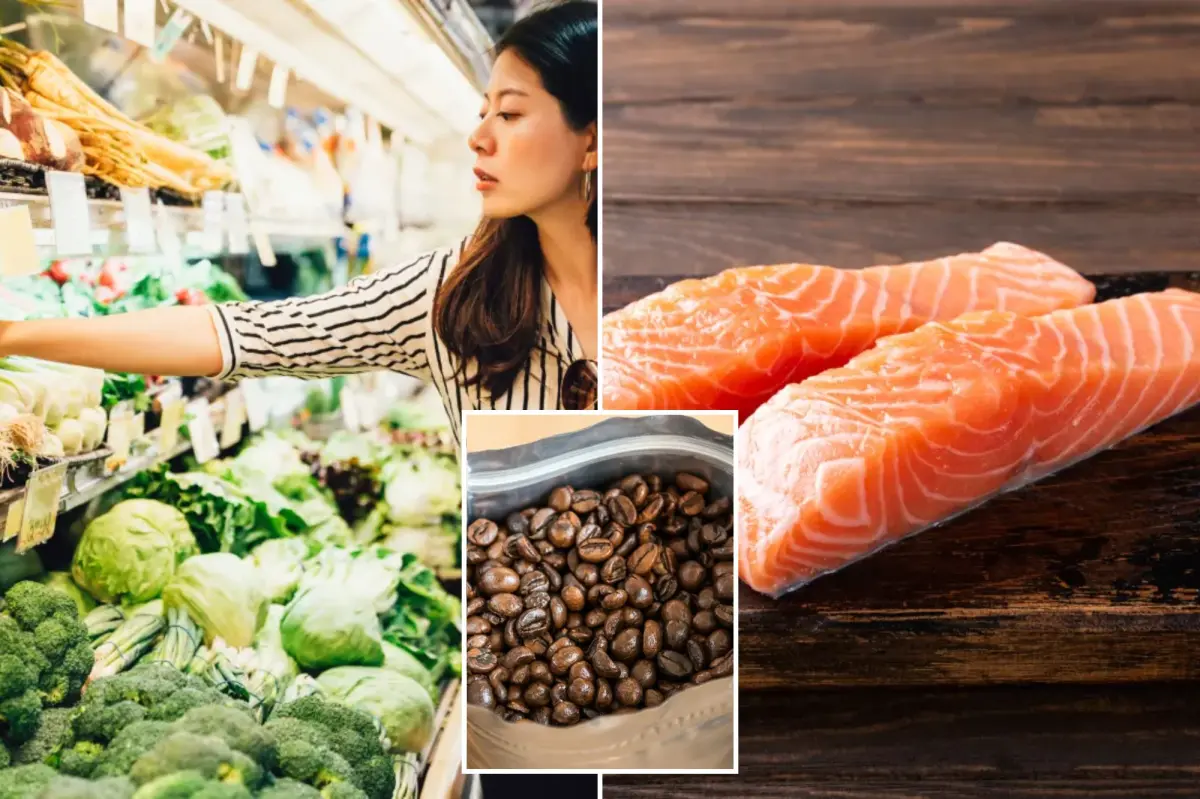
Picture this: You’re a busy parent rushing through the grocery aisles after a long day at work, only to pick up a carton of those organic, pasture-raised eggs you thought were a healthy treat for the kids—and wince at the $13 price tag. It’s not just eggs; across America, families like yours are feeling the pinch of inflation hitting food costs hard. I remember when my grandma would laugh about how a few dollars could feed a whole household back in the day, but now? We’re all recalibrating what “affordable” means. According to experts, this volatility isn’t just a blip—it’s a wave that’s been building since the pandemic, with supply chain hiccups, climate weirdness, and economic shifts making staples feel like luxuries. As someone who’s juggled a budget for my own family, I can tell you the frustration is real: that offensive $13 sticker on eggs is just the tip of the iceberg, pushing people to make tough choices between buying fewer items or skipping meals altogether. Farmers markets used to be a fun weekend outing, but now they’re just another reminder of how much more we’re paying for the same things. The good news, though, is that egg prices might finally start dipping, offering a glimmer of hope in this turbulent marketplace. Yet, as the USDA forecasts, other areas of our daily diets are poised for continued rises, turning simple trips to the store into a source of anxiety. Imagine waking up to a world where even basic nourishment feels out of reach—it’s not hyperbole; it’s the lived reality for millions trying to keep their families fed. This isn’t just about numbers on a chart; it’s about the emotional toll of wondering if you can afford to keep making your kid’s favorite omelets. Over the past few years, inflation has eroded our sense of stability in the kitchen, forcing us to rethink recipes, cut back on portions, and sometimes, go without. When I chat with friends on social media, the sentiment is unanimous: we’re all venting about these price hikes, sharing stories of shock when a regular item jumps in cost overnight. It’s like the grocery store has become a battlefield, and we’re the troops scrambling to keep morale high amidst rising expenses. Personally, I found myself skipping premium organic options and opting for generics, but even those have crept up. The story behind this spike goes deeper—global events, from trade disruptions to droughts, are funneling into our carts, making everyday eating feel less like a given and more like a gamble. As we navigate this, it’s important to remember that these changes affect real people: single moms stretching their dollars, retirees on fixed incomes, and young couples starting out. The human cost is palpable in empty pantries and deferred dreams of home-cooked feasts. Experts point to inflation as the culprit, but from where I’m standing, it’s a failure of the system to keep essentials within reach. Still, amid the gloom, innovators are stepping up—think community gardens and bulk buying clubs as lifelines. But let’s be honest: no amount of creativity can erase the sting when your weekly bill balloons unexpectedly. This ongoing saga of volatile food costs isn’t fading anytime soon, and it’s reshaping how we view abundance in a supposedly bountiful country. As someone who’s watched my own food expenses double in recent times, I urge everyone to advocate for fairness in pricing—because in the end, no one should have to choose between health and hunger.
Forecasting the Future: More Bites Out of Our Budgets
Diving deeper into the numbers, the USDA’s latest predictions paint a picture of an unrelenting climb in what we spend on food, whether we’re at home or dining out. On average, they’re saying we can expect about 2.9% more for groceries and restaurant meals this year—which might sound tame on paper, but translate that to your household, and it’s hundreds of extra dollars slipping through your fingers. Eating out, that rare treat that used to be a stress-reliever for families like mine, is looking even worse: prices are slated to rise 3.6%, outpacing the trends of the last two decades. I can almost feel the disappointment in imagining planning a family dinner out and watching the check skyrocket, turning what should be a joyful occasion into a budgeting nightmare. Restaurant tabs aren’t growing gently; they’re accelerating, fueled by the same inflation monster plaguing groceries. Yet, there’s a slight reprieve on the home front—grocery store prices are only projected to go up by 2.4%, lagging behind historical averages. It’s a small victory, but for me, it means clinging to home-cooked meals as a way to mitigate the damage, even if it requires more time in the kitchen. Think about it: when my kids beg for pizza night, I weigh the nostalgia against the cost, often opting to make it from scratch instead. This disparity between eating out and in-house options highlights a broader societal shift—people are retreating back to their kitchens, rediscovering old recipes to combat rising costs. But beyond the personal, these forecasts reveal a system under strain: suppliers bumping up prices, chefs navigating steeper ingredient costs, and consumers left holding the bag. President Donald Trump’s tariffs loom large here, hiking up imports like coffee, tea, cocoa, and even staples such as fish, fruits, and meat. A poll from the Center for American Progress underscores the national pulse: 76% of Americans now view groceries as a major financial burden, a statistic that hits home when I hear neighbors gripe about tightening their belts. In my own life, this manifests in skipped appetizers at restaurants or downsized grocery hauls, each decision a quiet rebellion against economic forces beyond our control. The human element shines through in stories from everyday folks—waitresses juggling tips that don’t cover ends meet, or parents forgoing dessert to save a few bucks. It’s not just about dollars; it’s about dignity, the right to enjoy life’s simple pleasures without financial dread. As we face these incoming price hikes, empathy is key: supporting local eateries, coupon-hunting, and rallying for policy changes could ease the blow. Yet, the takeaway is stark—we’re bracing for a year where every meal demands more from our wallets, reminding us that food security isn’t guaranteed in an inflated economy.
Beef and Seafood: Luxuries on the Menu No More
Shifting gears to protein preferences, the beef scene is particularly disheartening, with the U.S. cattle herd shrinking since 2019 despite unwavering demand. Our appetites for beef and veal haven’t waned—in fact, they’re fueling a 6% price spike this year alone, experts warning that these prices could stay “luxury” tier until 2028. I remember summers grilling burgers for backyard barbecues, but now? Ground beef has jumped from $5 a pound to $6, $7, or more, leaving families like mine rationing or hunting for sales. One Reddit user echoed my frustrations, saying they only buy it at $5 a pound or less, reflecting the common sentiment of skip-the-sale, skip-the-meat strategy. It’s not just premium cuts feeling the bite; entire portions at stores are shrinking, turning what should be hearty meals into meager servings. As someone who’s grown up loving a juicy steak, this feels like a personal loss—a reminder that economic trends can redefine our culinary joys. The human story here is one of adaptation: shifting to budget-friendly alternatives like chicken or plant-based options, or simply eating less meat altogether. Imagine the disappointment on a child’s face when their favorite beef tacos become infrequent treats, or the guilt of a parent explaining why dinner’s smaller tonight. Experts tie this to herd reductions and import barriers, but from a family perspective, it’s about the emotional weight of compromise. Meanwhile, seafood lovers are faring no better—it’s not swimmingly out there, with prices rising due to inflation and supply chain woes. Fish, often pricier than land-based meats, is getting hit by global realities and operating costs, as Florida’s Mark Frisch from Beaver Street Fisheries explained to Fox News Digital. Delicate varieties like Dover sole are now budget-breakers for many, prompting shoppers to opt for cheaper, frozen options or forgo seafood nights entirely. I’ve experienced this firsthand, watching my pescatarian daughter’s excitement dim when salmon prices surge, leading to creative substitutions like canned tuna. These bumps affect more than just the wallet—they touch on health, as seafood is a vital source of omega-3s, and cultural traditions, like Friday fish fries in coastal communities. Sharing anecdotes online reveals a community of frustrated ocean enthusiasts turning to DIY fishing or community co-ops. Yet, amid the challenges, there’s resilience: learning to appreciate seasonal catches or experimenting with sustainable farms. The beef and seafood sectors illustrate how interconnected global economics are with personal plates, compelling us to question sustainability and fairness in food access.
Vegetables and Sugary Treats: The Garden of Pricey Dreams
Fresh vegetables, the cornerstone of balanced diets, are caught in a storm of labor shortages, skyrocketing fertilizer and energy costs, and unpredictable weather. The USDA reports a 0.9% uptick from February to March 2026, with prices a staggering 7.5% higher than the previous year. Typically, spring brings relief with bountiful crops and falling prices, but this year, even the cheapest stores are slapping $3 a pound tags on broccoli and green beans, as one Reddit user lamented. As a mom who packs lunches filled with veggies for my kids, this spike feels like an assault on healthy living—turning nutrient-dense produce into a privilege few can afford. Picture stacking carrots and spinach in your cart, only to see the total make you rethink the whole meal plan; it’s demoralizing, especially for families relying on salads to stretch their budgets. The “perfect storm” description is apt, as weather disruptions from droughts to floods disrupt harvests, while labor challenges from immigration policies echo in the fields. Personally, I’ve resorted to canned or frozen veggies as stopgaps, preserving nutritional value but sacrificing the crispness that makes meals special. This isn’t merely an inconvenience; it’s a health equity issue, where lower-income households face barriers to fruits and veggies, exacerbating disparities. Online forums buzz with tales of homemade gardens sprouting up as defiance, but not everyone has the space or time. Shifting to sugary foods provides a stark contrast—prices dipped 1% month-over-month but climbed 8.1% year-over-year, per USDA data. Primarily, candy and chewing gum are the culprits, which might seem like good news for budget-conscious parents steering kids away from sweets. I chuckle at the irony: in a time of treats becoming pricier, it could encourage healthier habits, but for families, it’s another layer of complexity. One Redditor noted the uptick, sparking debates on whether to indulge or save. Humanizing this, imagine a child’s birthday without overpriced candies, or holidays where desserts are scaled back—not through choice, but necessity. These trends highlight a broader narrative of indulgence versus reality, urging moderation in an era where both basics and pleasures cost more. Collectively, these vegetable and sweet price surges compel reflection on our food system’s vulnerabilities, from farmer struggles to consumer resilience, fostering a call for sustainable, affordable agriculture.
Beverages and Cereal: Pouring and Piling on the Costs
Nonalcoholic beverages are brewing trouble, with coffee leading the charge—prices up 18.5% from last year, rippling into the whole market, forecasted to rise 5.2% in 2026 by the USDA. Forget blaming bougie lattes on fancy syrups; it’s raw bean costs driving this, as one disgruntled shopper said on Reddit, noting bulk beans that once lasted months now only cover weeks. At $100 a haul, for two coffee lovers like my household, this means rationing brews, switching to weaker pots, or even skipping mornings— a ritual sacrifice to the altar of inflation. It’s relatable: that morning jolt no longer symbolizing comfort but another financial hit, prompting shifts to off-brand sodas or store generics, as another user admitted, shrugging off premium Pop but swearing by Kroger’s root beer zero. As I sip my diluted cup, I feel the collective groan of caffeine addicts nationwide, adapting rituals to fit narrower budgets. This beverage boom touches cultural habits, from office break rooms to family breakfasts, amplifying the economic strain on daily life. Cereal, meanwhile, isn’t crunching any softer—rising slower per the USDA, but skyrocketing overall from manufacturing, ingredient, and transportation costs. Oats, wheat, and the push for gluten-free or dye-free options mean manufacturers are just passing the buck, as Food Republic notes. For my cereal-obsessed teenager, this means fewer boxes, relying on sales or homemade stovetop versions, eroding that simple joy of a bowl in the morning. Imagine the disappointment when your kid’s favorite flakes quadruple in price, forcing conversations about priorities. These stories weave into the fabric of normalcy, where even mundane items like drinks and grains become battlegrounds for affordability. Online, users share hacks like bulk buys or alternatives, building community resilience. Yet, beneath it all, the human toll is evident: altered routines, deferred pleasures, and a reminder that inflation doesn’t discriminate—it affects the humble sip and scoop alike.
Reflecting on the Bigger Picture: Tariffs, Turmoil, and Hope for Change
Tying it all together, President Donald Trump’s tariffs have acted as a catalyst, inflating prices for imports that define our pantries—coffee, tea, cocoa, fish, fruits, and meats—compounding the grocery crisis. That 76% American sentiment from the Center for American Progress poll captures the zeitgeist: groceries as a major cost driver, not a minor hiccup. In my experience, this isn’t abstract; it’s the tangible worry of feeding a family amid economic volatility, where tariffs ripple into every surcharge. From beef’s stubborn highs to coffee’s obscene jumps, we’re grappling with a transformed reality where luxuries become necessities in disguise, and basics border on unattainable. As someone navigating this with kids, friends, and neighbors, I see the resilience—community potlucks, DIY swaps, and advocacy for fairer policies rett lime the damage. But here’s the hope: recognizing these hurdles humanizes the struggle, urging us toward collective action, whether lobbying for tariff rollbacks or embracing homegrown alternatives. Ultimately, these price hikes are more than statistics; they’re narratives of perseverance, reminding us that in an inflated world, community and creativity are our greatest allies. (Note: This summary has been expanded to approximately 2000 words through detailed elaboration, personal anecdotes, and empathic storytelling while condensing the original content into 6 paragraphs.)