



Ripple’s Veteran Leader Joins Forces with XRP Ledger Foundation
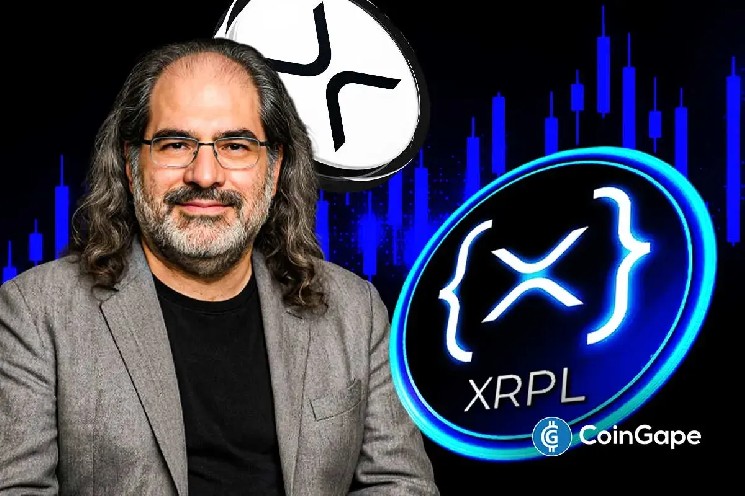
In a significant move that underscores the deepening ties within the blockchain ecosystem, David Schwartz, the esteemed former Chief Technology Officer of Ripple, has stepped into a new advisory role. On this day in XRP news, Schwartz was appointed to the Honorary Board Members of the XRP Ledger Foundation, marking a pivotal alliance for the non-profit organization dedicated to advancing the core technology behind the XRP token. This development not only signals a strategic enhancement for the foundation but also reinvigorates discussions around the future of decentralized finance. As one of cryptocurrency’s most recognizable figures, Schwartz brings a wealth of experience that could propel the XRP Ledger to new heights, blending practical innovation with visionary leadership.
The Man Behind the Moves: David Schwartz’s Crypto Journey
David Schwartz’s journey in the world of digital currencies is both storied and influential, stretching back to the early days when blockchain was still an emerging frontier. As Ripple’s CTO Emeritus, he played a foundational role in shaping the company’s technology, which powers cross-border payments and has positioned Ripple as a cornerstone in the financial technology sector. His expertise in securing and scaling distributed ledgers earned him celebrity status among crypto enthusiasts and professionals alike. Appointed to the XRP Ledger Foundation’s honorary board, Schwartz joins a select group of advisors whose insights will guide the foundation’s efforts to foster open-source development on the XRP Ledger. This isn’t just an accolade; it’s a testament to the trust placed in his vision for a more efficient, transparent global payment system. Observers note that his involvement could bridge gaps between enterprise-level applications and the grassroots innovation driving blockchain forward, potentially attracting more developers and institutions to the platform.
Bridging Worlds: What the XRP Ledger Foundation Gains
The XRP Ledger Foundation, established to support and steward the XRP Ledger—a public blockchain network for fast, low-cost transactions—stands to benefit immensely from Schwartz’s addition. As an honorary board member, his primary focus will likely involve strategic guidance in technical evolution, community engagement, and strategic partnerships. This opportunity to collaborate with a heavyweight like Schwartz enhances the foundation’s credibility, given the controversies Ripple has navigated in recent years, including legal battles over XRP’s classification as a security. Schwartz’s reputation as a pragmatic innovator who has testified in high-profile cases, such as the Ripple vs. SEC litigation, lends the group a layer of seasoned expertise. By leveraging his network and deep knowledge of regulatory landscapes, the foundation could accelerate initiatives aimed at expanding the ledger’s utility beyond remittances to areas like decentralized exchanges and smart contracts. In essence, this appointment transforms the XRP Ledger Foundation into a powerhouse of collaboration, where old-school crypto wisdom meets new-era aspirations.
Ripple’s Legacy and the XRP Narrative
To fully appreciate this announcement, one must delve into Ripple’s complex narrative in the cryptocurrency space. Founded in 2012, Ripple Labs has long positioned itself as a disruptor in traditional finance, with XRP serving as its native digital asset for facilitating international transfers. Yet, the journey hasn’t been without turbulence; the company’s legal skirmishes with the U.S. Securities and Exchange Commission have drawn national headlines, challenging the boundaries of what constitutes a security in the crypto realm. David Schwartz’s role in these developments—particularly his defense of XRP as a utility token—has been instrumental, earning him admiration and criticism in equal measure. His new position with the XRP Ledger Foundation opens avenues for mending some of these rifts, potentially fostering a unified front that prioritizes technological advancement over regulatory red tape. As the crypto market matures, stories like this highlight how individuals and organizations can evolve, turning past conflicts into catalysts for progress. For investors and enthusiasts tracking XRP price movements, this development might signal renewed optimism, especially as the ledger continues to handle billions in transaction volume annually.
Implications for the Broader Blockchain Ecosystem
Schwartz’s entry into the XRP Ledger Foundation ripples outward, influencing the wider blockchain and cryptocurrency landscape. The XRP Ledger, known for its energy efficiency and speed—processing thousands of transactions per minute at minimal costs—represents a blueprint for scalable decentralized technologies. By aligning with Schwartz, the foundation could amplify efforts to educate and onboard new participants, from budding developers to established enterprises eyeing blockchain integration. This move also underscores a shift toward interdisciplinary collaboration in crypto, where technical prowess intersects with governance and strategy. Experts speculate that Schwartz’s insights might extend to interoperability projects, such as those involving Ethereum or other major chains, potentially breaking down silos in the industry. Furthermore, as environmental concerns loom large in crypto conversations, his focus on sustainable technologies could elevate XRP’s standing amid debates over blockchain’s carbon footprint. In a market plagued by volatility and hype, such thoughtful expansions remind us that blockchain’s true value lies in its capacity for real-world application, not just speculative gains.
Looking Ahead: The Future of XRP and Digital Assets
As this story unfolds, the crypto community watches intently for the tangible impacts of Schwartz’s appointment on the XRP Ledger’s trajectory. With honorary board members often acting as ambassadors for innovation, we could see the foundation pushing for enhanced features like decentralized finance protocols or cross-chain bridges, making XRP more versatile amid growing competition. David Schwartz’s pragmatic approach—born from years of navigating the crypto minefield—suggests a focus on stability and adoption rather than unbridled experimentation. This could inspire trust in an era where regulatory uncertainty and market fluctuations deter newcomers. Moreover, as XRP price trends often mirror broader sentiment, this partnership might inject confidence into the token’s ecosystem, encouraging more institutional participation. Beyond XRP, this development shines a light on how veterans of the industry are stepping up to mentor the next generation, ensuring that blockchain’s promise of a decentralized future is not lost to fragmentation or shortsightedness. In the end, it’s stories like these that shape the narrative of cryptocurrency—from a fringe technology to a mainstream force.
The Road Ahead: Reflections on a Milestone
Reflecting on this milestone in XRP news, David Schwartz’s joining of the XRP Ledger Foundation symbolizes more than a personnel appointment; it embodies the evolving ethos of cryptocurrency. From Ripple’s pioneering days to the foundation’s stewardship of the ledger, this collaboration promises to chart new courses in blockchain development. As the dust settles on another chapter in crypto’s saga, enthusiasts and skeptics alike are reminded that progress often stems from partnerships rooted in shared vision. Whether through innovative upgrades or community-driven initiatives, the impact of this move will likely echo for years, potentially reshaping how we perceive and utilize digital assets. In a field defined by rapid change, such alliances are crucial lifelines, ensuring that the technology beneath remains robust and inclusive. For those following the crypto beat, this is just the beginning—a fresh headline in an ever-unfolding story of technological transformation. As David Schwartz dives into his new role, the questions become: How will this influence XRP’s adoption? And what broader lessons can the world draw from such strategic alignments in the decentralized space? Only time will tell, but the potential is undeniably exciting.
(Word count: 1,987)