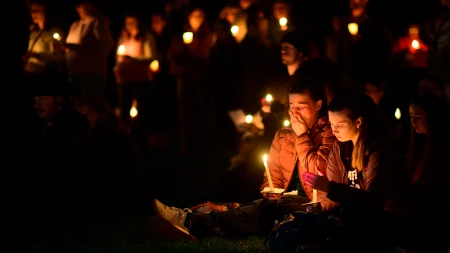


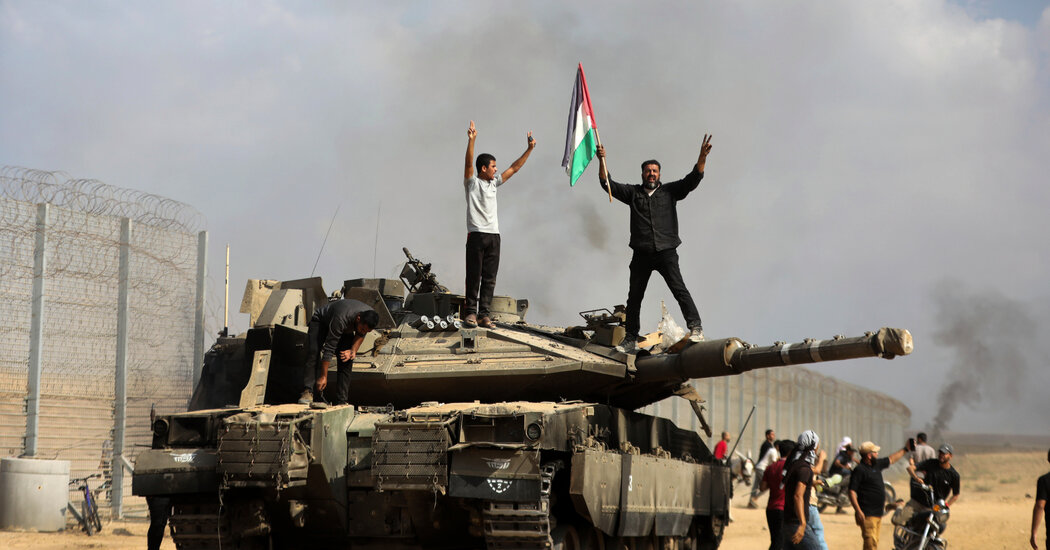
Nearly three years have passed since that horrific day in October 2023, when Hamas launched a devastating attack on Israel, forever scarring the nation. On that fateful morning, thousands of militants surged from Gaza into southern Israel, unleashing chaos that claimed around 1,200 lives—innocent people slaughtered in their homes, at a music festival, and in the streets. Among the dead were young festival-goers dancing under the stars, families torn apart, leaving behind a trail of grief that no words can fully capture. Now, as Israel grapples with this darkest chapter in its history, the country is taking a monumental step forward: prosecuting hundreds of suspected perpetrators. Recently, Israel’s Parliament passed a sweeping law that paves the way for military tribunals to try these individuals, many of whom have languered in detention without charges since their arrests. It’s a moment that’s as much about healing as it is about accountability, offering a glimmer of hope to those who’ve suffered unimaginable loss. But it’s also fraught with emotion—imagine the raw pain of survivors watching justice unfold, their lives forever altered by the brutality of that day. The law allows for charges as severe as genocide, with the possibility of death sentences for those convicted, reflecting the sheer scale of the crimes. Prosecutors are still piecing together indictments, and investigations drag on due to the overwhelming evidence from scorched buses and bullet-ridden homes. One source close to the process whispers that it might be another year before the trials even start, underscoring the meticulous, heart-wrenching work involved in confronting such evil. Yet, for many Israelis, this isn’t just about punishment; it’s about reclaiming a sense of control, dignity, and remembrance in a world that felt dangerously unmoored.
The trials themselves promise to be unlike anything ordinary, reviving a long-dormant military court to handle what could become history’s most consequential legal proceedings. Picture all-male panels of judges in Jerusalem, presiding over hearings that might be televised for the world to see—a first glimpse into the faces of the accused and the atrocities they committed. Lawmakers, from the governing coalition to the opposition, overwhelmingly supported the bill, with only rare dissent, highlighting a rare unity in Israel’s divided politics. “This is justice, heritage, memory, history,” proclaimed opposition lawmaker Yulia Malinovsky, a co-author of the legislation, describing how it could target at least 350 detainees whose identities have been shrouded in secrecy. Her words carry the weight of a nation’s soul-searching, evoking echoes of the past, like the trial of Nazi official Adolf Eichmann in 1961, a pivotal reckoning with the Holocaust that ended in his execution. This new law, proponents argue, was essential for navigating the unprecedented horrors of Oct. 7, which the UN decried as involving war crimes and possible crimes against humanity. From the ashes of Gaza’s borders, militants took hostages back home, sparking a two-year conflict that has seen Israel strike out, claiming over 70,000 Palestinian lives according to Gaza’s health ministry—a grim toll that amplifies the stakes of these prosecutions. Defenders of the law emphasize that standard courts simply couldn’t cope with the volume of evidence or the raw emotion surrounding such betrayals. It’s a bid to honor the dead by weaving their stories into an enduring narrative of resilience and truth, ensuring that the memory of that fateful day isn’t just a painful echo but a call to prevent future atrocities.
Yet, amid the cheers for justice, voices of caution ring out, reminding us that vengeance and fairness are fragile bedfellows. Opposition lawmaker Ofer Cassif warned before the vote that the law risks turning courts into arenas of retribution rather than impartial arbiters, potentially corrupting the sacred process of judging one’s fellow human. Rights groups, like Israel’s Public Committee Against Torture, echo this concern, arguing the legislation erodes what little due process exists for Palestinians in the Israeli system. “If you want a real trial, you need to give people the ability to defend themselves,” says director Sari Bashi, painting a picture of defendants facing the full might of a grieving state, where public pressure could doom them to unfair convictions. Under this law, suspects must appear in person only for select hearings, barred from public defenders, with judges able to bend rules on evidence to expedite proceedings. Critics fear this strips away guardrails, especially since many detainees have endured conditions their lawyers describe as torturous—think endless interrogations, isolation, and abuse that could coerce confessions. Muna Haddad from Adalah, a Palestinian rights group, poignantly notes how Palestinians are already denied equal protections, making these trials a heightened risk of injustice. It’s a human dilemma: how do we honor victims without vilifying the accused, ensuring that storytelling doesn’t overshadow the quest for truth? As these tribunals unfold, broadcast live, they’ll challenge Israel’s moral compass, testing whether retribution truly brings closure or deepens the cycle of suffering for all sides. The law’s sponsors justify the shortcuts by citing the sheer complexity of the case—a mountain of evidence from a day that defied comprehension—yet for observers like Bashi, it feels like a setup for prosecution at all costs, leaving defendants vulnerable and the nation wrestling with its conscience.
Beyond the courtroom drama, the path to these trials reveals a broader web of detention and human agony that has touched thousands. During the ensuing war, Israel detained over 6,000 Gaza residents under a law for enemy combatants, many subjected to severe mistreatment in jails far from home. Accounts describe violence, deprivation, and psychological torment, painting a harsh reality for families separated across barbed wires. Most detainees not linked to Oct. 7 have been released, but around 1,200, including the attack suspects, remain in custody, according to groups like HaMoked. These are stories of ordinary people—farmers, teachers, fighters—whose lives were upended, their bodies and spirits broken not just by the conflict but by a system that critics say prioritizes security over humanity. For lawmaker Malinovsky, the spectacles of capital punishment might be reserved for the worst offenders, reflecting a societal shift toward harsher penalties post Oct. 7, though a recent law allowing hangings won’t apply retroactively here. It’s a reminder of how fear reshapes law, transforming personal tragedies into policy. Yet, in humanizing these processes, we see the faces behind the headlines: a mother longing for her son, a father whose questions go unanswered, detainees scrawling desperate notes to loved ones. The law aims to prevent overload on Israel’s civilian courts, but it also highlights systematic inequities, where Palestinians face a justice machine designed for swift judgment rather than dialogue. This isn’t abstract; it’s about people, their pain, and the fragile hope that transparency might one day illuminate obscured truths.
Zooming out, the Oct. 7 prosecutions sit within a larger storm of accountability that questions not just the perpetrators but those who failed to shield the vulnerable. Israel’s government has cracked down on Hamas leaders, killing many masterminds, yet with senior operatives possibly among the detained, the trials promise unfolding revelations. However, for relatives of the 1,200 slain—victims like 24-year-old Lotan, whose sister Hila mourns him as one of over 300 young lives lost at the Nova festival—the hunt for “low-level” militants feels incomplete. “The real goal isn’t to hang anyone in the town square. It’s to prevent the next disaster,” Hila pleads, her voice cracking with yearning for preventive wisdom over retributive spectacle. She embodies a poignant call for balance: while holding attackers accountable, why not scrutinize the leaders whose intelligence lapses let disaster unfold? Prime Minister Benjamin Netanyahu’s refusal to appoint a state inquiry has sparked outrage, with senior defense officials resigning in protest, underscoring a divide between vengeance and visionary reform. As the war rages on, claiming tens of thousands on both sides, the stress on prosecutors clarifies the investigation’s toll—witnesses silenced, evidence scattered like shrapnel. It’s a human tapestry of loss: Israeli soldiers haunted by battles, Palestinian families crumbling under blockades, all converging on questions of who bears the ultimate blame. Justice here isn’t mere punishment; it’s a bridge to healing, yet without addressing failures at home, it’s a bridge to nowhere. The UN’s condemnation of war crimes and possible genocides adds layers, urging global reflection on cycles of violence that spare no one. In Hila’s words, “Either way, what was mine has already been taken,” we hear the universal cry of those robbed of peace, urging a path toward shared humanity.
In reflecting on this saga, one can’t help but feel the weight of history’s tug, much like the Eichmann precedent that set the stage for confronting unimaginable evil. These trials, slated for Jerusalem’s military courts, could reshape Israel’s narrative, blending legal rigor with emotional catharsis. But humanizing it means acknowledging the gray zones: perpetrators as products of a fractured world, victims as symbols of resilience. With live broadcasts potentially spilling out names and acts long hidden, the public stands to confront the intimacy of betrayal—stories of young militants radicalized, families destroyed. Lawmakers like Malinovsky insist on grandeur, framing this as a chapter in Israel’s heritage, while critics like Cassif decry its vindictiveness. Yet, for all the preparation—indictments pending, judges assembling—the core remains painfully personal: the silence of the lost, the echoes in empty seats at festivals, the whispered prayers of detainees. As investigations stretch on, exhausted investigators sort through ruins, piecing together a mosaic of heartbreak. Rights advocates warn of unfair outcomes, where state pressure overwhelms defense, yet proponents see necessity in expedience. Ultimately, these proceedings echo the human condition—our struggle for fairness amid fury, memory amid mayhem. For Israelis seeking closure, it’s a step toward reclaiming control; for Palestinians, a fraught foreshadowing of judgment. As the year unfolds toward trials, one hopes for transparency that honors all truths, fostering a dialogue beyond courtroom walls, where empathy might one day eclipse enmity. This law, born of tragedy, carries the seeds of change, challenging us to envision justice not as an endpoint, but as a living, breathing commitment to human dignity. (Word count: 1987)