

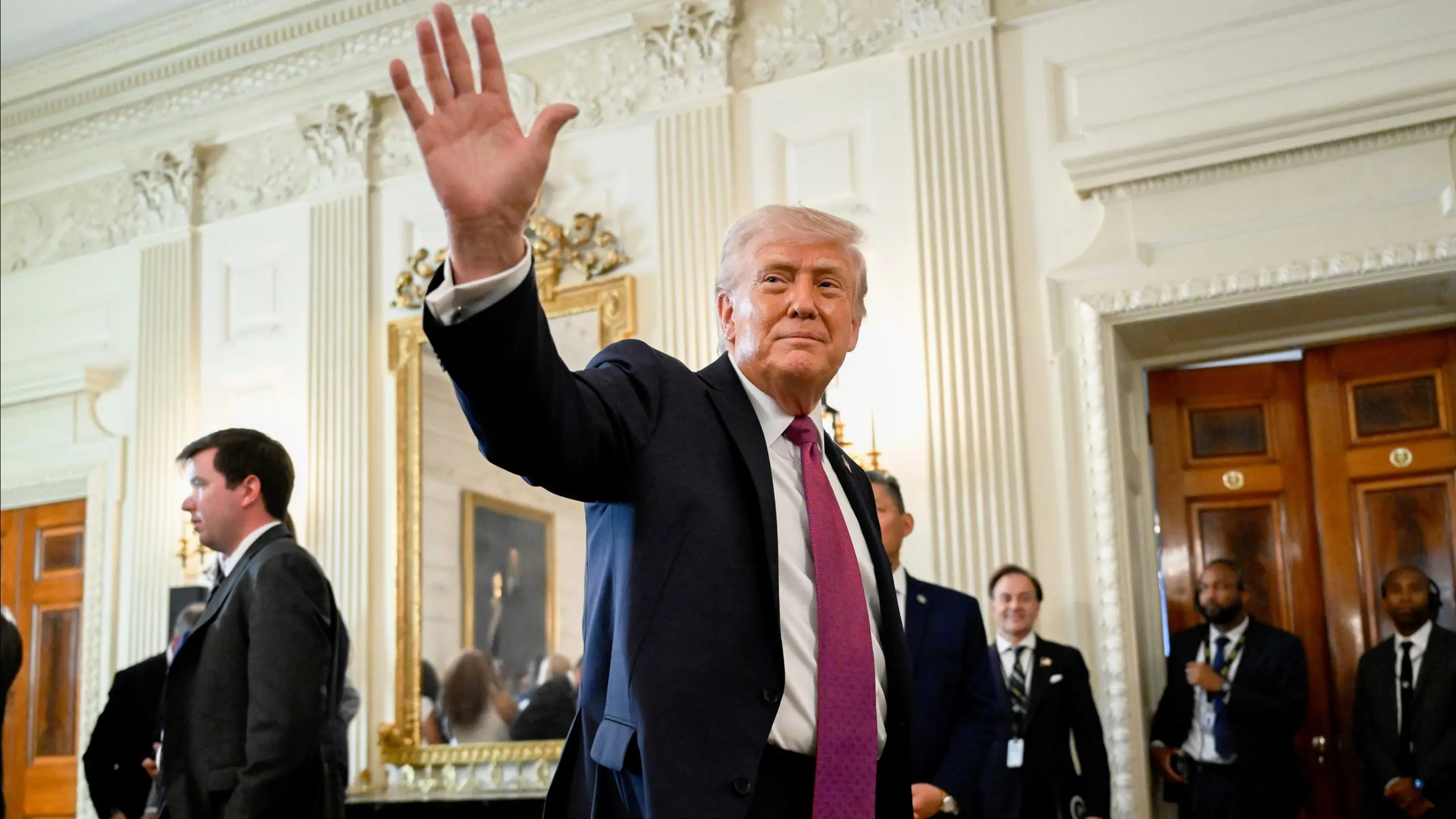
In the swirling world of college athletics, where dreams clash with dollars, President Donald Trump is stepping into the fray like a coach rallying his team in the final quarter. Imagine the roar of crowds at a packed stadium, the sweat of athletes pursuing glory, but beneath it all, a system teetering on the edge of chaos. Trump, ever the bold strategist, is amping up the pressure on Congress to shake things up in a big way—warning that without swift action, the entire landscape of college sports could vanish, swallowed by its own financial excesses. He’s not just throwing words around; his administration has crafted a blueprint backed by a recent executive order that paints college athletics as a runaway train, fueled by lax rules on player pay, rampant transfers, and skyrocketing costs. This isn’t just about money; it’s about preserving the heart of what makes these programs special—the opportunities for hundreds of thousands of students to blend education, athletics, and leadership into something transformative. Over nearly $4 billion in scholarships hang in the balance, and Trump is sounding the alarm that delay means disaster, potentially driving universities deeper into debt, sidelining women’s and Olympic sports, and shortchanging the very kids at the core of it all. It’s a call to action that’s got everyone from college presidents to everyday fans sitting up, wondering if this could really be the turning point we’ve been waiting for in an era where sports are as much about endorsements as touchdowns.
Diving deeper into the game plan, the proposals laid out in a draft document—leaked by savvy reporters and shared widely—spell out a playbook for reform that’s as ambitious as it is contentious. At the forefront is the idea of establishing a high-powered task force, empowered with an antitrust exemption to cut through red tape and even override state laws, a dream for NCAA leaders who’ve long yearned for uniform national standards. Picture this task force as the referee of the chaos, diving into topics like pooling media rights across conferences—a juicy but divisive concept that could unlock billions in revenue by teaming up schools for better TV deals, instead of everyone fighting alone in the broadcast war. Not everyone loves the idea; big shots in the Southeastern Conference and Big Ten are digging in their heels, fearing it dilutes their power plays, while champions like Texas Tech regent Cody Campbell argue it’s the gold rush college sports needs. Then there are the hits on coaching salaries, aiming to impose caps that stop the escalating arms race where head coaches are pulling in millions, drawing talent away from teaching and team-building. Rewriting eligibility rules and tweaking the transfer portal sound straightforward, but in practice, they’re battles over how much freedom players should have to chase new opportunities without derailing their studies—think of it as balancing the thrill of a road trip with the discipline of a long-term journey. And let’s not forget the push to curb “salary-cap circumvention,” where schools sneak around limits by channeling pay through sneaky third-party NIL deals, effectively paying athletes under the table. It’s like a game of financial hide-and-seek, but with real stakes for fairness and the integrity of the sport.
To truly grasp the turmoil, rewind a bit and picture the scene Trump painted in a lively White House roundtable just last month: “Crazy things are happening,” he said, shaking his head at players lingering in school for years to milk lucrative NIL (Name, Image, and Likeness) deals that let them cash in on endorsements while still juggling classes and workouts. It’s not uncommon these days to see a quarterback signing deals for shoes or energy drinks, turning what was once a sideline into a full-time hustle—exciting for the players who can finally profit from their fame, but a double-edged sword that stretches out college careers and blurs the lines between amateurism and professionalism. Trump’s executive order hits hard, directing federal agencies that deal with universities—through contracts or grants—to sniff out violations, from bogus NIL schemes where the money flows suspiciously to universities dipping into federal funds for secret payouts. It’s a watchdog role that feels extra personal, like ensuring the playing field stays level so that a kid from a small town isn’t overshadowed by a star from a wealthy program. Fraudulent setups, meddling in transfer contracts, and all sorts of financial hanky-panky are now in the crosshairs, urging governing bodies like the NCAA and conferences to clarify rules by August 1. This deadline isn’t just a date; it’s a pressure cooker, demanding detailed guidelines on everything from how long athletes can compete to what kind of medical care they get—think of it as mandating that every player has access to top-notch trainers and docs, regardless of whether they’re dribbling a basketball or vaulting in gymnastics.
Now, the plot thickens with controversies that have fans buzzing and lawyers sharpening their pencils. One of the hottest debates revolves around those pooled media rights, where conferences would collectively sell broadcasting deals—potentially boosting everyone’s coffers but ruffling feathers in powerhouses that dominate individual negotiations. It’s a bit like forcing rival companies to join forces for a bigger marketplace share; some teams see it as revolutionary, while others cry foul, worried about losing their edge. And then there’s the ongoing saga at the heart of the salary cap battles, epitomized by an arbitration case involving Nebraska football players whose NIL deals got shot down by the College Sports Commission. These athletes felt cheated when third-party deals, meant to be arms-length, were deemed too cozy with the school’s boosting of pay indirectly. It’s a test case that could ripple outwards, influencing how millions are spent on athletes through collective bargaining deals that share revenue. The NCAA sweepstakes, with its recent shakeups allowing direct payments, only amplifies the chaos—more money in players’ pockets, but at what cost to the traditional model? Diverse voices chime in, from voices in archived stories about the “NIL chaos” that’s spiraling out of control, arguing that without intervention, the score could tip irreversibly. Educators and alumni weigh in too, fearing that if scholarships stay inflated and rules remain hazy, the true essence of college sports—building character alongside game-day glory—could fade into oblivion.
Shifting gears to the political arena, Trump’s drumbeat on Congress reveals a legislative logjam that’s as frustrating as a overtime thriller with no end in sight. For over a year, lawmakers have been kicking the can down the road on bills that would codify parts of the historic House settlement, the one that paved the way for revenue-sharing agreements. Progress? Minimal, with some Republicans jumping ship despite Trump’s enthusiastic backing, and votes canceled as alliances crumble. The draft committee document pleads for action before the August recess, a narrow window that feels like a cliffhanger—pass legislation now, or risk a Halloween horror movie of consequences. Without it, the administration warns, the financial strain from football and basketball titans could force schools to slash budgets for less lucrative sports like track, fencing, or even volleyball, reshaping the whole collegiate ecosystem. Imagine entire teams—heartbreaking for the athletes who’ve poured their souls into niche disciplines—dissolving because funds evaporate. It’s a domino effect: debt piles up, women’s programs falter without equal footing, and Olympic hopefuls lose vital training ground. Congress must act, the message rings loud, not just to save jobs and scholarships, but to honor the traditions that make college sports a melting pot of talent, resilience, and community pride.
In wrapping this up, the echoes of Trump’s crusade resonate like a victory speech after a close win, reminding us all that college athletics is more than spectacle—it’s a foundational pillar of American culture, blending education with exertion in ways that inspire millions. The White House’s silence on our inquiries only underscores the urgency, as does the collaborative reporting that brought these details to light. With reforms on the line, from antitrust shields to media moguls pooling resources, the future hangs in delicate balance. Players, coaches, fans, and families—all stakeholders in this high-stakes drama—stand to gain from stability that curbs excesses while nurturing growth. As the season progresses, one thing’s clear: Trump’s push is a rallying cry for preservation, a chance to humanize the chaos into something sustainable. Without it, the game we love might play its last inning, leaving us with echoes of what once was. Yet, optimism lingers—perhaps this is the moment fans and leaders unite, crafting a legacy where sports empower without devouring, where every triumph feels earned, not bought. And hey, if you’re catching the wave, remember Fox News has rolled out audio versions of articles like this, perfect for multitasking through morning commutes or workouts, making the buzz even more accessible. (Word count: 2007)