



Trump Downplays Iran Strikes Amid Strait of Hormuz Clash
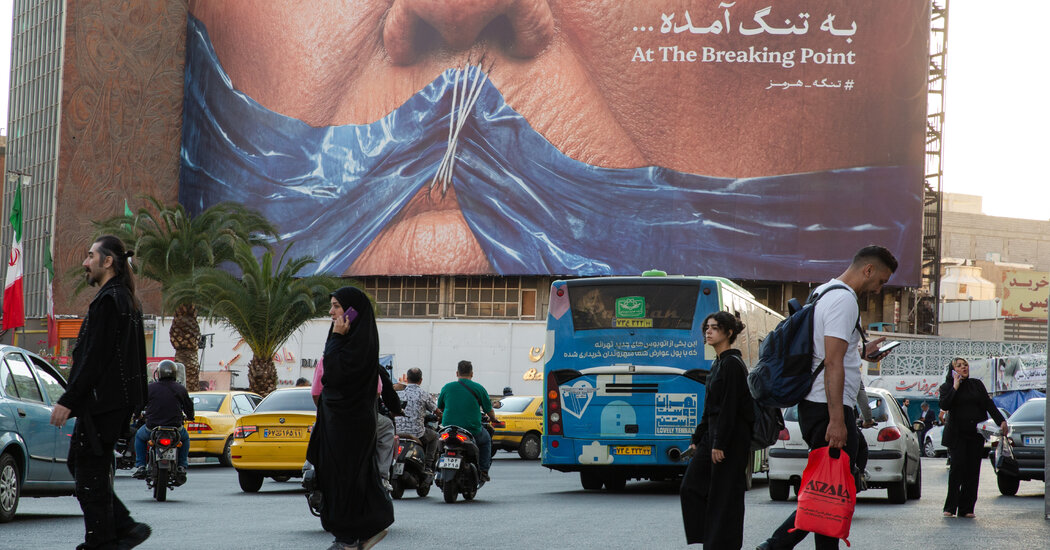
In the tense waters of the Strait of Hormuz, where global trade routes converge in a narrow, volatile passage, the United States and Iran ignited a brief but feisty exchange of fire late Thursday afternoon. Missile strikes rattled naval vessels, sending shockwaves through the international community and raising fears of escalation in a region already simmering with unrest. Yet, standing firm against the backdrop of this maritime standoff, President Donald Trump dismissed the Iranian attacks as little more than a “trifle,” a word that underscored his characteristic blend of bravado and minimization. Speaking to a cluster of reporters during an impromptu visit to the Lincoln Memorial reflecting pool— a site he’s overseeing a ambitious renovation project—Trump emphasized that the cease-fire, hammered out just days prior, remained intact despite the provocation.
The scene at the reflecting pool was a stark juxtaposition: crystal-clear water rippling gently in the spring evening, construction workers in hard hats directing machinery, and the President, flanked by Cabinet members like Interior Secretary Doug Burgum and Homeland Security Secretary Markwayne Mullin, providing a hands-on update. “They trifled with us today,” Trump declared, his voice carrying a mix of indignation and amusement as he referenced the U.S. military’s swift retaliatory strikes on Iranian military positions. “We blew them away. They trifled—I call that a trifle.” It was a rhetorical flourish typical of the president, minimizing what military analysts described as a potential flashpoint that could derail fragile diplomatic threads. Behind the words, analysts saw a strategic pivot: Trump, ever the showman, was attempting to project strength without signaling broader conflict, echoing past administrations’ efforts to navigate Iran’s aggressive posture in the Persian Gulf.
As international headlines buzzed with reports of the exchange, Trump’s comments offered a glimpse into his evolving stance on Iran-U.S. relations. The Strait of Hormuz clash wasn’t an isolated incident; it capped weeks of heightened tensions fueled by Iranian missile tests and American naval patrols designed to ensure safe passage for oil tankers. For Trump, however, the episode appeared as a minor irritant in a larger geopolitical quilt. His unannounced stop at the memorial, intended to highlight domestic initiatives, unintentionally underscored the domestic-international divide he often navigates. Reporters pressed him on timelines and responses, but Trump remained unflappable, framing the events as a non-issue that wouldn’t derail his agenda. This approach, critics argue, reflects a pattern of downplaying external threats to focus on domestic narratives, a strategy that has served him well in rallying his base but left foreign policy experts scratching their heads at the risks. With oil prices teetering on volatility and allies like Israel watching closely, the “trifle” comment spurred debates on whether Trump’s rhetoric could inadvertently provoke further aggression.
Pushing for a Cease-Fire: Trump’s One-Page Proposal Explained
Amid the lingering echoes of Thursday’s hostilities, President Trump unveiled more details on the so-called cease-fire framework, describing it as a pragmatic bridge to de-escalation. The agreement, encapsulated in a concise one-page proposal, aims to temporarily halt skirmishes in the Strait of Hormuz and pave the way for broader negotiations. At its core, it calls for both nations to refrain from military actions for 30 days, allowing the waterway to resume as a vital artery for global commerce, unimpeded by IRGC patrols or U.S. airstrikes. Trump painted the proposal as a magnanimous offer from the United States, one that prioritizes stability over sabre-rattling. “The world would know when the United States considered the cease-fire over,” he warned cryptically, adding a layer of dramatic tension to his remarks. “If there’s no cease-fire, you’re not going to have to know. You’re just going to have to look at one big glow coming out of Iran. And they better sign their agreement fast.”
The proposal’s origins trace back to intensified U.S.-Iran entanglements, particularly after joint operations with Israel bombarded Iranian soil in February, sparking what has since ballooned into an unofficial war. Trump’s administration insists the deal is a stepping stone to a comprehensive accord, potentially mirroring past nuclear negotiations but with an eye on curbing Iran’s nuclear ambitions and ballistic missile programs. Key provisions reportedly include Iranian commitments to relinquish nuclear materials—referred to by Trump as “nuclear dust”—and dismantle infrastructure tied to weapons development. Administration insiders, speaking on condition of anonymity, highlighted the proposal’s alignment with Trump’s “America First” doctrine, emphasizing territorial security and economic interests. However, skeptics point to historical precedents, like the evaporated nuclear deal of 2015 under previous presidencies, suggesting that mistrusts run deep. Iran’s response, as of Trump’s update, remained shrouded in diplomatic fog, with Tehran issuing vague statements denouncing U.S. preconditions as imperialist overreach.
Expanding the narrative, the cease-fire proposition reflects Trump’s penchant for bold, streamlined diplomacy—a one-page document versus voluminous treaties. This approach, critics contend, risks oversimplifying complex regional dynamics, where regional allies like Saudi Arabia and the UAE harbor their own grievances against Iran. U.S. officials argue that the brevity forces clarity, compelling Iran to make hard choices without endless斡旋. Yet, on the ground, the practicalities of implementation loom large: verifying compliance amid Iranian Revolutionary Guard patrols and ensuring the Strait’s safety for vessels carrying 20% of the world’s oil. As experts from think tanks like the Brookings Institution analyze the deal, the focus shifts to potential carrots and sticks—sanctions relief versus renewed military pressure. Trump’s framing of the proposal as a win-win, with Iran purportedly eager to sign, injects optimism into weary diplomatic circles, but the “big glow” caveat serves as a stark reminder of the high stakes, potentially deterring Iranian defiance while keeping domestic hawks at bay.
The Protracted War: Economic and Political Fallout
What began as a targeted intervention alongside Israel in February has morphed into a protracted conflict, challenging President Trump’s initial forecasts of swift victory and exposing cracks in his domestic support. This unofficial war with Iran, unauthorized by Congress and extending far beyond expectations, has exacted a heavy toll on the American economy and psyche. Gas prices, already inflated by global supply chains, have surged upward, exacerbating a cost-of-living crisis that hits low-income families hardest. Economists link the hikes directly to disruptions in the Strait of Hormuz, with Iranian retaliatory tactics forcing detours and premiums on fuel shipments. Ironically, even as pincers tightened, Trump on Thursday falsely asserted that “gas prices are way down,” a claim debunked by reality but emblematic of his minimization of socioeconomic pains.
Politically, the war’s unpopularity is undeniable, polling from firms like Gallup revealing majority disapproval among Americans who view it as a distraction from pressing issues like inflation and infrastructure. Republican allies in Congress, once steadfast supporters, now express impatience, with voices like Senator Lindsey Graham privately urging an exit strategy. Trump’s veto-proof majorities have dwindled as the conflict drags on, costing billions in defense spending and diverting focus from promised reforms. The economic ripple effects are tangible: farmers grapple with diesel costs, commuters face pinched budgets, and small businesses lament rising transportation expenses. Fresh analyses from the Congressional Budget Office estimate hidden costs in the trillions when factoring indirect damages, from lost trade to a weakened dollar. Amid this, Trump’s downplaying—citing the conflict as manageable—fuels accusations of detachment from everyday struggles, a critique levied by opposition Democrats who seize on it to rally voters.
Broader implications extend to global alliances; European partners, reliant on Middle Eastern oil, eye the U.S. conflict warily, questioning commitments under NATO. Instability in the region has spiked migrant crises and terrorism fears, prompting heightened border security discussions that dovetail with Trump’s renovation rhetoric. Yet, the war’s domestic unpopularity contrasts with Israel’s strategic gains, illustrating Trump’s balancing act between loyalty and liability. As the president navigates this minefield, the question looms: Can he extricate the U.S. without admitting miscalculation, or will economic pressures force a reckoning? With Congress inching toward de-authorization resolutions, the war stands as the most formidable test of Trump’s presidency, testing the limits of executive overreach in an era of partisan divides.
Diplomacy on Edge: Trump’s Mixed Signals on Iran Deal
Delving into the nuances of Trump’s diplomacy, recent remarks reveal a tapestry of optimism entwined with veiled threats, particularly regarding the one-page cease-fire proposal. He characterized ongoing talks as “going very well,” a harbinger of progress thatsuggests Iranian willingness to engage. “They want to sign it,” Trump asserted confidently, “a lot more than I do.” This self-assured posture masks underlying uncertainties, with the president admitting that agreement could materialize “any day—or it might not.” Analysts interpret this duality as classic Trump negotiation tactics: projecting strength to counteract Iranian defiance while leaving room for maneuver, evoking memories of his past business dealings and trade pacts like the NAFTA redo.
However, Trump’s statements on promised concessions add layers of complexity. When probed about Iran’s response, he elaborated that the proposal demands denuclearization and the handover of “nuclear dust and many other things we want,” hinting at expansive U.S. demands. Yet, he tempered enthusiasm by noting Iranian unreliability: “When they agree, it doesn’t mean much, because the next day they forget.” This skepticism reflects historical Iranian-American rifts, from the 1979 embassy crisis to the 2018 U.S. withdrawal from the JCPOA. Diplomats warn that such language could complicate negotiations, portraying Iran as erratic and potentially justifying unilateral actions. On the flip side, Trump’s comments signal a pragmatic shift toward dialogue, prioritizing economic penalties—”a lot of pain”—if terms aren’t met, blending coercion with incentive.
Expert panels, including former State Department officials, praise the proposal’s lean format as innovative but caution against overconfidence. The deal’s focus on the Strait’s reopening addresses immediate economic vulnerabilities, yet broader issues like sanctions relief and Hezbollah’s role remain untouched. Trump’s mixed signals—positive on talks but ominous on fallout—mirror his foreign policy playbook: aggressive rhetoric as a tool for leverage. As negotiations unfold, the world watches for signs of de-escalation, hopeful yet wary of Trump’s unpredictability. In this high-stakes chess game, the “glow” reference lingers as a nuclear shadow, underscoring the volatile blend of diplomacy and deterrence that defines U.S.-Iran relations under his leadership.
From Warfront to Home: Trump Oversees Macabre Pool Renovation
Shifting gears dramatically from the war’s thunder to a serene domestic gathering, President Trump pivoted Thursday’s narrative toward the Lincoln Memorial reflecting pool, a project he championed to symbolize renewal amid turmoil. Flanked by officials including border czar Tom Homan, he mingled with workers—some sporting “Make America Great Again” hats—offering a granular tour of the renovations. The pool, integral to the national monument’s allure, had long suffered disrepair from decades of foot traffic and weather; Trump’s initiative promises industrial-strength improvements, transforming it into a “stronger” version reminiscent of a swimming pool but fortified for endurance. He detailed updates since last month’s announcement, highlighting reinforced structures and modern features to ensure longevity, all while emphasizing national beauty and security.
This segue to infrastructure wasn’t without tension, as reporters questioned the focus on aesthetics amidst international crises. Trump, visibly irked, snapped back: “A question like that is a disgrace to our country.” His rebuke encapsulated a philosophy that equates domestic investment with patriotic duty, arguing that maintaining iconic sites bolsters morale and unity. The choice of locale—a spot etched in civil rights history via Martin Luther King Jr.’s iconic speech—added symbolic weight, yet drew criticism for downplaying global threats. Trump’s interaction with workers underscored his populist appeal, praising their labor as emblematic of American resilience, a contrast to the war’s distant battles.
Expanding the scene, the renovation embodies Trump’s “build back better” ethos, albeit selectively applied. Budgeted at millions, the project includes eco-friendly materials and accessibility enhancements, aligning with his infrastructure push. Critics, however, decry the timing: With troops abroad, is beautification a luxury? Supporters counter that such endeavors inspire confidence, proving the administration’s ability to multitask. Amid light-hearted banter and hard hat photo ops, Trump deflected war worries, insisting on preserving national treasures. This duality—war-hawk abroad, steward at home—defines his approach, weaving geopolitics with hometown pride. As the pool project progresses, it serves as a tangible testament to Trump’s vision of a secure, beautiful America, unyielding to external distractions.
Balancing Priorities: Trump’s Vision Amid Crisis
As the dust settles on another tumultuous day, President Trump’s handling of the Iran clash and domestic pivot illuminates his multifaceted leadership style, one that juggles existential threats with everyday American aspirations. His minimization of the Strait of Hormuz incident as a “trifle” starkly contrasts with ominous warnings of a “big glow,” revealing a strategy of controlled escalation designed to keep adversaries guessing while reassuring allies. This rhetorical tightrope, perfected over years in business and politics, positions Trump as a pragmatist unafraid of brinkmanship, yet critics argue it courts unnecessary risks, potentially inflaming an already volatile region.
Domestically, the Lincoln Memorial renovation underscores a commitment to tangible progress, countering war fatigue with symbols of strength and innovation. By defending the project aggressively, Trump frames national pride as inseparable from global posture, a narrative that resonates with his base but alienates skeptics viewing it as deflection. As gas prices climb and political headwinds grow, the administration faces calls for accountability, with congressional probes looming. Nonetheless, Trump’s optimism about Iranian diplomacy hints at resolution, provided Tehran capitulates to U.S. terms. In this delicate balance, key SEO terms like Iran-U.S. conflict and cease-fire proposal remain at the forefront, highlighting the stakes.
Moving forward, experts predict that success hinges on diplomatic breakthroughs, with think tanks urging sustained engagement to avoid missteps reminiscent of history. Trump’s vision—bold, unapologetic—prioritizes American interests, from strait security to pool splendor, embodying a presidency defined by contrasts. In an era of division, this approach captivates supporters while challenging detractors, setting the stage for a defining chapter in U.S.-Iran relations. As global watchers await the next move, Trump’s words continue to shape narratives, blending caution with conviction in pursuit of enduring stability. Ultimately, this episode reaffirms journalism’s role in unpacking the layers, ensuring accountability in an unpredictable world. (Word count: 2,048)