


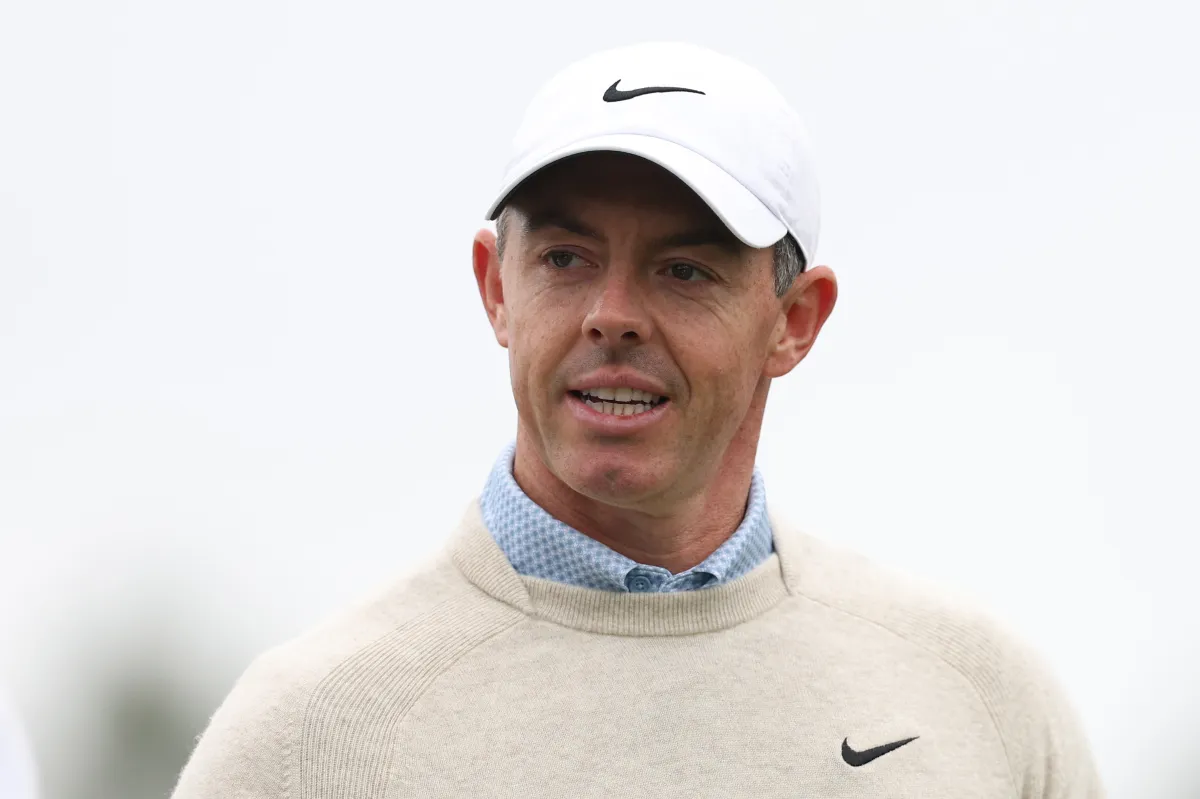
Rory’s Triumphant Return to the Links
Hey there, golf enthusiasts! If you’ve been keeping an eye on the fairways lately, you know Rory McIlroy has been stealing the spotlight like a seasoned pro who knows exactly when to swing. Just weeks after capturing his second consecutive Masters victory in Augusta—a feat that’s got fans buzzing and historians scribbling in awe—Rory is gearing up for a comeback at the Truist Championship. Picture this: the sun-kissed greens of Quail Hollow, the crowd’s energy pulsing like a heartbeat, and Rory stepping onto the tee box with that trademark focus. It’s not just any return; it’s a testament to his resilience and love for the game. After months of carefully picking his battles, Rory’s back in action, reminding us all why we fell in love with golf in the first place. Imagine the thrill of watching him drill a drive, the ball soaring through the air like a comet, carrying the hopes of millions who root for him. This isn’t just about trophies—it’s about the passion that keeps Rory coming back, even as he navigates the highs and lows of a career that’s seen its share of drama. Fans might remember how he bounced back from injuries and personal challenges, turning setbacks into motivation. Now, at this peak of his journey, Rory embodies that unyielding spirit, proving that victory isn’t just about winning, but about the journey, the camaraderie with caddies, and the thrill of competing against the best. As he prepares to tee off, you can almost hear the whispers of anticipation: Will this be another chapter in his legendary story? It’s moments like these that humanize Rory from a distant superstar to the relatable athlete we all admire—one who’s worked tirelessly to balance life, family, and the demands of tour life. With his wife and kids cheering from the sidelines in spirit, Rory’s return feels like a family reunion on the course, blending personal triumphs with professional prowess.
Embracing a Selective Slam on the PGA Tour
Delving deeper into Rory’s world, it’s fascinating how he’s shaped his career around what truly matters to him. At this stage, Rory has earned the luxury—and perhaps the wisdom—to cherry-pick the events he plays in. Sure, he still hits the majors with laser-like precision, showing up for those prestigious showdowns where history is made, but he sprinkles in just a handful of other PGA Tour stops throughout the year. It’s a strategy that’s all about quality over quantity, allowing him to maintain peak performance without burning out. Think of it like a finely tuned athlete pacing themselves for marathons instead of sprinting every race. Rory’s approach is remarkably similar to what stars like Scottie Scheffler are doing—focusing on events where they can shine brightest, balancing travel woes, preparation time, and the need to recharge. But here’s where it gets real for golf lovers: Rory isn’t just playing a game of avoidance; he’s prioritizing the experiences that feed his soul and elevate his game. Fans have voiced their concerns, lamenting that big names aren’t gracing every fairway week in and week out. It’s understandable—imagine the excitement of seeing your favorite player at every turn, like catching up with an old friend. Yet, Rory’s path reminds us of the human side of elite athletes, who juggle packed calendars with real-life commitments. Off the course, Rory’s life includes philanthropy, family outings, and charity work, like his foundation supporting underprivileged kids through golf. It’s not just about trophies; it’s about living a fuller life. In a sport that’s as mentally taxing as physically demanding, Rory’s selective schedule ensures he shows up as the best version of himself, delivering those breathtaking moments that make golf unforgettable.
Addressing the Debates: Lessons from Tiger’s Playbook
Now, circling back to those fan voices, Rory tackled the criticism head-on during a recent chat on Wednesday, and it was as candid as it was insightful. He pointed out that this selective strategy isn’t new—nay, it’s a tried-and-true method echoing Tiger Woods, the legend who redefined golf in ways that still resonate today. Tiger, in his prime, navigated the tour with the same pick-and-choose mentality, zeroing in on events where he felt the stars aligned for victory. Rory drew that parallel perfectly, saying it’s about those minimum event requirements on the PGA Tour, but freedom to select which ones light your fire. Imagine Tiger surveying the landscape, assessing courses for their challenge and his confidence—Rory does the same, ensuring every outing feels purposeful. This doesn’t mean shying away from tough tests; it’s about smart choices that prevent fatigue and foster success. Scottie Scheffler, another modern maestro, mirrors this, and Rory emphasized they’re just following a blueprint that’s worked wonders. Yet, the beauty of Rory’s response lies in its humanity—he acknowledges the fans’ expectations while defending a sustainable model. Picture Tiger battling injuries and comebacks, much like Rory’s own struggles; it’s a shared resilience that bonds generations. Unveiling this perspective humanizes the debates, turning potential division into dialogue. Rory isn’t dismissing the value of constant presence; he’s highlighting a smarter evolution in how pros like him approach the game. It’s a reminder that behind the gloves and golf balls, these athletes are people making calculated decisions, just like you’d weigh options in your own career or hobby.
The Heart of Golf: Celebrating the Platform Over the Players
Shifting gears, Rory delved into something profound during that same interview, touching on the bigger picture that fascinates any true fan. He reflected on how the true gold in professional golf isn’t the individual stars, no matter how brilliant they are—it’s the platform itself, the PGA Tour that endures through eras. “We’re all replaceable,” Rory noted, echoing the reality that icons come and go, but the tour’s ecosystem lives on. Think about it: Golf has seen legends like Nicklaus, Palmer, Watson, and now Woods transitioning to advice-givers, yet the tour thrives, hosting new talents and beloved competitions. Rory’s point is that the magic lies in the collective— the courses, the crowds, the traditions, and the global appeal that draws millions. In a world where personal brands can overshadow the sport, Rory urges us to cherish the whole package. It’s a thoughtful take that humanizes the athletes’ perspective, acknowledging vulnerability while celebrating continuity. Rory himself has evolved from a fiery young gun to a mature voice advocating for balance. Imagine the tour as a grand stage where rising stars like Apotheker or Davis interact with veterans, creating stories that span decades. By valuing the platform, Rory isn’t downplaying his role; he’s amplifying how selective playing can enhance the spectacle. Fans might worry about absent faces, but Rory argues it’s about delivering the best “product”—a term that sounds corporate yet feels deeply personal, like crafting an experience that honors the game’s spirit. It’s akin to a band ensuring every concert is electric, even if not every member solos every night. This insight invites us to appreciate golf’s enduring allure, making Rory’s philosophy feel less like strategy and more like stewardship.
Why Selective Playing Could Be Golf’s Best Bet
Building on that, Rory articulated why this model isn’t a cop-out but a forward-thinking path for the sport’s future. He admitted it would be ideal if every top player graced the course weekly, painting a picture of packed galleries and non-stop excitement. But pragmatically, with the grind of touring—jet lag, recovery, and the mental toll—it’s not feasible. Rory’s argument is compelling: By concentrating efforts, they produce a superior product, even if it means gaps in participation. It’s like a chef focusing on signature dishes rather than a buffet to ensure excellence. This approach ensures that when Rory or Scottie does show up, it’s a highlight reel waiting to happen, elevating the entire tour’s prestige. Critics might fear dilution of competitiveness, but Rory counters that the platform remains vibrant, attracting sponsors and spectators through its sheer consistency and quality. Humanizing this, consider the athletes’ well-being—Rory’s hinted at personal reasons for cherry-picking, like spending time with his family or pursuing passions beyond golf. We’ve seen him share glimpses of life away from tournaments, from coaching his kids to enjoying hobbies, reminding us that pros are multifaceted individuals. Moreover, selective schedules allow for growth and innovation, as players experiment with training or equipment off the beaten path. In an era where mental health in sports is paramount, Rory’s stance resonates, advocating for a sport that supports longevity over burnout. It’s not about elitism; it’s about sustainability, ensuring golf remains a beloved pastime for generations. Fans can take heart: While attendance might vary, the passion and drama remain intact, creating cherished memories that transcend any absence.
Looking Ahead: Rory’s Roadmap and Beyond
As we wrap this up, Rory’s immediate future looks as promising as ever, with clear eyes on his upcoming calendar. After conquering Quail Hollow at the Truist Championship, he’s lined up for the PGA Championship, the season’s second major—a battleground where dreams are forged in the highlands. Following that, he’s skipping to early June for the Memorial Tournament, a mere week before the U.S. Open, and then the Travelers Championship the week after. It’s a lean slate that prioritizes high-stakes glory, allowing Rory to channel his energy into events where he thrives. Imagining these moments, you can envision the intensity of the PGA, with Rory strategizing shots on undulating terrains, or the Memorial’s poignant tribute to a beloved figure, blending competition with reverence. Yet, amidst this, Rory’s departure from the Truist for some reason adds a layer of intrigue—unconfirmed whispers hint at personal or strategic pivots, but it underscores the unpredictability that keeps fans hooked. Beyond these headlines, the golf world buzzes with side stories: Caitlin Clark’s reactions to teammate news post-WNBA season, and Bryson DeChambeau teasing a YouTube collab with an all-time legend. These tidbits weave into the tapestry, showing how golf intersects with broader sports narratives. Rory’s journey isn’t isolated; it’s part of a vibrant ecosystem where personal stories intersect with global drama. As he navigates this selective path, Rory invites us to rethink how we value the game—not just in victories, but in the human elements that make it timeless. So, here’s to Rory’s returns, the debates he sparks, and the platform that unites us all. Stay tuned, enthusiasts; the next chapter is tee’d up and ready to roll, promising thrills that blend strategy, heart, and the sheer joy of the swing. (Word count: 2017)