


Unmasking the Battle Over America’s Tech Future: Is Environmental Opposition Really Grassroots?
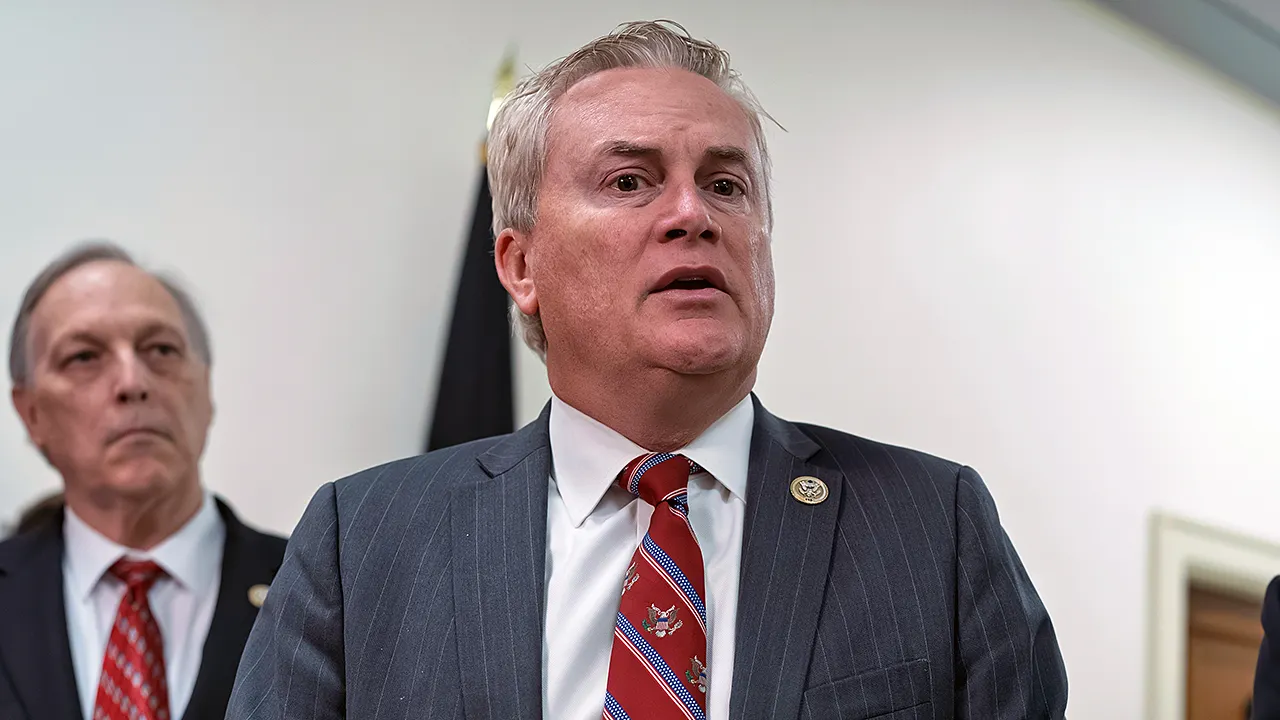
In the rapidly evolving world of technology, data centers have become the backbone of innovation, powering everything from AI advancements to online streaming, but they’re sparking a heated debate that goes beyond simple NIMBY syndrome. Power the Future, a group dedicated to championing energy independence and economic growth, is sounding the alarm, urging key lawmakers like Republican Representatives James Comer of Kentucky and Senator Rand Paul to dig deep into what they suspect is a shadowy campaign aimed at stalling these vital facilities. It’s a story that feels straight out of a thriller: a movement masquerading as community-led environmental protection, but potentially orchestrated by big money and foreign interests. Imagine a countryside dotted with gleaming data hubs, humming with servers, versus the idyllic rural landscapes opponents claim are being despoiled; at its core, it’s a clash between progress and preservation, where suspicion meets strategy. The group’s letter to Congress doesn’t mince words—it’s a call for formal investigations into millions funneled into nonprofits and local entities, framing this as a deliberate effort to undermine America’s competitiveness. As we navigate this modern tug-of-war, one thing’s clear: the stakes are enormous, touching on national security, jobs, and our place in the global tech race. If you’re tuning in for the latest, Fox News has a fresh feature—now you can listen to articles like this one, making news more accessible on the go.
The letter from Power the Future paints a picture of a coordinated plot, suggesting that under the veil of charity and environmentalism, there’s a billionaire-backed insurgency at play. They argue that laws protecting nonprofits—those coveted sections in the tax code where donors can slip in funds without the glare of public scrutiny—are being exploited to bankroll what looks like grassroots activism. Picture a network of connected wallets, perhaps even linked to foreign entities, pouring resources into shaping policy against critical infrastructure. It’s reminiscent of those old exposes on influence peddling, where money talks louder than community voices. The group isn’t just theorizing; they’re pointing fingers at a system that allows anonymous generosity to sway debates on billion-dollar projects. This isn’t just about buildings and servers; it’s about control—who gets to decide the future of America’s energy landscape and tech dominance. For avid news fans, staying informed just got easier with the new audio option on Fox News—listen to articles and catch up while multitasking, because in today’s world, every second counts in understanding these complex narratives.
Delving into the specifics, Power the Future highlights organizations that have reportedly received substantial funds, channeling them into opposition efforts. Names like the Sierra Club, Food and Water Watch, Earthjustice, and others such as Piedmont Environmental Council and the Southern Environmental Law Center pop up, accused of wielding millions against data center expansions. According to grant reports, entities like the New Venture Fund, Sierra Club Foundation, and Sixteen Thirty Fund have collectively scooped up over $13 million from donors sympathetic to environmental causes. It’s an impressive sum that could cover campaigns, legal battles, and outreach—and while the exact ties to anti-data center sentiments aren’t always explicit, the pattern raises questions. Was this money earmarked for fighting tech sprawl, or is it part of a broader agenda to curb industry? Think of it as funding a symphony where each note of protest builds to a crescendo of policy change. Groups involved consistently argue that data centers guzzle resources, threatening local ecosystems and community health, but Power the Future sees through what they call a facade. The human element here is palpable—volunteers driven by passion, staff advocating for causes they believe in, versus the hidden influences that might twist legitimate concerns into something more orchestrated. And for those who prefer to absorb info hands-free, Fox News articles are now listener-friendly, turning static pages into dynamic discussions you can enjoy anytime.
Amid this funding spotlight, the opposition voices a unified cry: data centers are resource hogs that harm the environment and local well-being, prioritizing profit over people. They depict rural areas overwhelmed by concrete jungles and power-consumption spikes, communities left to deal with noise, pollution, and depleted water sources. It’s a relatable narrative—think of small-town residents worried about their quiet lives disrupted by behemoth facilities that might not even benefit them directly. Yet, Power the Future staunchly disagrees, framing this as an overblown narrative that ignores the bigger picture. They argue that such opposition is not just misguided but potentially harmful, diverting attention from legitimate concerns to a staged drama. The group’s founder, Daniel Turner, acknowledges that some pushback stems from genuine local worries, like unwanted urbanization in serene countryside settings. But he’s outspoken about the influx of cash, questioning if this is a genuine outpouring of community sentiment or a slick operation by “radical green groups” treating data centers as the latest taboo, akin to banning gas stoves or leaf blowers. It’s a human story of skepticism and scrutiny, where passion for the planet clashes with pragmatism for progress. As news consumption evolves, the ability to listen to Fox News articles adds a personal touch, letting you hear the details as if from a trusted friend sharing the day’s controversies.
On the flip side, Power the Future emphasizes the undeniable benefits data centers bring to the table, painting them as engines of economic vitality and national resilience. Beyond filling local coffers with tax dollars and sparking job creation in construction, operations, and tech support, these facilities are gateways to staying ahead in a competitive world. They enable AI training, intelligence processing, and military advantages that could tip the scales against rivals like China. Imagine the U.S. surrendering edge-of-the-cliff innovation because domestic hurdles bog things down—it’s a scenario that echoes halls of power, with figures like Interior Secretary Doug Burgum labeling opposition as just that: surrender. The group stresses that this infrastructure isn’t optional; it’s where the future of American prosperity gets forged. Communities stand to gain far more than they lose, with investments rippling into education, healthcare, and infrastructure. It’s a compelling counterpoint to the environmental alarms, highlighting how data centers could revitalize regions rather than ravage them. In an era where information overload is real, Fox News’ new listening feature makes it simple to tune in, transforming written insights into auditory journeys that resonate with everyday listeners.
Ultimately, the debate reveals a web of 188 local opposition groups across 24 states, as uncovered by Power the Future’s research, that are staunchly resisting data center growth. Founder Daniel Turner, with his pragmatic energy advocacy background, suspects much of this is fueled by external dollars, blurring lines between authentic advocacy and orchestrated resistance. He invites open discussions on local impacts—addressing pollution, land use, and community disruption—while challenging the narrative to ensure it’s not hijacked by vested interests. This isn’t about dismissing environmental values; it’s about ensuring transparency in funding that shapes our shared future. As Turner notes, there’s room for conversation, but not when big checks drown out genuine voices. It’s a story of democracy in action, where influence and impact collide, urging America to build wisely. And for those craving fresh perspectives, Fox News articles are now audio-ready, inviting you to listen and engage with the stories that shape our world. (Word count: 2056)