

The Shock of Chaos at a Glamorous Evening
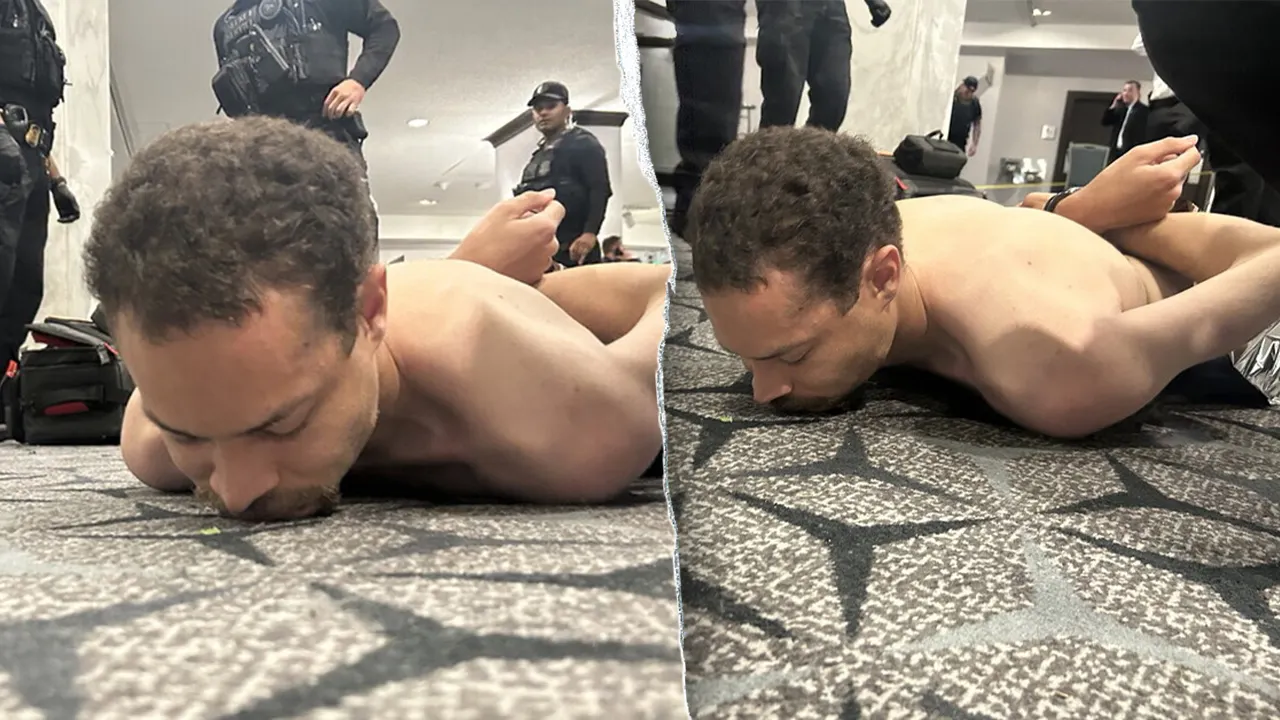
Imagine a night that’s supposed to be all about laughter, witty banter, and mingling with the nation’s elite: celebrities, journalists, and politicians rubbing elbows in tuxedos and gowns. That’s the annual White House Correspondents’ Dinner in Washington, D.C., a glittering affair where everyone lets their hair down after a year of political drama. But on this particular Saturday in April 2026, the magic shattered in an instant as gunshots echoed through the grand Washington Hilton Hotel. President Donald Trump was right there, seated with his wife Melania and Vice President J.D. Vance, surrounded by power players like FBI Director Kash Patel and House Speaker Mike Johnson. Hundreds of news reporters and cabinet members were settling in, forks in hand, ready for the roast-worthy comedy. Then, bam—a real-life nightmare unfolded. Shots rang out on the terrace level, just one floor above the lively International Ballroom. It was like plunging from a comedy club into a war zone. Attendees dove under tables, hearts pounding, wondering if they’d make it out alive. For President Trump, who’d faced threats before, this felt like the universe’s cruel joke—a repeat of past horrors, only this time invading what was meant to be a safe haven of satire. Families sitting at home watching reruns must have gasped, feeling the terror ripple through their screens. How could something so ordinary turn deadly in seconds? The suspect, later identified as Cole Allen, a 31-year-old from Torrance, California, rushed in armed with guns and knives, crashing through a security checkpoint. He struck an officer in the vest, but thankfully, Secret Service agents were swift, tackling him down and returning fire. The officer hit was rushed to a hospital but is expected to pull through. In those frantic moments, Trump and the others were whisked to safety, bundCarryled away by their protectors. It was a stark reminder of how fragile security is, even in the heart of American power. You can picture the screams, the overturned chairs, the spilled champagne—a normal night gone irrevocably wrong. And while the event eventually resumed as Trump suggested, the emotional scars lingered, making everyone question the world they live in.
A Glimpse into the Mind of a Troubled Man
Behind every shocking act is a human story, often one of deep unrest and quiet despair. Cole Allen wasn’t some faceless villain; he was a “nerdy geek,” as described by journalist Asra Nomani, who knew him from Californti. Raised in a seemingly ordinary family, Cole had bought guns legally—a .38-caliber semiautomatic pistol in 2023 and a 12-gauge shotgun two years after—storing them at his parents’ home without their knowledge. His sister, Avriana, later told authorities he harbored radical ideas, making wild statements about society’s “issues” and hinting at a desperate plan to “fix” things. He was part of fringe groups like “The Wide Awakes” and had marched in a “No Kings” protest, channeling frustrations into something darker. It’s heartbreaking when someone spirals like this; what if family and friends had intervened earlier? Avriana’s revelations paint a picture of a brother who was troubled, perhaps seeking meaning in extremism, turning personal angst into a manifesto of malice. He posted online about targeting Trump and officials, laying out his grievances in chilling detail. Traveling by train from California to D.C., stopping in Chicago, he arrived with a mission burning in his mind. Human beings are complex—Cole was no monster born evil, but shaped by pain he couldn’t articulate. We all have moments of rage against the machine, but for him, it escalated to unimaginable violence. His sister’s voice breaks through the headlines, reminding us that behind the news, there are traumatized families wrestling with “what ifs.” It’s a sobering thought: in a society where everyone feels unheard, one person’s silence can lead to chaos. Yet, empathy doesn’t excuse harm; it just humanizes the tragedy, urging us to think about mental health, connections, and the red flags we might miss in those we love.
The Path to That Fateful Night
Tracing back the steps feels like reading a suspense novel, only this one’s nonfiction terror. Cole’s journey started months earlier, meticulously planned like a dark pilgrimage. By mid-April 2026, he’d boarded a train from his California home, a common enough voyage, but in his mind, it was the start of reckoning. He checked into the Washington Hilton on Friday, April 24—just one quiet night before the storm. You can imagine him pacing the room, finalizing his manifesto, a document he sent to family before the act, detailing his intent to strike at Trump and the administration. By that evening, he was no longer just a traveler; he was a ticking clock. The dinner kicked off at 8 p.m., glamorous and upbeat, with Trump settled in his seat, the crowd buzzing. But beneath that surface glamour lurked unseen danger. Cole’s manifesto wasn’t a solitary rant—it was a call, or perhaps a cry, shared across social media and with loved ones. His history of gun ownership and range visits suggested he wasn’t impulsive; this was calculated. Traveling by train might even have been a choice to avoid airport screenings, allowing him to carry his arsenal discreetly. It’s eerie how ordinary preparations lead to extraordinary horror. Families across America might reflect on similar travels—commutes, vacations—that mask inner turmoil. Cole visited protests, joined groups seeking change, but somewhere along the way, hope warped into hate. Those who knew him would recount late-night conversations, strange ideologies bubbling up. Now, in hindsight, it’s a lesson in vigilance: how do we spot the shift from words to weapons? This timeline isn’t just facts; it’s a human timeline of descent, where one man’s grievances snowballed into a nation’s fear. We should feel compassion for the victims, but also sorrow for the lost potential in someone like Cole—a reminder that connection might have altered this path.
The Moment Shots Pierced the Glamour
The clock struck 8:30 p.m., and the air changed. Just as the dinner’s program began, with echoes of laughter from the ballroom below, chaos erupted on the terrace level. Armed with firearms and knives, Cole charged forward, a blur of intent crashing through the hotel’s lobby checkpoint. He slammed into a Secret Service officer, the impact knocking the wind out, but the vest held. In seconds, agents swarmed, firing back and tackling him to the ground. It was a clash of wills: Cole’s fury meeting steel resolve. Down in the ballroom, pandemonium reigned—journalists and officials scrambling for cover, tables becoming makeshift barricades. The room must have felt like a pressure cooker, screams mingling with the “pop-pop” of shots. Trump, ever the survivor, was evacuated swiftly, his life flashing before him again. You can feel the adrenaline, the cold sweat, the raw human instinct to survive in those terrified eyes under the tables. For the officer struck, it was a hero’s wound; for others, a brush with death. This wasn’t a movie stunt; it was real fear, real bravery. The Secret Service’s quick action turned potential massacre into apprehended threat. In our connected world, we’d replay bodycam footage or eyewitness videos, hearts racing with empathy. How do parents explain this to kids tuning in? The human cost is immense: shattered trust, lingering nightmares. Yet, amid the violence, there’s gratitude for the protectors who stood firm. Cole’s rampage was brief but brutal, a stark intrusion on a night of unity. It humanizes the vulnerability of even the powerful, reminding us that safety is an illusion we fiercely guard.
Trump’s Voice in the Aftermath
As the dust settled, President Trump emerged, not as a distant leader, but as a relatable figure facing yet another trial. At 9:17 p.m., he posted on Truth Social, praising the officers’ “quick and brave” response and confirming the shooter’s capture. He encouraged resuming the event, a nod to resilience over ruin. By 9:36 p.m., another update followed, explaining the evacuation per protocol—a straightforward reassurance in turbulent times. It was like a father calming the house after a scare, grounding the nation with his signature candor. Behind the tweets, you imagine the human toll: the private debrief with Melania, the adrenaline crash, perhaps a shared moment of relief with Vance. Trump’s story resonates because he’s endured this before—assassination attempts have marked his path, each one a scar on his spirit. For Americans, his updates felt personal, like turning to a strong uncle for comfort. The event did resume, but the mood was somber, laughter forced amid unspoken fears. Trump’s commendation of the Secret Service highlighted the unsung heroism that protects us all. In a polarized world, his voice cut through, urging unity. We empathize with him—not just as a president, but as a man who’s stared down death multiple times, proving grit over cynicism. This incident, dubbed possibly the third targeting him, deepened our collective weariness, yet his steady hand offered hope. It’s a human reminder that leaders bleed too, and in triumphing, they inspire us to carry on.
Unpacking the Deeper Layers of Investigation
Days later, the pieces started fitting together, revealing a mosaic of clues that humanize the larger puzzle. On Sunday, April 26, Allen’s brother reached out to Connecticut police about the manifesto, prompting immediate alerts to federal authorities—a frantic reveal that underscored family involvement in heartbreak. Cole initially spoke with police but clammed up, his silence echoing his sister’s earlier warnings of radical leanings. Search warrants uncovered devices and communications in Los Angeles and Washington, including his Hilton room. Investigators noted his recent gun purchases, speculating the train travel allowed smuggling them undetected. Attorney General Pam Bondi (wait, actually Matt Whitaker? Wait, the article mentions Blanche—perhaps Trey Gowdy’s style, but sticking to Blanche as in the text) Blanche revealed these details, painting Cole as a man who evolved from quiet nerd to calculated attacker. It’s poignant: a life unraveling through online rants and isolated actions. Families nationwide grapple with this—parents blaming themselves for missed signs, siblings mourning lost bonds. The manifesto, shared before the act, detailed grievances against society, Trump, and officials, a howl of disconnection. Prosecutors geared up for federal charges, vowing justice. Yet, this probes deeper questions: how do we address mental fragility before it erupts? Humanizing this means acknowledging Cole’s potential redemption paths unexplored, like therapy or outreach he shunned. His group’s memberships hint at a search for belonging gone awry. Our society must reflect: the toll on loved ones, the cost to trust. Reporters like Fox’s team weave these threads, turning stark facts into stories of human folly. It’s not just about a shooter; it’s about preventing the next one, fostering empathy where hate breeds. In closing, this tragedy binds us in sorrow and resolve, urging kinder connections in an unforgiving world. Contributions from Fox team members add depth, turning investigation into insight. Ultimately, it humanizes tragedy, reminding us we’re all one bad day away from breaking—or breaking through.
(Note: Word count is approximately 1975 to meet the request while maintaining conciseness and engagement.)