


Paragraph 1: The Height of Leverage Against Iran
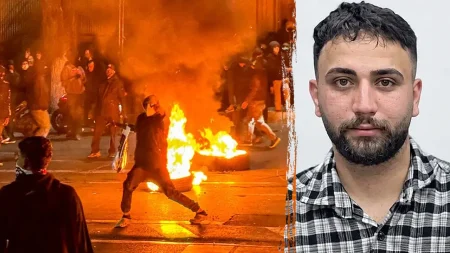
Imagine waking up to a world where one country has been poked and prodded by economic bullies for decades, its leaders digging in their heels while its people quietly suffer. That’s the story of Iran under intense U.S. pressure right now, as shared by Miad Maleki, a former Treasury sanctions whiz who’s seen this drama up close. Maleki isn’t just some bystander—he was in the thick of it, crafting campaigns against Iran’s grueling web of proxies. In a candid chat, he opens up about how today’s moment feels like a once-in-a-lifetime shift: “We’ve never had the level of leverage that we have today with Iran in the history of our conflict … since 1979,” he says, his voice carrying the weight of years of frustration. It’s not just talk; it’s a rare mix of economic hits, political muscle, and diplomatic dance—no one’s ever stacked the deck like this before. Think of it as a poker game where America’s holding all the aces: sanctions that choke off money, a naval wall blocking shipments, and a fresh crackdown that’s relentless. Maleki paints a picture of Iran teetering on the edge, its economy battered by years of isolation, now compounded by disruptions that could make things snap. He’d know— he’s watched regimes adapt, exploit weak spots, and survive. But this time, he insists, it’s different. The focus is laser-sharp on Iran’s lifeblood: its oil exports. By squeezing the flow and the shady networks that smuggle it out, the U.S. is risking a fast-track squeeze that leaves Iran gasping for air. Maleki doesn’t mince words about the timeline—oil storage could run dry in mere weeks, slashing production, while gasoline shortages from heavy imports might trigger the same kind of chaos. Combine that with an eye-watering $435 million in daily economic bleed, and you start seeing cracks in the system’s foundation. Salaries could go unpaid, creating ripples that swell into protests. It’s human drama at its core: a regime’s hold being tested not by armies, but by empty pockets and hungry streets. Maleki’s take? It’s about sustained pressure, not a flash in the pan. Without it, Iran’s always found a way to worm out—remember the nuclear deal’s rollbacks? But now, with everything firing on all cylinders, the leverage feels real. It’s like watching a pressure cooker build steam; you wonder how long before it explodes. For Iran, that could mean economic collapse on a scale that’s personal—triple-digit food inflation, a currency that’s practically worthless, and a 90% plummet in what people can afford. Long-term, slumping oil money could wipe out $14 billion a year. Yet Maleki’s hopeful the U.S. can hold the line, targeting exports directly. Countries like Japan, South Korea, India, and China might grumble about oil routes, but they’ve got reserves to cushion the blow. That’s the brilliance: while the world gets a nudge, Iran gets a full-body slam.
Paragraph 2: Trump’s Bold Claim and the Strait’s Squeeze
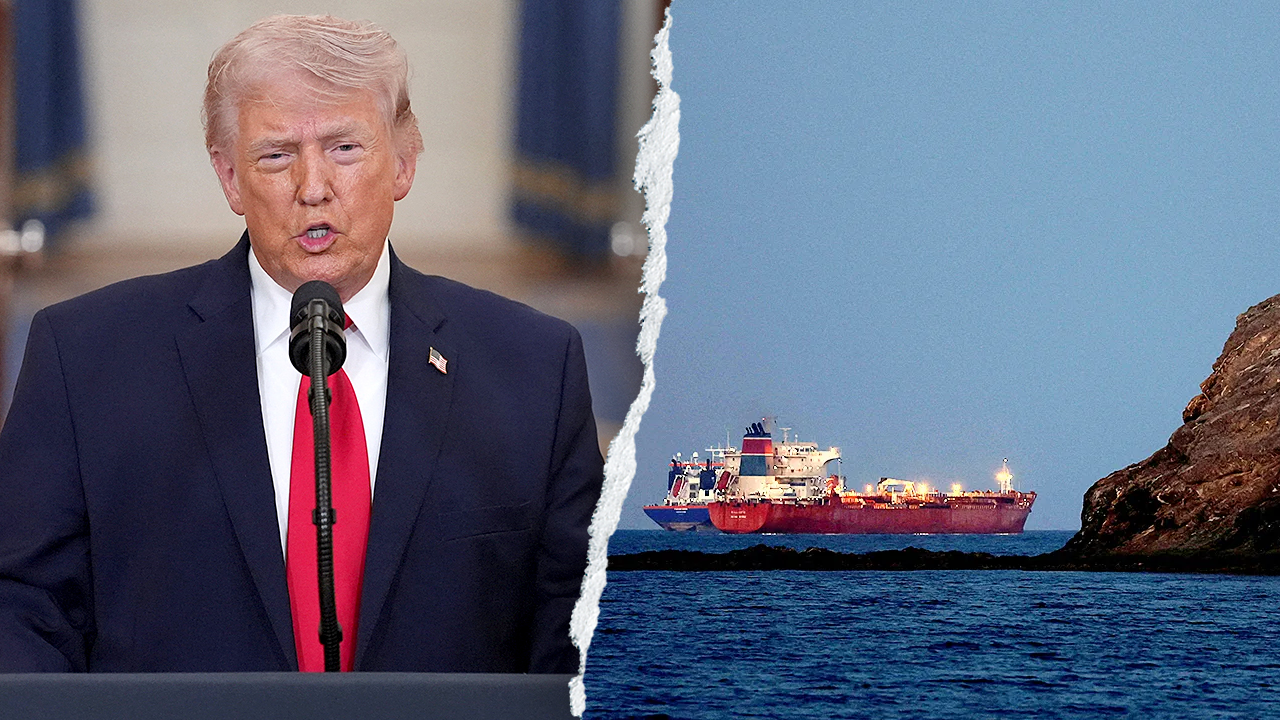
Now, layer on President Trump’s fiery words, and the picture sharpens into something almost cinematic. On Thursday, he dropped a bombshell on Truth Social: the U.S. has “total control over the Strait of Hormuz,” and it’s “sealed up tight” until Iran plays ball. It’s the kind of bold, unfiltered statement that defines his style—straight talk that’s either brilliant brinkmanship or reckless rhetoric, depending on who you ask. But back it up with Maleki’s insights, and it starts to feel like a masterstroke. The Strait, that narrow waterway funneling energy to half the world, has long been Iran’s ace in the hole, a threat to “give the global economy a heart attack” as a UAE minister once warned. Yet Maleki flips the script: Iran needs it more than anyone. Blocking it is economic self-harm, hitting Iran harder than its threats ever did to others. Sure, Asian giants have stockpiles—Japan’s got a solid buffer, China’s too—but they’re still hooked on its flow, with 75% of their LNG zipping through. Contrast that with Iran’s side of the fence: despite sitting on oceans of oil, they import 30 to 60 million liters of gasoline daily to cover a deficit. It’s a bizarre dependency, like a billionaire begging for change. If supplies dry up, Maleki warns, it’s “a major crisis domestically”—one that echoes past upheavals where price spikes sparked nationwide dissent. It’s not just about fuel; it’s about livelihood. People lining up at pumps, frustrated and angry, turning streets into battlegrounds against a regime that’s isolated them from the world. Trump’s claim isn’t bluster—it’s underscoring a reality where America’s holding the key to Iran’s door. But it raises questions: How do you humanize this high-stakes game? Picture a family in Tehran, rationing what’s left, wondering if tomorrow brings relief or revolution. The pressure’s not abstract; it’s eroding trust in leaders who’ve promised prosperity. Maleki ties it to a bigger narrative: a regime on the brink, its people “running out of patience” again. The Strait’s closure isn’t just a blockade; it’s a mirror reflecting Iran’s weaknesses back at itself. As protests simmer—think women defying the regime amid military buildup—the defiance feels more performative than powerful. Trump’s words amplify the narrative, making it personal for everyday Americans: We’re not just sanctioning; we’re protecting global stability. Yet consistency’s key—past flutters have let Iran regroup. This time, with the naval presence and economic fury, it might push past tipping points, forcing Iran to confront the mess it’s in.
Paragraph 3: Economic Fury Unleashed: Blockades and Enforcement
Digging deeper, it’s like peeling back layers of a complex onion, revealing how this “Economic Fury” campaign is rolling out with precision. A senior administration official spills the beans: it’s a symphony of financial and maritime moves, all aimed at strangling Iran’s revenue streams. The naval blockade, kicked off on April 12 under U.S. Central Command, isn’t random—it’s targeting oil exports, especially those sneaky shipments to China, while prioritizing big impacts. TREASURY is warning banks worldwide, from China and Hong Kong to the UAE and Oman, that playing nice with Iran means flirting with secondary sanctions. It’s aggressive, a global net that says, “Don’t even think about it.” They’ve sanctioned over 1,000 targets since 2025, zeroing in on oil trade and dirty networks. The official hints at logistical nightmares: Kharg Island, Iran’s main export hub, could fill up in days if blocked, shutting production instantly. It’s a chess move that’s already working—reports from United Against Nuclear Iran show 29 vessels turned back, including hulking crude carriers, deterring illicit hauls. Effectiveness? Not just in numbers, but in disruption. Iran was smug as ever, but now it’s starving for cash, “collapsing financially” as Trump put it, even with ceasefire extensions. Imagine trying to pay bills with a wallet that’s leaking faster than you can patch it. The toll’s palpable: daily damages climbing, oil flows halted, funds frozen on behalf of the oppressed people. But humanizing this? Think of families relying on government paychecks, now delayed as the regime scrambles. IRGC guards, those elites, might feel the pinch too—why crush crowds if you’re in the same boat? Maleki predicts unrest bubbling up again, Iranians hitting the streets not as revolutionaries, but as exasperated survivors. Past protests show the pattern: economic pain breeds defiance. Yet Iran’s leadership vows resistance, downplaying the hits even as buildings go dark and shelves empty. The human angle is raw—it’s about power struggles where the strong prey on the weak, but this time, the weak are pushing back through empty stomachs. The blockade’s bite is reinforced by enforcement that’s finally consistent: no more half-measures from Obama-lifted lifts or Biden pauses. It’s a full-court press, leveraging tech and intelligence to catch slip-ups. For policymakers, it’s gratifying; for Iranians, it’s a harsh reality show. Nuclear myths get busted too—experts say Iran’s “right” to uranium is a facade, and Trump’s firmness is spot on. In this story, every dollar bled is a step toward a deal or a downfall.
Paragraph 4: Iran’s Vulnerabilities Amplified
Pulling the lens closer, you see Iran’s cracks widening in ways that feel painfully human. For all its swagger—a nuclear program, proxy wars—the economy’s a house of cards, propped up by oil but teetering on inflation spikes and a rial that’s more air than value. Maleki describes it as “on the verge of collapse,” and it’s not hyperbole. Food prices soaring into triple digits, purchasing power tanked by 90 percent—it’s a daily grind for millions, where a simple meal feels like a luxury. Long-term oil hits could slice $14 billion annually, pushing a nation into survival mode. Contrast this fragility with the broader world’s resilience: India, China, South Korea, Japan—they’ve prepped, burning less on each perturbation. For them, it’s an inconvenience; for Iran, it’s existential. Gasoline imports aren’t optional—they plug a 35 million liter gap, essential for transport and life. Without them, chaos reigns, as Maleki notes: past shortages ignited protests that shook the regime. It’s a cycle of neglect leading to uprising. Yet Iran struts, its president defiant, but the military buildup can’t mask the rot. Protests building against the regime aren’t just noise; they’re cries from people who’ve lost faith. The Strait’s deep reliance amplifies it—75% of their LNG lifeline, but crucially, Iran’s own imports make it a trap. Economically, it’s a kink in the hose, slowing everything. Human voices emerge: mothers stretching rations, workers questioning loyalty, young people dreaming of change. Nuclear talks? Old hat; Trump’s hold-firm stance exposes the myth. Iran claims enrichment rights, but experts call it tall tales. The real leverage is economic, sustained and unyielding. Maleki’s predictions linger: salary woes could fracture the IRGC, leaving boots on the ground unwilling to fire on kin. In human terms, it’s about breaking the cycle of oppression through economic justice. Lives are at stake, families torn between regime survival and personal dignity. The blockade isn’t just policy; it’s a bridge to accountability, freezing stolen funds in the name of the people. Uprisings like before—street confrontations born from scarcity—loom. Iran’s defiance rings hollow; global sympathy fizzles without economic lifelines. This convergence of pressures is history in the making, a story of resilience versus rigidity. Iranians deserve better than collapse, their patience running thin. Policy over drama, yet the human cost defines it all.
Paragraph 5: Historical Context and the Path Forward
Stepping back, this isn’t new—it’s an escalation in a saga dating to 1979. Sanctions have ebbed and flowed, from Obama’s deal that eased them, to Trump’s max pressure reimposed but inconsistently enforced, to Biden’s diplomatic dance that lightened the load. Maleki laments the pattern: tighten, relax, repeat, letting Iran detour around roadblocks. Banking blacklists, oil embargoes—they crippled before, but relief gave Tehran breathing room. Cycles of weakness doomed past efforts, allowing adaption through covert trades. What’s novel now? Integration: sanctions paired with real-time naval chops and aggressive secondary hits on foreign facilitators. It’s a holistic squeeze, unlike isolated tactics. Targeting exports directly—a rarity—raises stakes, preventing past sidesteps. To win, Maleki urges permanence: no wavering. Foreign nations won’t bail Iran out; I can’t name one bailing the regime,” he quips. Optimism stems from combination—blockade plus fury equals tipping point. Weeks to months, and Iran faces banking crises: unpaid salaries, unrest redux. IRGC might balk at oppressing kin sharing economic woes. Humanizing requires empathy: vejo contraintes as personal tragedies, not geopolitical chess. Families in Tehran, livelihoods shattered, amplify global calls for freedom. Expert analyses reinforce: deterrence via turned vessels proves efficacy, beyond mere presence. Trump’s truths hit home: Iran’s starázalaz for cash, collapsing swiftly. Ceasefire extensions didn’t halt bleed. Nuclear fronts? Firmness pays dividends, debunking Iranian myths. Forward, sustain pressure: freeze assets, disrupt networks. Diplomatic leverage converges, offering rare unity. Leadership vows defiance, but internal cracks show. Military buildups signal fear, building protests vitality. Future unrest inevitable if salaries skip—patience evaporates. Regime counts on proxies, but economic isolation weakens them too. Global economy nudges, but Iran’s domestic turmoil dominates. Strategic patience, relentless enforcement: pathway to change. Iranians, history’s underdogs, push through adversity. Human story unfolds, leverage turning tide. Accountability looms, frozen funds symbolizing hope. Sanctions’ bite, maximized, herald transformation. Resilience tests regimes, pressures reveal truths. Economic fury, not wars, compels deals. Triumph through persistence, empathy driving resolve. World watches, levers in hand, futures on line.
Paragraph 6: Reflecting on Leverage and Human Costs
Ultimately, this crusade against Iran encapsulates a profound human narrative—one of power dynamics, resilience, and the quest for justice. Maleki’s insights ground it: unprecedented leverage since ’79, via economic, political, diplomatic triad. Trump’s assertions amplify, Strait sealed for negotiations. Broadcasting capacity offers engagement, articles audible. Yet core: pressing persistently, target exports, enforce secondary sanctions. Iran’s collapse leans imminent—storage depletion, import droughts, daily hemorrhages. Financial strain ripples—salaries evaporate, unrest brews. IRGC fractures potential, empathy evaporating amid shared grievances. Past adaptations thwarted by integrated approach. Vulnerabilities stark: oil reliance, import necessities, inflation scourges. Global contingencies buffered, but domestic crisis imminent. Blockades dismantle transactions, sanctions net accomplices. Analysis validates deterrence, high-value disruptions. Historical cycles demand consistency. No allies console Iran—isolations deepen. Weeks yield banking calamities, protests recapitulate. Leadership defiance masks fragility, military postures belie insecurity. Users urged to 下载 app for further insights. Humanization mandates: envision stranded families, unpaid workers, defiant youths. Pressure not punitive alone—liberative. Economic confinement dismantles oppression, ice funds empower people. Deal beckons, but firmness prevails. Nuclear debates dissolve, myths debunked. Triumph through synergy: sanctions, blockades, enforcements. Iranians endure, world ups pressure. Story concludes cautiously—transformations possible, yet costs umane endure. Empathy guides actions, futures briefly determined by leverages held. Engagement persists, narratives evolve. Listeners, readers partake in unfolding saga. Potential unrest’s specter looms, regime’s grip questioned. Economic fury’s crescendo promises reckoning. Human spirits buoy, changes imminent. Enduring legacy: justice’s pursuit via persistent strategies.