


Iran’s Diplomatic Dance: Balancing Wariness and the Urge for Peace
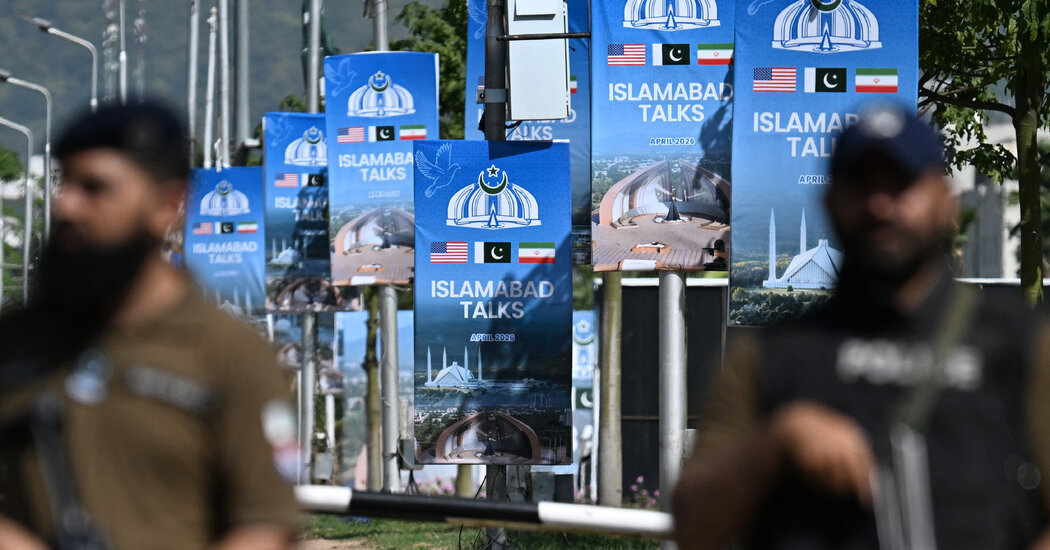
In the shadow of escalating tensions, Iranian officials are caught in a delicate balancing act between private optimism for resuming peace talks with the United States and a public facade of defiance. Beneath the veneer of pugnacity lies a calculated strategy, as Tehran scrutinizes Washington’s commitment amid echoes of historical mistrust. This juxtaposition underscores the fragile state of Iran-U.S. relations, where secrecy and brinkmanship converge in the hope of averting further conflict. As global eyes fixate on potential negotiations in Pakistan, the rhetoric from Iran suggests a leadership acutely aware that words can either bridge divides or widen them irreparably. The recent developments highlight not just diplomatic maneuvering, but a nation’s struggle to assert influence in an unpredictable international landscape.
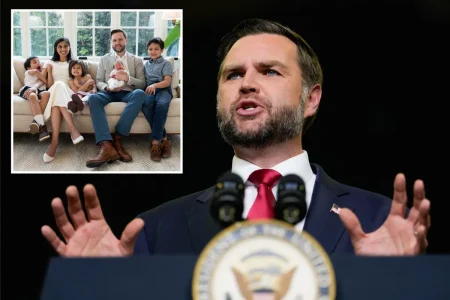
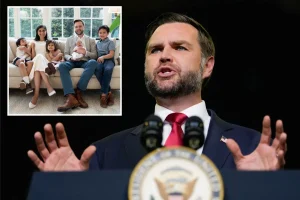
Publicly, Iran’s stance has been one of caution verging on hostility, a response deeply rooted in frustration with U.S. policies under President Trump. On Monday, Foreign Ministry Spokesman Esmail Baghaei dodged questions about Iran’s participation in a second round of talks slated for Islamabad this week. When pressed on reports of a U.S. delegation, including Vice President JD Vance, potentially heading there, Baghaei dismissed it curtly as “their own business.” He elaborated that Iranian officials “do not see any serious sign of U.S. commitment” to any prospective deal, a sentiment that reverberated through public statements. President Masoud Pezeshkian, often straddling the line between diplomacy and nationalism, acknowledged the “deep historical mistrust” scarring Iran-U.S. ties, yet conceded that outright war benefits neither side. His words, however, swiftly pivoted to warning: Americans “seek Iran’s surrender. Iranians do not submit to force.” This fluctuating tone isn’t mere inconsistency; it’s a mirror to Iran’s complex calculus, where leaders publicly spar to bolster their negotiating leverage while privately exploring avenues for compromise.
Behind closed doors, the picture shifts to one of cautious readiness. Multiple officials have confided that Iran remains poised to attend the Pakistan-based meetings, with Parliament Speaker Mohammad Bagher Ghalibaf poised to helm the delegation should Vance make the trip. This internal buzz contrasts sharply with the outward displays of skepticism, revealing a leadership navigating a quandary wrapped in economic desperation and strategic necessity. Iran’s dire financial straits—exacerbated by sanctions and global isolation—demand a deal to alleviate pressures on its economy. Yet, the Trump administration’s assertive posture, from rebranding past accords as victories to imposing naval blockades, has left Tehran wary of being outmaneuvered. Officials aim to demonstrate unyielding resolve, signaling that negotiations can’t proceed if Trump’s bluster persists, including demands for surrendering nuclear stockpiles. Simultaneously, they must appease domestic hard-liners, galvanized by recent victories against U.S.-backed threats, who despise concessions that could dilute Iran’s ideological core. The ticking clock adds urgency: a two-week cease-fire expires early Wednesday, throwing the specter of renewed hostilities into sharp relief.
Analysts point to this dynamic as a reflection of broader pressures shaping Iran’s foreign policy. Hamidreza Azizi, a security expert at the German Institute for International and Security Affairs, notes that the fiery rhetoric surrounding talks isn’t accidental—it’s a tool to manage internal factions. Iran’s hard-liners, emboldened by surviving a five-week U.S.-Israeli campaign, rally nightly in cities with chants against capitulation, brandishing rifles and echoing a refusal to yield. “They have a core support base… very sensitive to any sign of concession,” Azizi explains. On the other flank looms President Trump, whose “coercive diplomatic strategy” contrasts with Iran’s preference for equal footing. A recent episode illustrates this tension: After Foreign Minister Abbas Araghchi announced the reopening of the vital Strait of Hormuz to ease economic flows, backlash from Revolutionary Guards-affiliated media was swift. Within an hour, Trump reinstated U.S. naval blockades against Iran, prompting Tehran to reclose the waterway—a tit-for-tat that underscored mutual defiance and highlighted the Strait’s role as a flashpoint for geopolitical standoffs. This incident, occurring over the weekend, magnified concerns that even tentative diplomatic steps could be undercut by escalatory moves.
Experts like Mohammad Ali Shabani, editor of Amwajmedia.com, argue that Iran perceives time as an ally in this standoff. While Shabani admits the blockade could inflict painful economic blows, he insists Tehran believes it can endure longer than Trump’s administration might sustain its aggression. “I think the Iranians really do want a deal, but Trump is just too crude—he wants total victory in public,” Shabani observes, painting a portrait of risk-averse pragmatism. Yet, not all voices are unified; Sasan Karimi, a former vice president for strategy in Iran’s government and a University of Tehran political scientist, voices anxieties that negotiations could escalate to danger. “Negotiators do not even know whether they could be attacked or not when they are in the air,” Karimi warns, reflecting fears of entrapment in high-stakes talks fraught with preconditions and time limits. In such scenarios, he suggests, Iran might deem war preferable to pressured concessions, a stark illustration of how Trump’s record—abandoning a prior nuclear pact and emboldening Israel in conflicts—fuels Iranian paranoia. These insights reveal a leadership weighing survival against ideology, where every public jab serves to reinforce domestic unity while probing for genuine U.S. assurances.
As the cease-fire’s deadline looms, the path forward hinges on signals of sincerity from both sides. Pezeshkian has called for “reason” in talks, pleading for tangible proof that Trump would honor any agreement—a plea shadowed by past betrayals, like the president’s unilateral withdrawal from the 2015 Iran nuclear deal and his involvement in hostilities against Tehran. With Vice President Vance slated to depart Washington for Pakistan on Tuesday, according to U.S. officials, the stage is set for what could be a pivotal week. Yet, the Strait of Hormuz’s latest closure threatens to escalate economic fallout, affecting global trade routes and underscoring Iran’s willingness to wield asymmetric power. In this intricate web of diplomacy, Iran’s contradictory messages—wary yet willing—signal a nation at a crossroads: eager for relief but resolute against surrender. As negotiations teeter on the brink, observers watch closely, wondering if mutual distrust can give way to the calm that both countries desperately need amid an uncertain Middle East. Contributions to this report were made by Farnaz Fassihi and Sanam Mahoozi.