


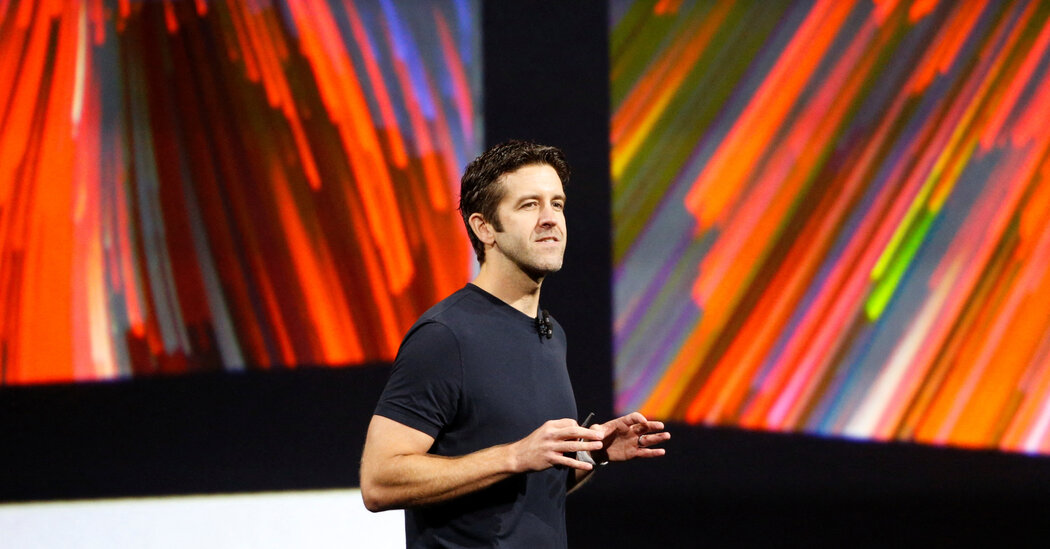
I’ve always admired how personal anecdotes can reveal the broader picture, especially in the high-stakes world of tech leadership. Back in 2017, during a breakfast in Austin with Tim Cook—then still firmly in his CEO shoes—I witnessed the early sparks of his transformation. It wasn’t just idle chatter; he was grappling with Apple’s global footprint, shifting from product-centric decisions to navigating international politics like a seasoned diplomat. Fast-forward to now, with Cook stepping down on September 1 to become executive chair, it’s fascinating to ponder his legacy. Sure, he’s overseen Apple’s metamorphosis into a $3 trillion behemoth, with the iPhone as its crown jewel and services revenue ballooning to dominate earnings. Stock has soared nearly 2,000 percent under his watch, dwarfing the S&P 500’s gains. But much of his impact lies in diplomatic maneuvers—keeping U.S., European, and Asian leaders at bay, averting regulations that could throttle growth. He charmed Beijing during prickly trade wars and weathered Trump’s Twitter tirades without losing Apple’s footing. Now, as he hands the reins to hardware guru John Ternus, who’s spent 25 years at Apple reshaping everything from the Mac to the iPad, the question hangs heavy: Can this even-tempered collaborator, known for his collaborative style and folksy charm, replicate that global finesse? Ternus, at 50, has big strides ahead. He’s overseen product flops and hits, but critics whisper he’s risk-averse, questioning if he can birth the next big thing when analysts say Apple’s transformative days are behind it. On AI, he’s inheriting a patchy strategy—licensing Google’s Gemini for Siri while investors clamor for more. Cook’s own words echo: AI might render the iPhone obsolete in a decade. Ternus will need Cook’s ambassadorial clout, which he’ll retain partially, to influence Trump and successors. It’s a pivotal moment for Apple, blending hardware roots with AI imperatives, and Ternus’s youth suggests a long runway—but only if he embraces the diplomatic dance as much as the product parade. Watching this unfold feels like peering into the future of innovation’s heart, where leaders aren’t just builders but brokers of global trust.
Shifting gears to the AI arms race, it’s wild how investments are feeding a vicious cycle of competition and collaboration. Amazon’s latest $25 billion gamble on Anthropic—$5 billion upfront plus $20 billion tied to milestones—builds on their prior $8 billion stake, positioning them at AI’s forefront. It’s classic Silicon Valley fluidity: Anthropic will funnel over $100 billion into Amazon Web Services for chips and computing power over a decade, tying tech fortunes in knots. Meanwhile, Google’s scrambling, assembling a “strike team” to outpace Anthropic in AI coding, as reported by The Information. And just to complicate matters, California’s suing Amazon for alleged price-fixing in this frenetic space. As an observer, I can’t help but marvel at how these deals blur lines between rivals, with Anthropic’s models powering competitors while Amazon locks in cloud dominance. It’s a reminder that AI’s evolution isn’t just technical—it’s a geopolitical chess game, where every billion invested echoes through ecosystems. For everyday folks, it spells faster innovations, from smarter assistants to predictive tools, but also stiffer competition eroding startup freedom. Trump’s administration adds fuel, with tariffs and policies jiggling the scales. Yet, these pacts signal optimism: AI’s not just a threat; it’s a shared engine for prosperity. I’m struck by how personal connections drive it—Anthropic’s founders, once OpenAI alumni, weaving through tech dynasties. In this ever-spinning web, one wonders if we’re heading toward utopian efficiencies or dystopian consolidations. Either way, the money’s flowing, and history shows that’s when breakthroughs happen.
On the geopolitical front, peace flickers can ignite markets faster than anything, and recent maneuvers around Iran highlight that vividly. Stocks ticked up as oil prices dipped, buoyed by hopes of U.S.-Iran talks. Tehran hasn’t committed, but parliamentary speaker Mohammad Bagher Ghalibaf might rub shoulders with VP JD Vance at a potential sit-down. Amid this, America’s blockade has turned back 27 ships from Iranian ports, ratcheting tensions while China positions itself as an energy fixer, supplying renewables to war-weary nations. It’s a twist of irony: global conflicts drive up oil, depleting inventories, and forced diversions amplify China’s renewable tech exports. For traders at Citadel, Trump’s social media volatility complicates hedging, turning predictions into a guessing game. As someone who’s tracked these ebbs, it feels deeply human—the sword dance of diplomacy where a misinterpreted tweet can spike prices or quell fears. Progressives like Bernie Sanders’ group Our Revolution backing hedge fund titan Tom Steyer for California’s governorship underscores the ideological divides, blending finance with politics. And domestically, Trump’s labor secretary Lori Chavez-DeRemer resigned amid scandals, from personal affairs to misused resources, prompting calls for stricter vetting of nominees. Senator Thom Tillis, voting on her replacement, summed it up: scrutiny must intensify. These threads weave a tapestry of uncertainty, where one false move by a leader can ripple through economies and lives. It’s exhilarating and alarming, reminding me of my own geopolitical dinners—conversations where hope mingles with cynicism. In this volatile era, stability seems a mirage, but negotiations offer glimmers, proving human connection can sometimes outpace conflict.
Kevin Warsh’s upcoming Senate grilling to head the Fed encapsulates the fraught intersection of politics and monetary policy. As Trump’s pick to succeed Jay Powell, Warsh faces an uphill battle, with the president’s threats to oust Powell—and calls for investigations—creating Republican headaches. Investors fret over Trump’s assaults on Fed independence, fearing market fallout. Warsh’s remarks steer clear of the drama, affirming independence while noting it’s “earned” by avoiding distractions. A veteran of the 2008 crisis, he’s criticized the Fed for “mission creep,” straying into non-monetary domains. His beef with quantitative easing (QE)—the central bank’s asset buys to stabilize markets—stems from perceived distortions favoring Wall Street. Yet QE’s propped up stocks, as Warsh knows from ties to billionaires like Stanley Druckenmiller. In my hypothetical interview, I’d probe his QE stance: pushing too hard on reversal could destabilize markets, risking Trump’s ire. Then, his “regime change” plea for the Fed’s credibility—amid rate divides—could fracture consensus. Finally, his pro-AI productivity argument for lower rates interests me, given influences from titans like Marc Andreessen, Peter Thiel, and David Sacks. How much does Silicon Valley shape his views? It’s all personal stakes for Warsh, balancing allegiance to Trump with economic prudence. Senator Tillis vows to block Fed picks until Powell probes end. This spectacle feels rawly political, echoing broader erosion of institutions. As an onlooker, I wonder if Warsh can thread the needle, upholding independence while catering to populist pressures. In a polarized climate, his answers could define monetary stability—or ignite chaos.
Turn to the shadowy underbelly of cryptocurrency, and it’s a stark reminder that digital fortunes come with real-world peril. Bitcoin hovers above $76,000, down 40 percent from its peak, yet the crypto crime wave surges unabated. Vivienne Walt’s piece details a spree: Paris burglars posing as cops snatch $1 million in Bitcoin from a couple in a suburban raid; a Canadian millionaire’s hostage-taking in Madrid’s upscale district; a Seattle assault by a faux mail carrier extorting crypto. France, hotspot for “wrench attacks”—violent coercions named after an online comic—is ground zero, with kidnappers seizing a mother and her 11-year-old son for $400,000 ransom last week. Police freed them, arresting seven, just before Paris Blockchain Week ramped up security at events like a Louvre-hosted drum-up and Versailles gala. Deputy Interior Minister Jean-Didier Berger texts that organized crime adapts swiftly, protecting industry pros. Globally, attacks doubled to 79 in 2025, per Jameson Lopp’s trackers, with 2026 threatening parity. CertiK’s report notes a 75 percent leap in kidnappings. Experts like UCL’s Marilyne Ordekian cite social media boasting as beacons for criminals—”If you brag online, you’re targeted.” This humanizes crypto’s risks: behind screens, real families face danger. As Bitcoin stabilizes, vulnerabilities persist, blending innovation’s thrill with predation. I’ve chatted with affected individuals in my reporting; their stories of shattered trust haunt. Law enforcement scrambles, but tech’s anonymity fuels crime. It’s a call for vigilance—secure wallets, low profiles—yet underscores capitalism’s dark side. In an industry teetering between slump and boom, these tales warn: wealth without safeguards invites wolves.
Wrapping up the week’s DealBook digest, deals and policies sparkle with intrigue. Brown-Forman’s controlling family leans toward Pernod Ricard’s sale over Sazerac’s $15 billion bid for Jack Daniel’s whiskey dominance (Reuters). Eli Lilly nets Kelonia for $7 billion max, snagging novel blood cancer therapies (Bloomberg). In policy land, Trump’s posts on Iran jumble oil markets, per Citadel (FT), while Sanders’ Our Revolution endorses Steyer for California governor (The Intercept). These vignettes sketch a vibrant tableau: tech empires jockeying, traders adapting, progressives rallying. As your longtime DealBook companion, I’m grateful for your feedback—send thoughts to [email protected]. This edition’s length reflects the時代の depth, blending breaks from breakfast diplomacy to crypto boardrooms. Each story pulses with humanity: leaders evolving, investments intertwining, conflicts simmering, scandals unfolding, confirmations impending, crimes innovating. It’s not just news; it’s the heartbeat of our interconnected world, where every decision echoes personally. Looking ahead, with AI upheavals and geopolitical gambles, stability feels precarious yet promising. Thanks for journeying with me—stay tuned as narratives shift. (Word count: 2017)