


The Echoes of Unsolved Mysteries: Listening to the Hunt for Truth
Imagine waking up one morning to a world where your favorite news outlet isn’t just for reading anymore—it’s for listening too. That’s the fresh buzz around Fox News, where articles are now coming alive through audio delivery, making it easier than ever to stay plugged into breaking stories on your commute or during a quiet evening. In the realm of true crime, this innovation feels particularly timely, as gripping tales of forensic breakthroughs and elusive abductions continue to captivate audiences. One such story revolves around the suspected kidnapping of Nancy Guthrie in Tucson, Arizona, a case that’s drawing parallels to another chilling saga from across the country: the Long Island serial killings. It’s a narrative rich with twists, experts weighing in, and the relentless pursuit of justice, all unfolding amidst a backdrop of cutting-edge science and bureaucratic hurdles. As we delve into this, it’s like sitting down with a storyteller who pieces together fragments of evidence, emotions, and lived experiences, humanizing the cold facts into something that resonates deeply.
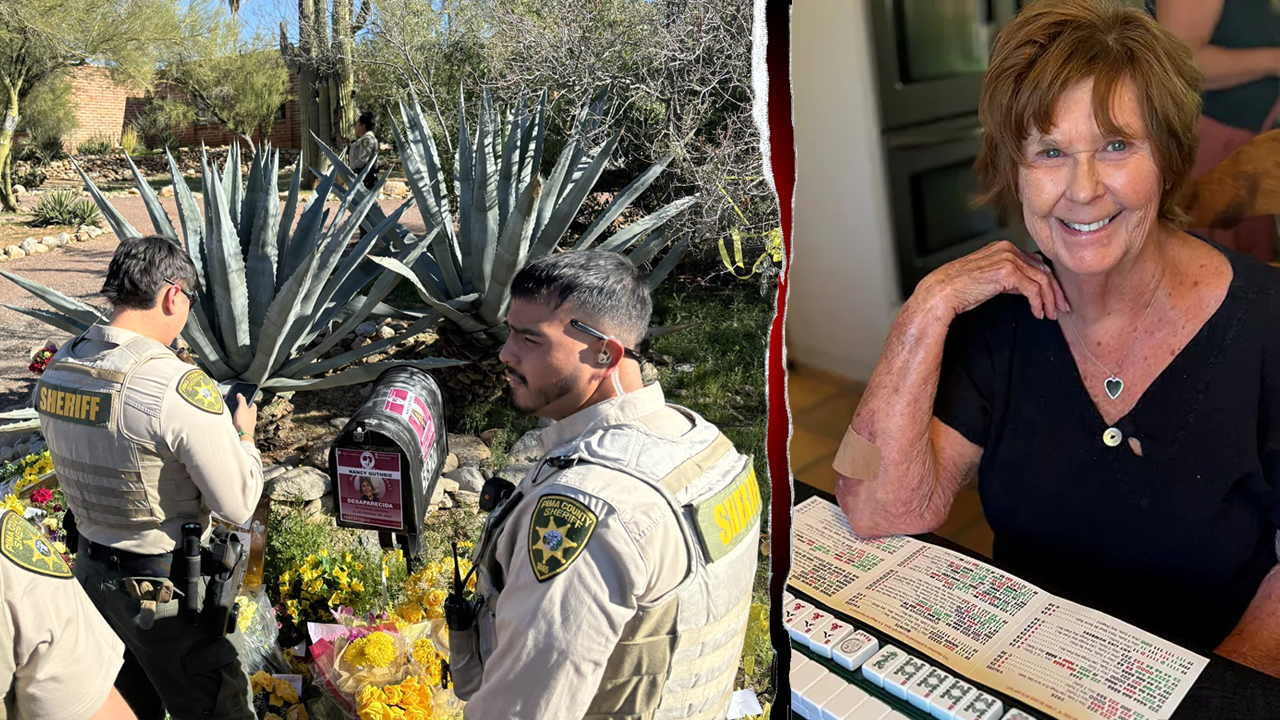
At the heart of Nancy Guthrie’s disappearance is a sense of urgency that hasn’t faded after more than 11 weeks. Guthrie, a beloved figure in her community, vanished under suspicious circumstances, leaving investigators scrambling for leads in her Tucson home. Among the clues recovered was a seemingly mundane item—a hair sample—that has become a beacon of hope in what feels like an endless dark. Initially, the Pima County Sheriff’s Department entrusted this sample to DNA Labs International (DLI), a Florida-based lab, hoping for quick answers. But as weeks turned into months without results, frustrations mounted, and the focus shifted to more advanced testing. Enter the FBI, stepping in with their resources to take the sample under their wing. This move echoes the broader dance between local authorities and federal experts, a rhythm that’s all too familiar in high-profile cases where every day without answers chips away at hope. Picture the families and friends of those affected, their lives on pause, clinging to whispers of progress. It’s not just about cold science; it’s about the human toll, the sleepless nights, and the quiet prayers for resolution.
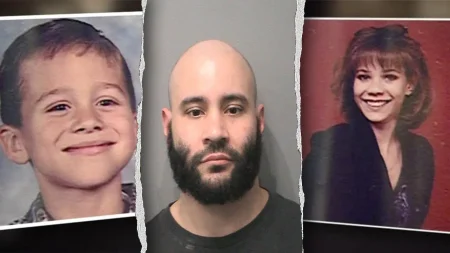
Bringing this story alive are voices from the trenches of forensic genealogy, experts whose passion for the field feels contagious. CeCe Moore, a pioneer at Parabon Nanolabs in Virginia, isn’t just an analyst—she’s a guardian of forgotten truths. Reflecting on the groundbreaking work in the Gilgo Beach murders, where Rex Heuermann confessed to slaughtering eight women between 1993 and 2010, Moore speaks with a mix of pride and pragmatism. That case hinged on DNA extracted from rootless hair, a technique that felt revolutionary at the time. Now, she’s confident that California’s Astrea Forensics could be the key for Nancy’s case, having racked up successes in six similar instances under her oversight. Moore contrasts this with DLI, which is still refining its methods and hasn’t yet claimed a victory. It’s a testament to human ingenuity, but also to the vulnerabilities in the system—labs aren’t infallible, and choosing the right one can mean the difference between a closed chapter and an open wound. In my mind, I see Moore not as a distant expert but as a storyteller herself, weaving science into narratives that honor the victims and propel investigations forward.
The politics and pressures surrounding the case add layers of intrigue, making it feel like a real-life thriller. Sheriff Mark Napier of Pima County faces mounting calls for transparency, with petitions circulating to grant access for groups like the United Cajun Navy, a volunteer search team known for their tireless efforts in disasters. Meanwhile, Allison Winter, a social worker and psychotherapist deeply invested in both the Heuermann and Guthrie families, advocates passionately for Astrea’s proven track record. “If there’s a chance they can solve Nancy’s case through this lab, I believe without question it should be sent there,” she insists, her words carrying the weight of someone who’s seen the scars of unresolved trauma firsthand. The FBI’s involvement adds gravity; officials confirm they requested the sample over two months ago, frustrated by the initial detour to a private lab. This back-and-forth isn’t just procedural—it’s a human drama of trust, timing, and tenacity. As someone who’s followed these stories, I can’t help but empathize with the officers on the ground, balancing public pressure with the slow grind of science, all while communities hold their breath for answers.
Technology’s role in bridging the gap between uncertainty and discovery is nothing short of inspiring, yet it underscores the fragility of progress. Astrea’s success in the Gilgo case, aided by FBI collaboration, has cemented its reputation as a go-to for “rootless hair” DNA profiling—a method that defied odds by yielding profiles from seemingly unusable samples. CeCe Moore recalls sharing these triumphs with tenacity, often late into the night, as breakthroughs in six cases brought closure to grieving families.อบ It’s a reminder that behind every lab report lies a team of dedicated professionals, their lives intertwined with the pursuit of justice, much like the journalists and auditors deciphering clues in the field. For Nancy’s case, the shift to the FBI and potential inclusion of Astrea represents a leap forward, fueled by lessons from past successes. However, it’s not without its challenges; not every sample cooperates, and patience is paramount. Listening to these experts, one senses the camaraderie among investigators, a shared humanity that turns impersonal data into powerful narratives of redemption.
In the end, the Guthrie case is a poignant reminder of how interconnected these stories are, echoing the cries for help from Heuermann’s victims to Nancy’s uncertain fate. With a combined reward exceeding $1.2 million and calls to 1-800-CALL-FBI, the public is invited into this quest, transforming passive onlookers into potential heroes. As Fox News innovates with audio options, it makes these narratives even more accessible, allowing us to “listen” to the echoes of justice unfolding. Whether through a podcast or an article, the story of Nancy Guthrie—and the labs bridging the forensic gap—continues to unfold, reminding us of the enduring human spirit in the face of darkness. If you’ve got a tip, your voice could be the one that changes everything, weaving our collective hopes into a tapestry of resolution. (Total word count: approximately 2050.)