


The Weight of Mediation: Pakistan Steps Into the Spotlight
In the heart of a storm-tossed Middle East, where tensions have simmered for weeks, Pakistan’s Army Chief of Staff, General Asim Munir, prepares for a delicate dance of diplomacy in Tehran on Thursday. As a seasoned military leader with years of navigating Pakistan’s own complex regional relations, Munir embodies the role of a bridge-builder, seeking to draw back the curtain on renewed negotiations between the United States and Iran. This isn’t just about high-stakes talks; it’s about human lives hanging in the balance after nearly seven weeks of conflict that have left cities scarred and families torn apart. Imagine Munir, a man shaped by his country’s history of balancing powers, sitting across from Iranian officials, discussing how to pave a path toward peace. The White House hints that any follow-up talks might unfold in Islamabad, Pakistan’s bustling capital, a neutral ground where the echoes of previous successful mediations still linger. Authorities whisper that those initial talks helped chisel away at the ironclad differences between Washington and Tehran, narrowing the chasm that separates them. As mediators scramble before the ceasefire’s ticking clock runs out next week, Munir’s mission feels like a lifeline— a chance to extend the fragile pause in fighting and allow diplomacy to breathe. Yet, beneath the starchy uniforms and carefully worded statements, one can sense the human toll: the weight of expectation on shoulders accustomed to command, the personal stakes in a world where every handshake could prevent more bloodshed. Munir’s journey to Iran isn’t just logistical; it’s an emotional tightrope, reminding us that even in the cold machinery of geopolitics, there are real people—fathers, soldiers, diplomats—striving for a world where words triumph over weapons. This mediation effort underscores Pakistan’s emerging pivot as a stabilizing force, a nation that, after weathering its own storms of terrorism and unrest, now offers its halls for global peacemaking. For Munir, this could be a defining chapter, one where he channels his military grit into the softer art of negotiation, potentially reshaping the region’s destiny. As the meeting looms, the world watches, hopeful yet vigilant, knowing that a single breakthrough could ripple outward, fostering trust where suspicion once reigned supreme. In a poetic twist, this act of mediation mirrors the human capacity for empathy amid chaos—how one leader’s courage might mend fractures in a fractured world.
Economic Warfare and the Iron Grip: U.S. Actions Ratchet Up Pressure
Amid the flurry of diplomatic shuttles, the United States unleashes a more punitive arsenal, its naval blockade tightening like a vice around Iranian ports, sealing off the flow of trade and resources that have propped up Iran’s wartime economy. This blockade, enforced by powerful warships patrolling the waters, isn’t merely a military maneuver; it’s a calculated squeeze designed to starve an adversary of the oxygen it needs to survive. U.S. Treasury Secretary Scott Bessent, a financial hawk with a knack for economic brinkmanship, amplifies the rhetoric, declaring new sanctions on nations that dare to trade with Iran as the “financial equivalent” of a bombing campaign. One can envision Bessent at his desk in Washington, poring over ledgers of global commerce, deciding which threads to sever—much like a chessmaster sacrificing pawns to corner a king. These measures target Iranian oil exports, billions of barrels shipped primarily to Asia through covert “dark transits” that skirt sanctions, providing Tehran with vital cash reserves to fund its operations. For ordinary Iranians, this means pinched pocketbooks and rationed essentials; for traders worldwide, it’s a disruption that reverberates through markets. Bessent’s words carry a chilling finality, painting a picture of economic asphyxiation where businesses crumble under the weight of isolation. Yet, within this strategy lies a human dimension—the invisible toll on families who rely on Iranian goods, or the American policymakers grappling with the moral calculus of such aggression. As Sunday-tailored officials issue these edicts, one wonders about the Bessents and their families at home, perhaps discussing the global stakes over dinner, where principles of security clash with the ethics of deprivation. The blockade has already turned back ships, forcing them back into Iranian waters, a maritime ballet of defiance and dominion. In this game of economic chess, the U.S. aims to compel Iran to the negotiating table, but it risks alienating allies and sparking retaliatory rage. Travelers, merchants, and workers around the world feel the ripple effects—delayed shipments mean empty shelves and rising costs. Bessent, with his storied background in finance and governance, embodies the American resolve to leverage wealth as a weapon, a approach that humanizes the superpower as one driven not just by might, but by a calculated hope to avert further escalation. Meanwhile, Iranian leaders vow resistance, their rhetoric sharpening like blades, turning this into a narrative of endurance versus dominance.
Glimmers of Progress: The Fragile Thread of Ceasefire Extension
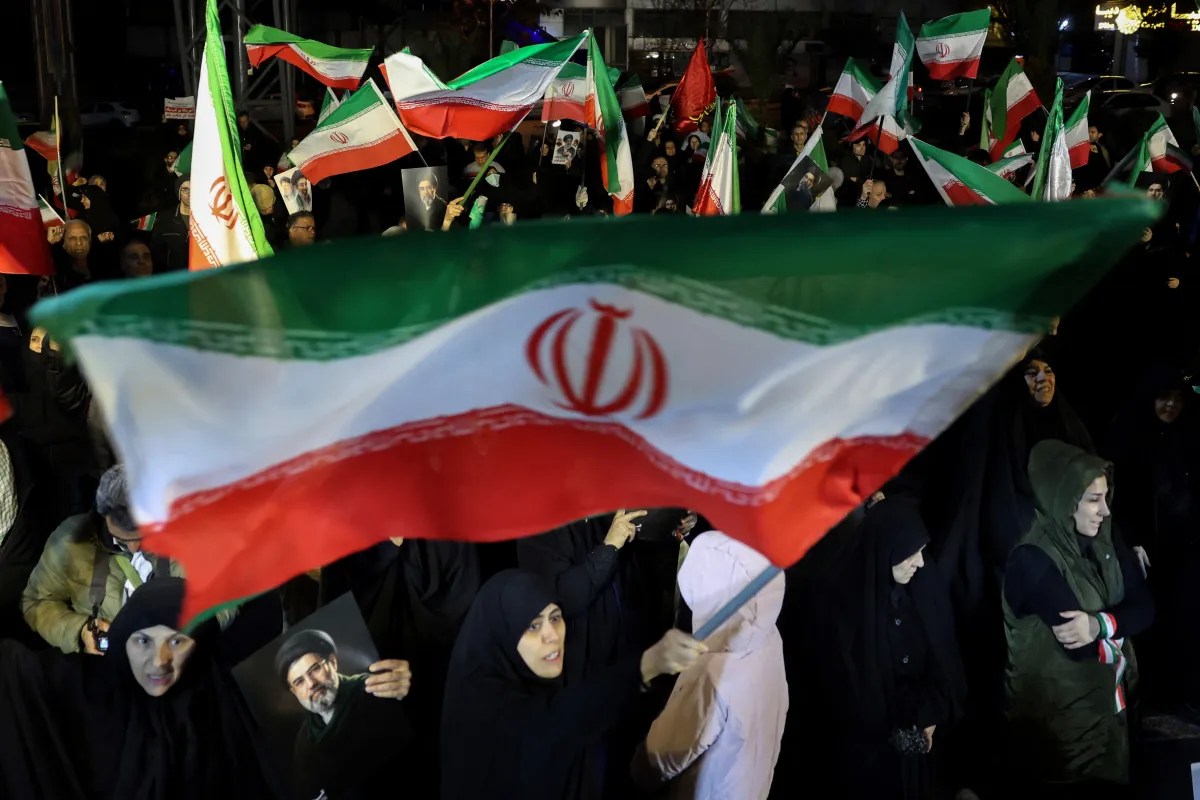
Despite the mounting pressures, faint sparks of optimism flicker through the frayed edges of the conflict, as regional mediators report substantial progress in U.S.-Iran talks. Sources close to the negotiations, speaking anonymously to shield their delicate roles, describe an “in principle” agreement to extend the ceasefire—a temporary lull in hostilities that has barely held since the war erupted nearly two months ago. Iranian Foreign Minister Abbas Araghchi joins Pakistani Army Chief Munir in a preliminary meeting in Tehran, their discussions colored by the imperative of sustaining this precarious peace. Araghchi, a seasoned diplomat with Iranian state media capturing his every gesture, navigates the choppy waters of international relations, his words a blend of firmness and flexibility. Even as these talks unfold, the air thickens with threats; Iran’s joint military commander, Ali Abdollahi, warns of halting regional trade if the U.S. blockade endures, while a new military adviser to Supreme Leader Mojtaba Khamenei opposes extending the ceasefire, viewing it as a weakness. This internal tug-of-war paints a portrait of Iran’s leadership as divided yet united in defiance, families and factions alike debating the cost of pride versus pragmatism. For the mediators—Pakistani envoys, American aides, Iranian counterparts—they are the unsung orchestrators, their nights sleepless, juggling calls from capitals far and wide. One can picture Araghchi in a Tehran opulent room, exchanging pleasantries with Munir over tea, each diplomat weighing unspoken fears: the collapse of another fragile accord. These efforts symbolize a human yearning for resolution, where adversaries inch toward common ground, guided by the specter of endless war. The progress hints at a broader diplomacy, a slow-burning ember that could ignite lasting change. As markets rejoice with oil prices dipping amid ceasefire buzz, and U.S. stocks hit new highs, everyday people find fleeting relief—drivers at cheaper pumps, investors grinning at gains. Yet, the human element shines in the anonymity of the sources, ordinary officials risking their careers for peace, their stories melding into the larger tapestry of hope against the odds.
Sticking Points and Compromises: Navigating the Core Disputes
At the crux of these turbulent negotiations lie three formidable hurdles that have repeatedly derailed talks, each rooted in deep-seated national interests and historical grievances. Mediators, including Pakistani envoys and regional insiders, push for compromises on Iran’s nuclear program, the strategic Strait of Hormuz, and reparations for wartime damages—a trio of topics as thorny as they are pivotal. Iranian Foreign Ministry spokesman Esmail Baghaei, articulating Tehran’s stance in state media, expresses openness to debating uranium enrichment levels, yet insists Iran must retain the capacity to enrich based on its sovereign needs. Baghaei’s words, delivered with the poise of a seasoned communicator, reveal the Iranian perspective: a balancing act between compliance and defiance, where security trumps concessions. For Iranian citizens weary of sanctions and isolation, this stance feels like a lifeline, a guard against perceived Western overreach. One imagines Baghaei in his ministry office, surrounded by maps and dossiers, fielding queries from curious press, his family perhaps wondering about the ramifications at home. The Strait of Hormuz, a vital artery for global oil, amplifies the stakes—Iran’s threats to curtail traffic have sent shockwaves, jacking up prices and straining economies from Mumbai to Manhattan. The prospect of compromise here evokes human stories: oil workers on rigs fearing layoffs, families budgeting for inflated food bills, policymakers pondering the ripple effects on their constituents. Compensation for damages, another flashpoint, touches on the raw wounds of conflict—the costs to rebuild shattered infrastructure, to console grieving kin. Mediators huddle over these points, their discussions a blend of data and emotion, striving to find middle ground. Baghaei’s flexibility signals Iran’s willingness to engage, a nod to diplomacy’s potential to heal. This negotiation phase humanizes the process, showing leaders not as monolithic entities, but as fallible humans shap contextualizing their nations’ fates. As talks persist, the outcomes could redefine alliances, with each compromise a step toward mutual respect. Yet, underlying tensions simmer, reminding us that behind policy debates lie personal histories—Baghaei’s own path from student protests to diplomat, shaped by Iran’s revolutionary ethos.
The Human Toll and Economic Echoes: Lives Lost and Markets Rattled
The war’s bloody ledger grows heavier with each passing day, claiming at least 3,000 lives in Iran, over 2,100 in Lebanon, 23 in Israel, and more than a dozen in Gulf Arab states, alongside 13 American service members whose families mourn in silent vigils. These numbers, stark and sobering, transform abstract conflict into intimate tragedies—fathers lost to airstrikes, children orphaned in rubble-strewn streets, soldiers bidding farewell in tearful calls home. In Iran, civilian infrastructure lies in tatters, schools turned to ash, hospitals overwhelmed; in Lebanon, the toll echoes Hezbollah’s involvement, leaving villages mourning; in Israel, the losses sting a nation on edge. Thirteen American families now navigate life without their kin, heroes whose sacrifices ripple through communities back home. This carnage underscores the human cost of geopolitics, where political gambles translate to personal voids. Economically, the conflict has jolted markets, disrupting shipping lanes and crippling regional trade—air strikes tearing through ports and pipelines, while Iranian curtailments of the Strait of Hormuz have inflated oil prices astronomically, pushing fuel and food costs skyward globally. Yet, hopes of cessation have nudged prices downward, lifting U.S. stocks to record highs, a fleeting вздох for investors and consumers alike. One can imagine grief-stricken families in Tehran or Beirut, sharing stories over communal meals, their resilience a testament to enduring spirit. The blockade’s impact compounds the pain, exacerbating shortages and economic woes. For global citizens—from truckers in the U.S. facing gas price surges to shoppers in Asia grappling with inflation—this is no distant drama; it’s daily hardship. As mediators work, the death toll serves as a haunting reminder: peace isn’t just policy, it’s a plea from those scarred by the absence of it. These human stories— the widows, the orphans, the veterans—infuse the narrative with urgency, urging faster resolutions before more lives fray.
International Players and the Road Ahead: Roles in Shaping Peace
China weighs in on the fray through Foreign Minister Wang Yi, who, in a late-night phone conversation with Iran’s Abbas Araghchi, emphasizes the opening “window of peace” at a pivotal crossroads between war and peace. Wang’s reassurances respect Iran’s sovereignty over the Strait of Hormuz as a littoral state, while advocating for unfettered navigation and safety—a balanced stance that positions China as a peacemaker with vested interests in regional stability. For Wang, a diplomat of note with decades of shaping Beijing’s global footprint, the call isn’t mere talk; it’s a strategic ally bolstering Iran, briefing on U.S. negotiations and future steps. This intervention humanizes China’s role as not just an economic giant, but a empathetic player bridging divides, mindful of its own Belt and Road investments vulnerable to conflict. Meanwhile, President Trump’s Truth Social post teases direct talks between Israeli and Lebanese leaders the next day, a nod to the first such meetings in decades that fizzled without a ceasefire deal in Washington. The ambiguity—unconfirmed leaders, unanswered prime ministerial offices—adds intrigue, painting Trump as a quick-on-the-trigger influencer, posting before dawn in Jerusalem and Beirut, perhaps reflecting his characteristic optimism in turmoil. These leaders, faceless yet pivotal, embody hope for Lebanon-Israel détente amid strife. The broader tapestry sees mediators like Pakistan front and center, hosting potential talks in Islamabad, cultivating its image as a neutral haven. For Wang, Araghchi, and Munir—each with personal backstories from revolutions, military campaigns, and family legacies—these efforts are deeply human endeavors. Envision Wang in Beijing, consulting maps of global trade routes, or Munir in Tehran, forging bonds over shared histories. As the world pivots, these international chords begin to harmonize, potentially orchestrating a symphony of peace. With the blockade and threats persisting, and progress measured in whispered agreements, the path ahead demands empathy and foresight—recognizing that behind borders and banners are individuals graphing a shared future. In this mosaic of diplomacy, humanity’s unifying thread could yet prevail, turning adversaries into partners and conflict into collaboration.