

The Awakening of Unrest in Tehran
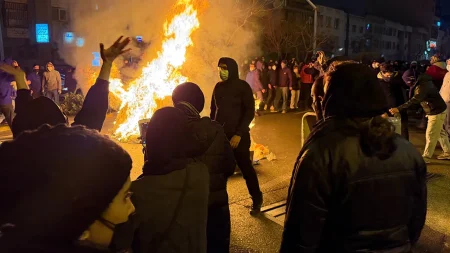
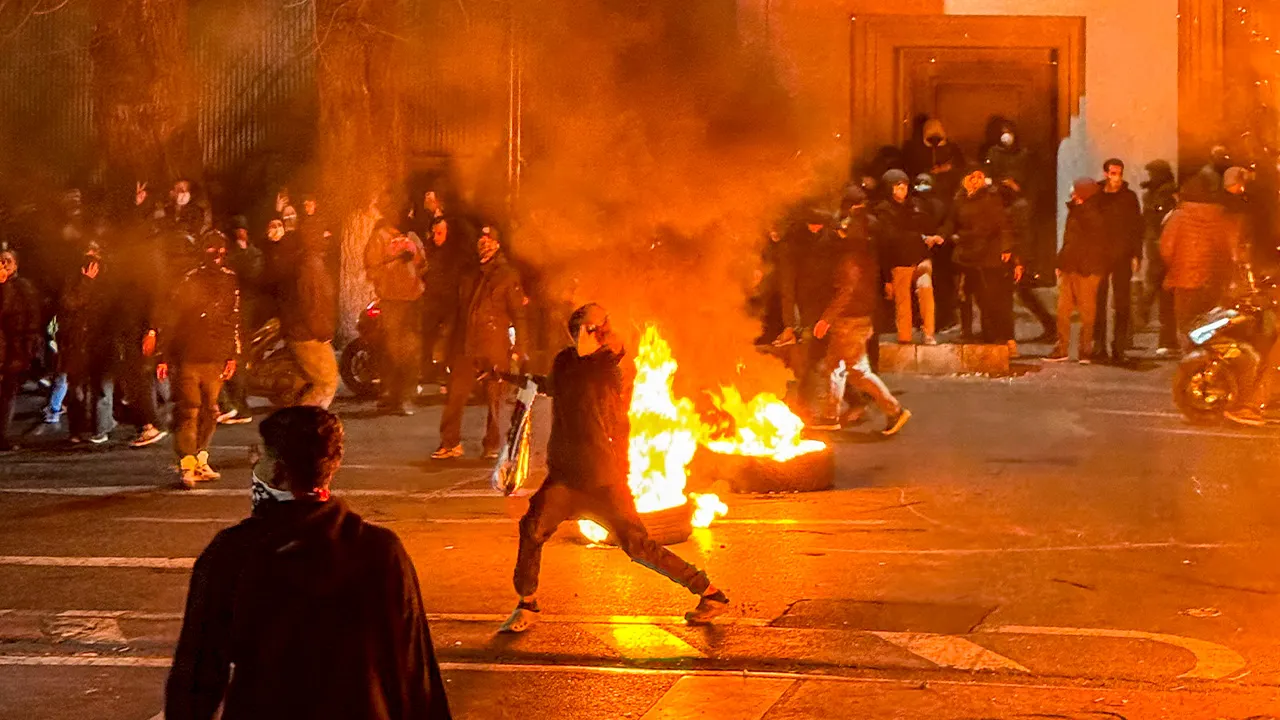
In the shadow of a crumbling economy, late December 2025 sparked a fire beneath the streets of Tehran. Iran’s people, grappling with a currency in freefall and inflation eating away at their livelihoods, rose in protest against a government that seemed indifferent to their suffering. What began as scattered cries over economic hardship quickly morphed into a tidal wave of defiance, spreading like wildfire across cities and towns. Families huddled in fear and hope, whispering about a future free from oppression. This uprising wasn’t just about money—it was about dignity, freedom, and the human spirit refusing to be silenced. As tensions mounted, the demonstrations challenged the very core of the regime’s authority, drawing the world’s gaze.
The Court’s Harsh Verdict
Amid the turmoil, the Tehran Revolutionary Court handed down sentences that echoed the regime’s unyielding grip on power. Mohammadreza Majid-Asl and Bita Hemmati, a young couple in love and defiance, were sentenced to death alongside their neighbors, Behrouz and Kourosh Zamaninejad. Bita, poised to become the first woman executed for her role in the unrest, faced this fate as part of a collective punishment that some say stemmed from fabricated charges. Her relative, Amir Hemmati, got five years in prison, their assets confiscated like spoils of war. The accusations painted a picture of rooftop assaults and propaganda against the state, tied loosely to U.S. forces thousands of miles away. Yet, human rights voices whispered of coerced confessions, torture-laced interrogations, and a lack of solid evidence—raising questions in our collective conscience about justice gone astray.
A Neighborhood Torn Asunder
In the bustling residential building where these lives intertwined, neighbors became pawns in a larger game. Mohammadreza and Bita, building a life together, now stared down execution for alleged misdeeds tied to the protests. Kourosh and Behrouz Zamaninejad, men who shared the same halls, faced the gallows too. Their simultaneous arrests shattered a community, leaving echoes of mundane chats about daily struggles replaced by the dread of unspoken farewells. As families mourned in secret, the regime’s crackdown painted protesters as traitors, not heroes. This wasn’t just punishment; it was a warning shot, aimed to quell any spark of rebellion before it ignited again.
Washington’s Shadowy Role
Far from Iran’s borders, the United States watched as the uprising intensified, eventually launching Operation Epic Fury with Israel in a joint strike that claimed the life of Supreme Leader Ali Khamenei on February 28, 2026. This bold move intervened in a conflict that had claimed thousands of lives, protesters felled amid the regime’s brutal suppression. Trump’s earlier vows of a sweeping blockade on the Strait of Hormuz, following failed talks with Iran, underscored a “all or nothing” gamble that escalated tensions. In the eyes of many, this international involvement transformed local dissent into a geopolitical chessboard, where the pain of everyday Iranians became collateral in a war of ideologies and power.
Echoes of Coercion and Concern
Human rights organizations, like the NCRI and HRANA, cried foul, urging the world to halt these executions. They highlighted suspicions of torture, confessions extracted under duress, and charges inflated to stifle voices. Amir Hemmati’s lesser sentence for collusion and propaganda hinted at layers of regime protection, while the others bore the brunt. This wasn’t fairness; it was a tool to instill fear, they argued, preventing future waves of unrest. As we imagine their trials, the human toll looms large—lives derailed, families fractured, all for daring to dream of change.
The Lingering Specter of Intimidation
With no execution date set, uncertainty hangs like a storm cloud over these condemned souls. The regime’s actions aim to intimidate, deterring the populace from revisiting the streets that once rang with chants for freedom. Under this pressure, what hope remains for Iran’s people? The uprising, born from economic desperation, exposed an undercurrent of resilience that no sentence can fully extinguish. In humanizing these stories, we see not just defendants, but individuals—lovers, neighbors, relatives—caught in the jaws of a system fearful of its own shadows. Their plight reminds us of the fragility of liberty and the enduring fight for it. As the world debates blockades and strikes, the hearts in Tehran beat on, yearning for a dawn where justice prevails over reprisal.