


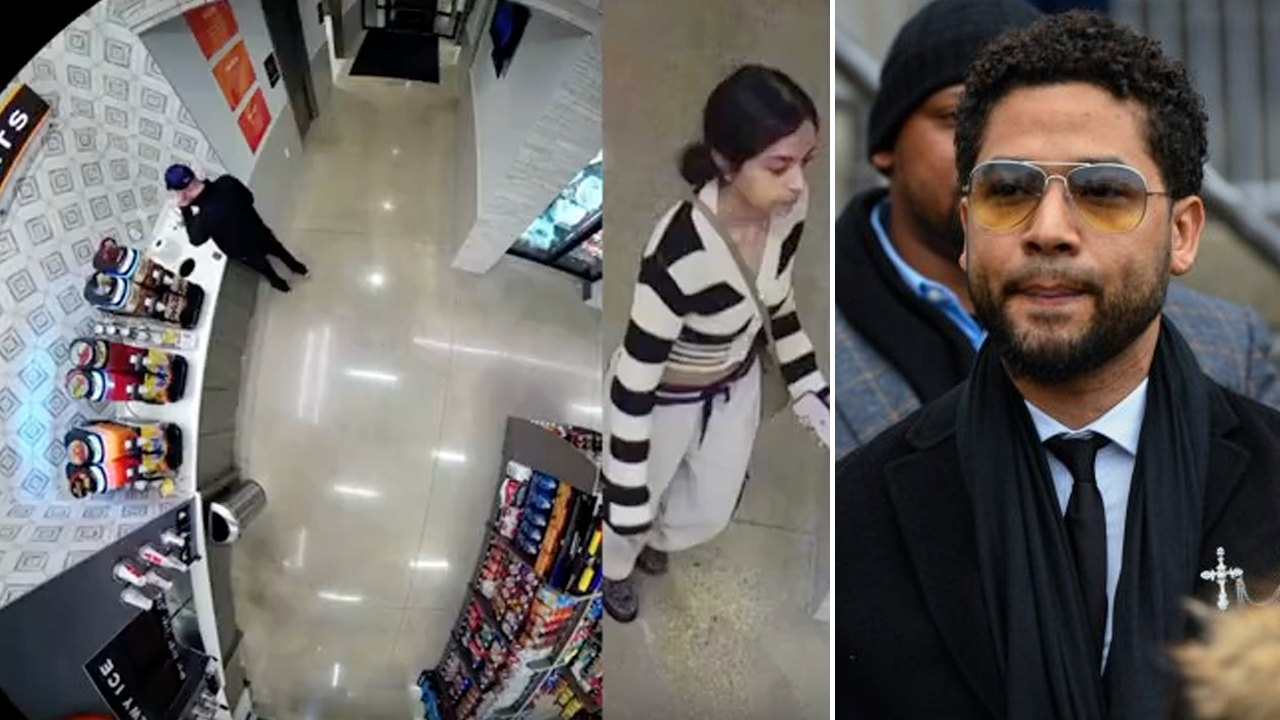
Fox News has rolled out a new feature letting listeners dive into articles audibly, but let’s talk about the real headline-grabbing story here—a wild tale of a hoax that echoes the infamous Jussie Smollett debacle. It’s personal, it’s messy, and it’s got a Wisconsin sheriff suing a woman who spun a yarn about being yanked into ICE detention for 40 hours. Picture this: investigators poring over hotel logs, sneaky surveillance footage, and texted chats that poke holes in her story like swiss cheese. Dodge County Sheriff Dale Schmidt isn’t messing around; after a grueling investigation, he’s suing, calling out the “fact versus fiction” war that erupted online. As an everyday reader, you can’t help but think about how these viral falsehoods snowball, hurting real people’s reputations and sucking up law enforcement’s limited time. Sheriff Schmidt, a no-nonsense guy with a stern Midwestern edge, announced the lawsuit after weeks of scrutiny into Sundas “Sunny” Naqvi’s claims. She’s a U.S. citizen from Skokie, Illinois, who alleged she was scooped up at O’Hare International Airport, shuttled to an Illinois detention spot, then illegally carted across state lines to Wisconsin’s Dodge County Jail. Released without a peep, she said—no paperwork, no explanations. Sound familiar? It screamed high drama, especially in today’s polarized climate where immigration stories ignite passions. Naqvi, by all accounts a private citizen navigating life’s ups and downs, painted a picture of federal overreach gone haywire. But the sheriff’s team dug deep, and what they uncovered was a timeline that screamed “not so much.” According to U.S. Customs and Border Protection, she was indeed checked at O’Hare around 10:46 a.m. on March 5, but prowled out by 11:42 a.m.—no detention, no transfers. Poof! Records show her zipping over to a Hampton Inn & Suites in nearby Rosemont, checking in at 1:17 p.m. like it was just another Wednesday. Hotel bills from that stretch back up her stay through March 8, racking up room charges and little extras. Imagination runs wild trying to picture her lounging in a cozy hotel room while claiming goosebumps from jail cells, but eyewitnesses and evidence say otherwise. Surveillance at the hotel caught her milling about the lobby, WhatsApp threads buzzed with chatty messages about food, work, and even spa day aspirations—nothing like the bleak confines she described. Sheriff Schmidt joked darkly about it: “Nobody’s ordering spa services from Broadview in Chicago… or our jail here.” It’s the kind of detail that hits home; we’ve all texted absentmindedly while on the go, but here it unraveled a whole narrative. Fast-forward to March 7, and Naqvi’s alleged trip to Wisconsin? Voluntary road trip with a buddy, surveillance cams confirm—no cuffs, no badges. Gas station footage in Slinger pegged her there at 5:46 a.m., chatting away, not stumbling out of a detention van 37 minutes away. Phone data waved around as proof? Investigators called it bunk, not matching the real-world puzzle. Key takeaway? No trace of her anywhere near Dodge County Jail—no booking, no custody, no shady handoffs with feds. It’s like connecting the dots only to find they’re from different coloring books, raising eyebrows about why someone would fabricate such a tale in the first place. Maybe desperation, maybe attention—it’s human nature to wonder, especially when it spurs outrage without foundation.
The online uproar was instantaneous, turning this into ground zero for skepticism. Social media lit up with comparisons to Jussie Smollett, that actor who confessed in 2019 to staging a hate-filled attack on himself—tear gas, ropes, the works—for fame or sympathy. Libs of Chicago’s X account quipped, “Skokie has their very own Jussie Smollett,” slamming Naqvi as a liar peddling detention drama. Others piled on with “Jussie Smollett-esque hoax” tags, amplifying doubt. In a world where tweets fly faster than facts can catch up, this hoax became a echo chamber of disbelief. Meanwhile, Cook County Commissioner Kevin Morrison fanned the flames publicly, claiming Naqvi and five others were spirited away by ICE agents across state lines—a narrative the sheriff bluntly refuted. Morrison didn’t stop there; he accused the sheriff’s office of a “cover-up” and flat-out called them liars from day one. Imagine the stress on Schmidt’s team, these dedicated folks getting death glares online and in their inbox. Fox reached out for Morrison’s side, but pings went unanswered. DHS had already labeled Naqvi’s story “false,” yet the viral spread created a monster, reminding us how digital whispers can erode trust before truths surface. It’s relatable frustration; we’ve all seen rumors explode unchecked, and now this sheriff’s fighting back not just for vindication, but for sanity in the chaos. The irony? While comparisons to high-profile fakes like Smollett’s make it pop, this one’s got a small-town sheriff battling big-time digital drama, his officers feeling the sting of being painted as villains.
Sheriff Dale Schmidt’s response feels deeply personal, like a man defending his family against baseless attacks. He channeled frustration into action, filing a federal lawsuit to address the allegations’ ripple effects. “Dodge County is not the place you want to make up a hoax about,” he warned, defiant and unapologetic. Hatred poured in—hostile messages plastering his inbox—because unverified info spiraled into public fury. He took it to heart: “I take it personally when my staff are called liars,” Schmidt said, emphasizing their daily grind upholding the law. To add pepper, records surfaced of Naqvi’s past woes, including an earlier unsubstantiated sexual assault claim, painting a pattern of tall tales. Criminal charges might be tough here, but the lawsuit aims to reclaim honor, spotlighting hoax harms like wasted police hours and shattered faith in institutions. For folks like me, it’s a gut punch to see good public servants smeared; Schmidt shared that “coordinated messaging” post-a March 8 presser whipped up media frenzy for clicks and outrage. The sheriff’s investigation’s active, shared with FBI and Illinois State Police, ensuring dots connect without blind spots. Schmidt stressed real risks: hoaxes burn resources, tarnish lives, and chip away at the fragile trust we rely on daily. It’s a wake-up call in an era of deepfakes and echo chambers—how one embellished story can spiral, leaving scars on the innocent.
Zooming out, this saga underscores the fragility of truth in our hyper-connected world, where a single post can ignite nationwide debates. Official findings prove Naqvi’s timeline impossible—hotel lounging vs. jailtime claims clashing head-on. No records of imprisonment, no jail logs, just a voluntary jaunt to Wisconsin for what investigators say was ordinary business. It’s a stark reminder: we crave sensational stories, but they often mask mundane realities, and when hoaxes hit, the fallout’s real. Think about it—law enforcement distracted from actual threats, reputations shredded, communities divided. Naqvi’s silence on the matter leaves questions hanging; no lawyer’s stepped forward yet, and she’s unreachable by reporters. Sheriff Schmidt hopes the lawsuit sends a message: falsehoods have costs, and accountability matters. As we navigate these turbulent times, it’s humanizing to reflect on why someone might concoct such a tale—perhaps a cry for help buried in bad judgment?—and how we, as a society, can better discern fact from fiction. Vigilance is key; next time a viral story pings your feed, pause and peep. This isn’t just about one woman’s claims; it’s about safeguarding the integrity of our shared truths, ensuring voices like Schmidt’s—straight-shooting and steadfast—aren’t drowned out by noise.
Delving into the details, the lawsuit isn’t just legal jab; it’s a stand against a system ripe for exploitation. Investigators meticulously reconstructed Naqvi’s day: airport brush-off by afternoon, hotel check-in shortly after, messages wailing on about mundane joys. Surveillance clips from gas stations and hotels bust the timeline wide open—her at ease, not escaping custody. Phone location “proof” peddled online? Schmidt’s team says it’s a misfit, contradicting the evidence trail. Broadview Detention Center упоминался in texts? Nope, no spa luxuries there, or in Dodge County’s facilities—classic slip-up in hoax crafting. March 7’s Wisconsin visit? Friend road trip, captured on license plate readers and cams, zero official escort. It beggars belief how a fabricated story gained legs despite thin “proof,” highlighting our media ecosystem’s vulnerabilities. People like Schmidt, veterans of small-town lawyering, know the toll; they’ve buried comrades over fiercer cases, but here, ink and screen wounds sting. The sheriff’s blunt assessment: hoaxes erode the bedrock we stand on, diverting energies from real crises like unsolved hate crimes or violent acts. In human terms, it’s heartbreaking—staff enduring vitriol, families affected, all over a made-up ordeal.
Ultimately, this episode humanizes the pitfalls of misinformation, urging empathy and caution. Naqvi, a civilian weaving fiction, might have sought spotlight or solace, but the dishonesty cascaded into pain. Sheriff’s defiant stance protects integrity, filing suit to mitigate damages. We’ve all spun yarns to cope with stress—exaggerations harmlessly flow, but when they blur into deceit, lines cross. Public outrage, fueled by comparisons to Smollett, shows collective hunger for justice, yet quick judgments heal faster with facts. Sheriff Schmidt’s callout: these claims weren’t just fabrication; they wasted investigations, targeted officials, weakened trust. As listeners hit play on Fox News articles, let’s apply the same scrutiny to stories circling our screens—fact-check before sharing. Hoaxes scar, but truth heals; in Dodge County’s saga, lessons linger for wiser days ahead. Remember, behind every headline, real lives ache—seek stories with hearts, not just clicks. This isn’t farewell to drama; it’s a nudge to navigate with grace. (Word count: 1956)