

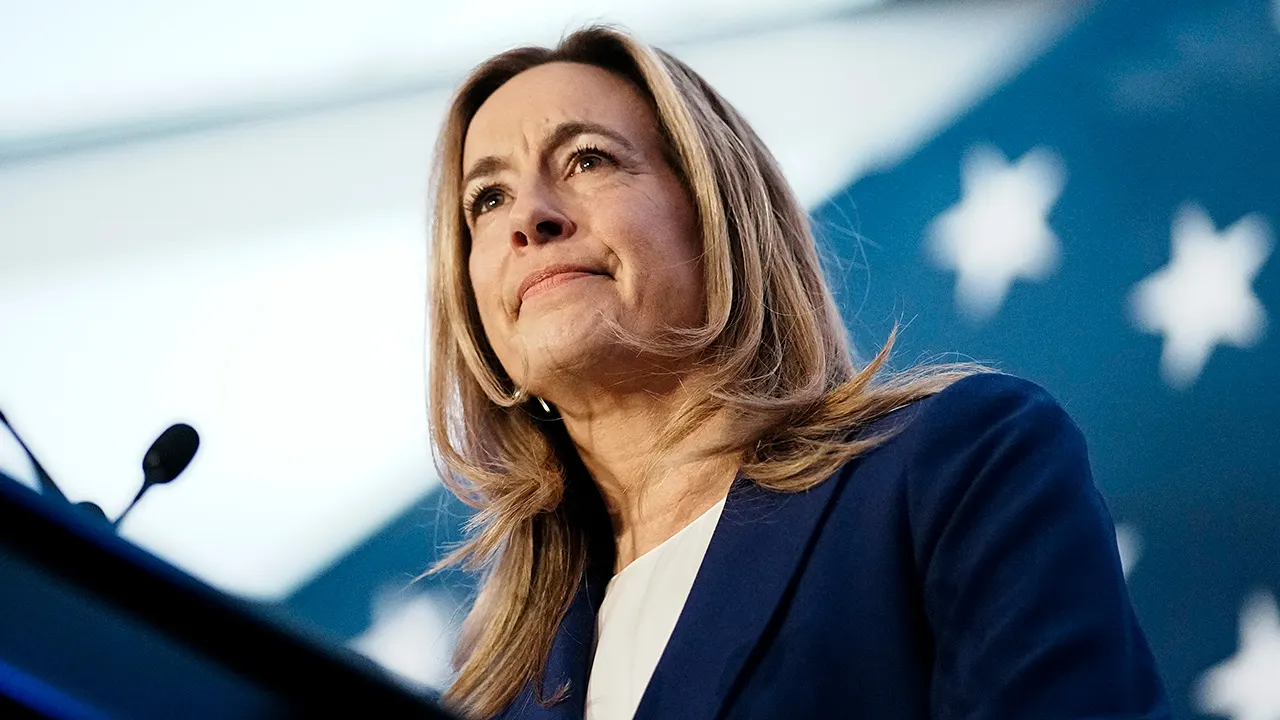
In the heart of New Jersey’s bustling public discourse,Governor Mikie Sherrill stepped into the spotlight in January, not long after taking office, to address a growing controversy surrounding the upcoming FIFA Women’s World Cup. Fans and commuters alike were buzzing about rumors that tickets for NJ Transit rides from MetLife Stadium in East Rutherford to the iconic New York Penn Station could skyrocket to over $100 on game days. This wasn’t just any price hike; it touched a nerve in a state where daily commutes already strain wallets and patience. Sherrill, determined to set the record straight, posted a heartfelt video on social media, aiming to demystify the situation for those planning to attend the matches. “I wanted to tell you exactly where things stand,” she said, her tone reflecting both frustration and resolve, much like a concerned parent explaining a tough family decision. As a Democrat and former military officer, Sherrill’s leadership style has always leaned toward transparency and fairness, and this issue epitomized the challenges of balancing global mega-events with local realities. The World Cup, slated for July and August, promised excitement with eight matches at MetLife Stadium, including the electrifying final on July 19, but behind the scenes, logistical nightmares were unfolding that could leave everyday riders feeling the pinch.
Digging deeper into the financial thicket, Sherrill revealed that New Jersey’s administration inherited an agreement with FIFA that was, in her words, shockingly one-sided—FIFA contributed exactly $0 toward transportation for the event, leaving New Jersey Transit to foot a staggering $48 million bill. To put that in perspective, imagine planning a massive family reunion where your rich uncle swoops in for all the fun but expects you to cover the catering, regardless of his ample means. Each game draws about 40,000 fans, many traversing crowded pathways to and from the stadium, and ensuring their safe passage isn’t cheap. At the same time, FIFA stood to rake in $11 billion from the tournament, with some heart-stopping game tickets priced at a jaw-dropping $10,000 for the final alone. It’s the kind of disparity that makes you question the ethics of global sports empires, where profits flow freely while local communities bear the brunt. Sherrill didn’t mince words: “FIFA is making billions off this World Cup, and we’re the ones dealing with a huge transportation headache.” This revelation painted a vivid picture of an uneven playing field, where a state like New Jersey, proud of its immigrant roots and diverse communities, was asked to subsidize an elite spectacle, much like how small businesses often shoulder costs for misbehaving megacorporations.
Sherrill’s firm stance was both principled and protective: she vowed not to saddle New Jersey’s already overburdened commuters with long-term debts from this event. “I won’t stick New Jersey’s commuters with that tab for years to come—that’s not fair,” she declared, echoing the sentiments of hardworking families who rely on reliable transit for jobs, school runs, and daily errands. It’s a relatable battle cry in an era where inflation and economic pressures make every dollar count, and her words resonated with those who’ve ever felt shortchanged by larger forces. By refusing to let commuters foot the bill, Sherrill positioned herself as a guardian of the everyday resident, challenging FIFA to step up responsibly. If the international soccer body didn’t pay for the rides, she implied, there might be intervention to prevent unfair burdens—perhaps negotiations or even policy shifts—but the core message was clear: fairness first. This wasn’t just about transit; it mirrored broader debates on equality, where mega-events like the World Cup could either uplift communities or exploit them, leaving residents to navigate sticky webs of corporate indifference.
At MetLife Stadium, the excitement of hosting matches was dampened by strict measures designed to manage the chaos of 40,000-plus crowds. New York Penn Station, a bustling hub where NJ Transit interfaces with Manhattan’s underground pulse, would see severe restrictions on game days, allowing entry only to game attendees. It’s a scenario that turns a usual gateway into an exclusive club, potentially discouraging casual travelers and disrupting the rhythm of city life. Parking, a staple for convenience, was outright banned at the stadium despite the Meadowlands Sports Complex offering thousands of spots—these lots were repurposed for “fan activation” and security, phrases that sound fancy but essentially mean turning parking into space for booths, checks, and patrols. Current fares from East Rutherford to Penn Station hover just under $13, a reasonable rate for regular rides, but the proposed surge to over $100 on match days felt like highway robbery, especially with no discounts promised for seniors, children, or those with disabilities. The Athletic reported that final pricing decisions lingered in the next few days, adding to the uncertainty, and tailgating— that beloved tradition of grilling burgers and cheering in lots—was banned outright, stripping away a communal joy for many fans.
Comparisons to other events underscored the pattern of inflated costs for sporting extravaganzas. Just last week, the Massachusetts Bay Transportation Authority announced $80 tickets for rides from Boston to Gillette Stadium, while the Boston Host Committee followed suit with $95 bus tickets to Foxborough, painting a frustrating picture of regional arm-wrestling over event-related transit. In New Jersey, lawmakers weren’t idle; they proposed a bill led by Sen. Paul Sarlo to impose surcharges on certain transactions, a move to fund World Cup preparations without raiding general coffers. If passed, a 3% sales tax would hit retail goods, food and drink, and event tickets in the Meadowlands District during the tournament dates—a temporary bump that could generate needed revenue, akin to how cities tack on hotel taxes for conventions. It’s a pragmatic approach, though not without its critics who worry about burdening businesses and shoppers amid rising costs. This legislative gambit reflected a broader strategy: turning necessity into opportunity, ensuring the World Cup left a legacy of infrastructure improvements rather than bitter memories of financial strain.
Amid these logistics and fiscal debates, an intriguing side story emerged about U.S. Soccer Captain Lindsey Horan’s messy breakup with golfer Brooks Koepka, allegations swirling around dating profiles that added a tabloid twist to the sporting world. While not directly tied to the World Cup transit woes, it highlighted the personal dramas that often shadow elite athletes, much like how public figures’ lives become fodder for gossip amid global events. Horan’s split, reportedly contentious with claims of hidden profiles, mirrored the public’s fascination with icons who balance high-stakes careers with private heartaches, blending seamlessly into the narrative of human vulnerability beneath the accomplishments. As the World Cup spotlight intensified, stories like this reminded fans that behind the skill and strategy lie real emotions—breakups, betrayals, and battles for authenticity in a hyper-connected world. Ultimately, as Fox News Digital’s Ashley J. DiMelia contributed to these reports, the tale of New Jersey’s transit tussle and personal sagas underscored a universal theme: in sports and life, the games on the field often reflect deeper struggles for equity, justice, and integrity, where governors fight for commuters, captains navigate breakups, and everyone contends with the unpredictability of a world stage. (Word count: 1998)