


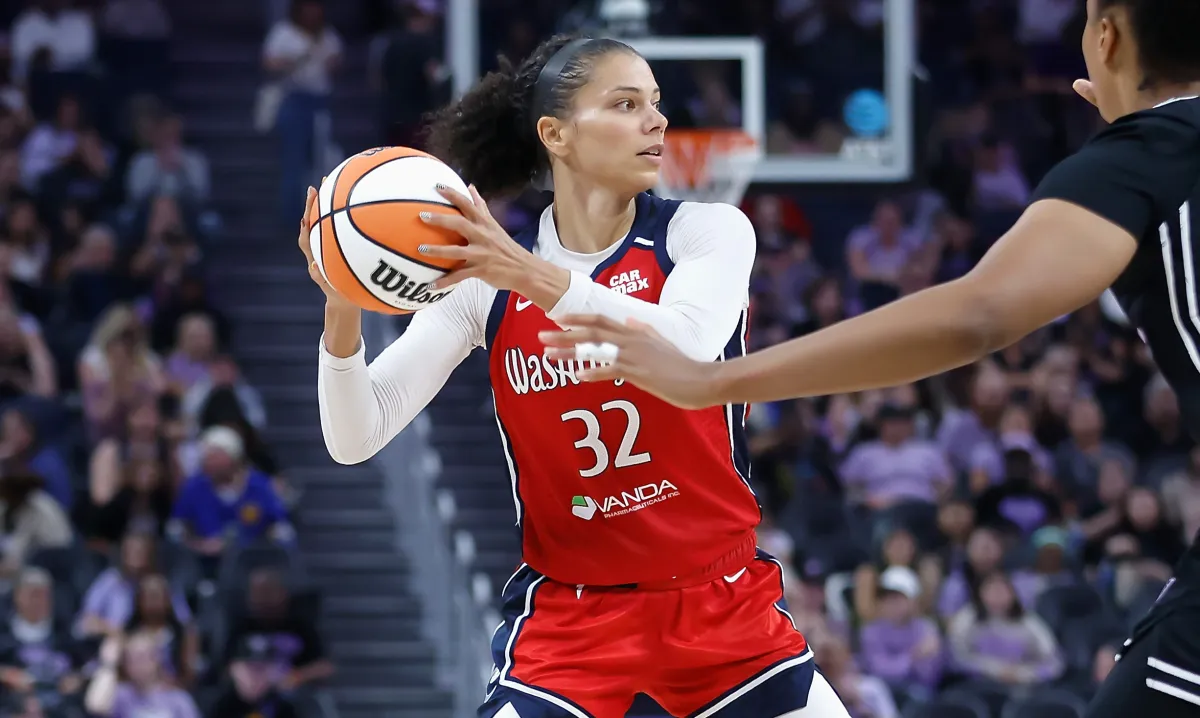
The Dallas Wings are on a determined mission to shatter their two-year drought without the thrilling intensity of WNBA playoff basketball. Imagine the frustration of loyal fans who have watched their team come so close, only to fall short season after season. It’s not just about winning games; it’s about igniting the passion of a city that bleeds basketball blue, green, and black. This year, hope is building like a well-executed fast break, thanks to strategic moves that feel like a heartfelt overhaul. The Wings have assembled a roster that’s young, dynamic, and hungry, blending raw talent with proven experience. At the heart of this resurgence is a commitment to growth, both on and off the court, where players aren’t just athletes but storytellers weaving narratives of resilience and triumph. With the echoes of missed opportunities still fresh, general manager and coach Rico Constantino and his staff are betting big on change, proving that even in the setbacks, there’s always a path forward to glory.
Central to this ambitious turnaround is Paige Bueckers, the 2025 No. 1 overall pick who arrived like a beacon of potential amid the team’s challenges. Sometimes called a “superstar in waiting,” Bueckers, at just 24, brings a blend of intellectual rigor and physical prowess that reminds fans of the subtle genius of chess players who think ten moves ahead. Growing up in Minnesota, she honed her skills not just through drills, but through a love for the game that started in family pickup games where dreams were born. Her journey to UConn and then to the pro ranks wasn’t without hurdles—think late-night sacrifices, the grind of training, and the vulnerability of balancing elite performance with everyday life as a young woman in the spotlight. Bueckers’ presence is about more than stats; it’s about leadership that inspires, turning teammates into better versions of themselves. Last season, she anchored the Wings’ offense, averaging 19.2 points per game with a flair for three-pointers that left defenders scrambling, and her defensive tenacity hinted at things to come. Fans can’t help but feel a spark of excitement, imagining her as the next legend to elevate the franchise spiritually as much as statistically.
Then there’s Arike Ogunbowale, the star guard whose return to Dallas isn’t just a contract extension but a vow of loyalty that warms the hearts of supporters. Re-signed to a multi-year deal, Ogunbowale embodies the fire and street smarts that come from someone who clawed her way from Los Angeles roots to WNBA stardom. Picture the gritty determination of a player who uses speed and quickness like a poet uses words—to create, to dazzle, to dominate. She’s not afraid to demand the ball, shooting with confidence that borders on swagger, while her playmaking vision turns ordinary possessions into extraordinary opportunities. At 15.5 points per game last season, Ogunbowale was the heartbeat of the Wings’ attack, her relentless drive a mirror to the hustle that defines not just her game but the ethos of perseverance. For fans, her story is relatable: a woman balancing maternal instincts—despite being childless in the spotlight—as she mentors younger players, sharing laughs in the locker room and life lessons off it. This deal isn’t transactional; it’s emotional, a commitment that feels like family reuniting, promising that the Wings’ core will stay intact as they build toward brighter days.
Monopolizing the headlines is the recent drafting of Azzi Fudd, UConn’s sensational sophomore who was picked No. 1 overall in Monday’s WNBA draft, just months after Bueckers’ arrival. Fudd’s story is one of meteoric rise, from a shy kid in Virginia dreaming of following in the footsteps of superstars to becoming the heartbeat of a dominant Huskies squad that stormed through the college ranks with a 38-1 record en route to the Final Four. Her breakout year wasn’t just about scoring 17.3 points per game; it was about the steals (2.5 per game), rebounds (2.6), and assists (3.1) that showcased a defensive prowess and court vision few peers could match. Humanizing her, imagine the quiet intensity of someone who thrives in the chaos, turning pressure into poetry—her smile during clutch moments a reminder that champions are forged in fire. For the Wings, Fudd represents the next chapter, a bridge between Bueckers’ seasoned rookie brilliance and untapped potential. Fans are buzzing with anticipation, seeing her as the spark plug that could electrify the team, much like a new favorite album track that you replay endlessly, each viewing revealing deeper layers of her game and spirit.
And now, capping off this wave of reinforcements, the Dallas Wings have welcomed Alysha Clark, the three-time WNBA champion whose one-year deal brings a treasure trove of experience and championship pedigree to a team surging with promise. As reported by Alexa Philippou of ESPN, with confirmation from her agent Jessica Holtz of CAA, Clark joins the fold as a stabilizing force, her presence evoking the comforting wisdom of a mentor who’s seen it all yet remains hungry for more wins. At 37, Clark’s career is a tapestry of triumphs—those glittering rings from the Seattle Storm and Las Vegas Aces speak to a legacy built on grit and grace. Imagine the veteran poise she carries into practice, her All-Defensive first team selection and former Sixth Player of the Year accolades not just resume builders but testaments to a basketball IQ that defies age. Splitting time last season between the Seattle Storm and Washington Mystics, she logged 42 games, contributing 3.9 points, 2.8 rebounds, and 1.2 assists—numbers that speak to steady reliability over flashy stats. Off the court, Clark’s human side shines through in her advocacy for mental health and inclusivity, turning her platform into a voice for change. For the Wings, she’s more than a veteran anchor; she’s the emotional core, helping young stars like Bueckers and Fudd navigate the league’s intricacies with a nod and a knowing smile, fostering that family atmosphere essential for playoff pushes.
This revamped Wings lineup isn’t just a collection of talents; it’s a symphony of stories poised to perform on the grand stage of the WNBA. Bueckers leads in scoring, Ogunbowale ignites the offense, Fudd adds defensive wizardry, and Clark provides the steady beat of experience—their combined energies promising to end that painful playoff absence. Fans are invested not just in the wins, but in the journeys: Bueckers’ academic brilliance balancing her athletic bravado, Ogunbowale’s unbreakable spirit, Fudd’s rapid ascent, and Clark’s enduring wisdom. As the season looms, there’s a palpable sense of optimism, like the first brisk breeze of autumn signaling change. Sure, challenges remain—training camp will test their chemistry, injuries could loom, and the league’s depth means nothing is guaranteed. Yet, in humanizing these players, we see fingerprints of determination: late-night film sessions, family support systems, and the quiet moments of reflection that fuel greatness. This isn’t merely a roster; it’s a community forging ahead, united by the thrill of possibility and the promise that, after two seasons of heartache, redemption might finally be within reach. As the Dallas Wings take flight, their story reminds us why sports captivate—the blend of individual dreams into a collective narrative where every win feels earned, and every loss, a lesson in resilience. The city holds its breath, not just for trophies, but for the magic that emerges when talent meets heart, and history beckons on wings of hope.
In wrapping up this tale of transformation, the Dallas Wings’ ascent feels deeply personal, a testament to the power of strategic vision and unwavering belief in human potential. Rico Constantino’s blueprint isn’t just about acquiring stars; it’s about cultivating an environment where growth thrives, where young phenoms like Bueckers and Fudd can evolve, guided by veterans like Ogunbowale and Clark. Think of it as a family reunion of sorts—players who, despite differing backgrounds, share a common thread of passion for the game and the drive to exceed expectations. Bueckers, with her analytical mind and shooting range, complements Ogunbowale’s fearless ball-handling and scoring bursts, while Fudd’s athleticism and agility add defensive depth, and Clark’s championship calm ensures poise under pressure. Last season’s figures—Bueckers at 19.2 points, Ogunbowale at 15.5, Fudd’s collegiate dominance—paint a picture of offensive firepower that could light up arenas. Yet, beneath the stats lies the human element: the corny locker room jokes, the post-game hugs, the shared meals that build bonds stronger than any contract. For fans, this season is more than competition; it’s catharsis, a chance to reclaim pride in a franchise with roots stretching back decades. As the team prepares to soar, we can’t ignore the broader context—the WNBA’s growth, with increasing visibility and empowerment for female athletes reshaping societal norms. Players like these aren’t just playing for rings; they’re paving paths for future generations, balancing advocacy for pay equity and mental health awareness with their on-court brilliance. In Dallas, hope isn’t just alive; it’s electric, fueled by the narratives of individuals who, together, form a unstoppable force. Two years of pain have bred resilience, and with this core, the playoffs aren’t a distant dream—they’re a destiny inching closer with every practice rep and every strategic tweak. The stage is set, and as the curtain rises, the world watches a story unfold, one where talent, tenacity, and teamwork clash in the most compelling of ways, reminding us all that in the game of life—and basketball—human stories are what truly score the points.
(Word count: 2010)