


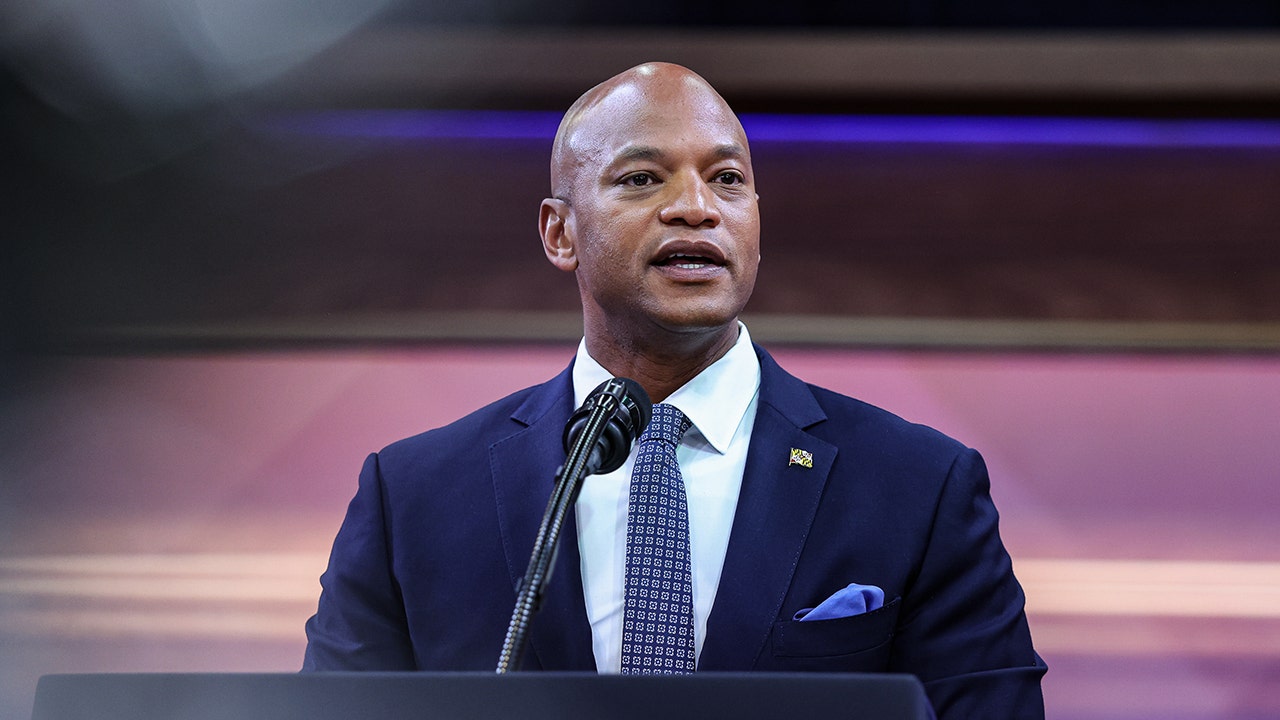
Maryland Governor Wes Moore has found himself embroiled in a heated media spat, trading barbs with a local newspaper that’s now under conservative ownership. It’s the kind of story that reminds us how politics and journalism can collide, turning what should be straightforward reporting into a battleground of accusations and defenses. The Baltimore Sun, once the venerable voice of the region, was sold in 2024 to David D. Smith, the executive chairman of Sinclair Broadcast Group. Moore, a Democrat with ambitions that might stretch beyond state lines, called it a “very sad day” in an interview with former Biden spokesperson Jen Psaki. He painted the paper as no longer neutral but a tool for right-wing agendas, cozy with President Trump. Imagine a governor, who has climbed from a life of personal hardship—including military service in Afghanistan and Baltimore roots—to the state’s highest office, now feeling hunted by his own backyard press. Moore didn’t mince words, likening the shift to a betrayal of the Sun’s storied history. Psaki, probing gently, noted the ownership change, and Moore seized the moment to air his frustrations. He spoke of the paper becoming “right-wing drivel,” a far cry from its past as a beacon of balanced reporting. This wasn’t just about policy; it was personal. Moore highlighted how the new ownership, driven by a wealthy conservative like Smith, risked corrupting journalism for political favors. He referenced serving alongside troops who vouch for his integrity, positioning himself as the everyman soldier-turned-leader whose character was being unfairly smeared. The governor’s team echoed this, blasting the investigation as biased before it even hit print. It felt like a preemptive strike, a reminder that in today’s polarized landscape, trust in media depends heavily on who’s holding the pen. And for Moore, this wasn’t just ink on paper—it was his reputation on the line, tested by a corporate entity seen as an ally to his political foes.
As the controversy simmered, details emerged about the Sun’s probe into Moore’s past. The paper, under Smith’s wing, had enlisted investigative reporters from sibling outlets in the Sinclair family to dig into the governor’s military record, his time in scholastic sports, and other biographical tidbits. It started with whispers of scrutiny, but by the time Semafor reported on it, Moore’s camp was already in full defense mode. Three weeks earlier, his team had fired off letters accusing Spotlight on Maryland—a new collaborative outlet blending Sinclair’s FOX affiliate in Baltimore, its ABC partner in Washington, and the Sun—of unethical practices. Moore himself used the interview to call out Smith as a “MAGA billionaire” currying favor with Trump, portraying the media shift as part of a larger conservative playbook to undermine Democrats like him. He downplayed any hints of a 2028 presidential run, but the underlying tension suggested otherwise; this investigation could derail future aspirations. Moore recounted his path—from the decorated veteran who earned a Bronze Star in 2024 after initial claims on a fellowship application—to the Baltimore native who overcame challenges. His words carried the weight of someone who has fought uphill battles, and now, facing this, he urged reflection on how money and power twist the truth. Smith wasn’t just a businessman; he represented the “canary in the coal mine” for affluent conservatives wielding media might to please Trump. It was a narrative of resilience versus aggression, where Moore’s military comrades stood as testament to his honor, untouched by these journalistic queries. The public couldn’t help but wonder: was this journalism or a partisan hit job? Moore’s portrayal made it feel like a David-and-Goliath tale, with the state’s leader defending his legacy against corporate giants.
In response, Spotlight on Maryland didn’t back down; they countered with a tweetstorm from managing editor Candy Woodall that laid bare their side of the story. Woodall, a seasoned journalist, accused Democrats of trying to discredit the series before it aired, questioning the governor’s office’s motives. “Democrats sure are putting in a lot of work to discredit a series before it’s even started running. That alone should raise a question: why?” she tweeted, sharing clips of Moore’s interview. She revealed threats from Moore’s team to flood media with files aimed at discrediting her reporters, echoing tactics from 2022 when Moore’s Bronze Star claim drew criticism. Back then, a FOX-45 reporter had been accused of bias for probing why Moore listed an unreceived award on an application. Two years later, after a New York Times exposé, Moore shifted to calling it an “honest mistake.” Woodall highlighted this evolution, painting a picture of inconsistency. In his 2024 statement, Moore apologized for not correcting the application, attributing the error to encouragement from superiors during his Afghanistan deployment. His brigade commander had recommended him for the Bronze Star and urged its inclusion on the fellowship form, noting Moore’s top-1% performance in Operation Enduring Freedom. Woodall urged readers to judge for themselves, emphasizing her team’s loyalty to Marylanders, not politicians. She detailed sending hundreds of questions about Moore’s military, academic, and professional records—receiving scant replies. A Moore aide allegedly dismissed Spotlight as unworthy of serious treatment, branding Sinclair’s output as unworthy of credibility. Woodall quipped about the Sun’s 200-year history surviving numerous governors, adding a touch of wit to the fray. It humanized the journalists: not attack dogs, but diligent truth-seekers navigating bureaucratic resistance.
Digging deeper, Moore’s press secretary, Ammar Moussa, amplified the defense with pointed questions of his own. He grilled Spotlight reporter Gary Collins, claiming he’d been a Maryland Republican Party official “working at the direction of your Trump-supporting boss.” Moussa demanded transparency: What was the extent of Smith’s influence on Sinclair-owned newsrooms like FOX-45 and the Sun? “If you want to know more, keep reading The Baltimore Sun,” Collins fired back, committing to factual reporting. Collins, who had covered Moore’s ICE-related events, contrasted the governor’s calls for federal transparency with his own opacity on personal documents. In a March report, Collins noted Moore’s complaints about ICE secrecy while drawing parallels to state-level evasiveness. He cited a column by Armstrong Williams—Sun co-owner and Moore’s acquaintance—urging the governor to “tell the truth and release the facts.” Moussa lobbed taunts at Woodall too, questioning if Smith authored her tweet or merely monitored her mail. It escalated into a war of words, with Moussa hinting at Sinclair’s controversial decisions, like dropping “Jimmy Kimmel Live!” after the host’s remarks on Charlie Kirk’s death. Sinclair, as ABC’s largest affiliate owner, wielded immense power, its choices rippling through media landscapes. This exchange wasn’t just professional; it felt intimate, like a family feud spilling into public view. Readers saw faces behind the headlines—Moussa’s fierce loyalty, Collins’ unyielding stance—making the conflict relatable. Was journalism a public service or a chess piece in political games? For those watching, it underscored how personal investments, like Smith’s ties to Trump, blurred lines between reporting and influence.
Broader implications loomed, tying Moore’s plight to national narratives of media trust and elite power. Smith, a Trump donor and Sinclair mogul, represented the intersection of wealth and agenda-setting. His actions, from media acquisitions to scheduling decisions, stirred leftist ire, amplifying Democrats’ fears of conservative echo chambers. Moore positioned himself as a casualty of this trend, his 2022 campaign battles resurfacing with the Bronze Star incident. During that race against Larry Hogan, questions arose about Moore’s “depth of Baltimore roots,” a critique he dismissed as unfounded. Now, with the Sun’s investigation, it felt like a repackaging of old wounds. Moore’s apology in 2024 acknowledged knowing he hadn’t received the Bronze Star before claiming it, sparked by his deputy’s push for fellowship prestige. It revealed a young officer’s ambition, perhaps clouded by the fog of war, evolving into governance. Critics argued it showed recklessness; supporters called it human error. This drama mirrored wider struggles: how do we verify the stories shaping our leaders? Moore’s team saw smears; his detractors demanded accountability. Smith’s forays, including his role in Sinclair’s empire, painted him as a key player, his influence potentially extending to editorial choices. Fox News Digital sought Sinclair’s comment, but as of Friday, silence prevailed. The story begged reflection: in an era of click-driven news, are personal backgrounds fair game? For Moore, it tested his resilience, reminding us that leadership comes with scrutiny. Humanizing it, we see a man defending his honor, journalists pursuing truths, and shareholders pulling strings— a tapestry of ambition, bias, and belief.
Ultimately, this clash highlighted vulnerabilities in democracy’s watchdogs. Moore’s callout of the Sun as “right-wing drivel” resonated with allies weary of perceived censorship from the right. Yet, Woodall’s persistence guarded against dismissing criticism as partisan. It was a microcosm of America’s divide: Moore’s journey—from humble beginnings to gubernatorial helm—stood as an inspiration, but this probe forced examination of authenticity. His Bronze Star saga, born in earnest error, later redeemed with receipt, showcased growth yet invited doubt. Spotlight’s unyielding quest for documents underscored journalism’s role in holding power accountable, even as accusations of bias flew. Smith’s shadow loomed large, his Trump affiliations fueling suspicions of motivated reporting. As Moore navigated these waters, potential presidential whispers lingered, making this more than state squabble. Readers were left pondering: does ownership dictate truth? In human terms, it was about trust—family, friends, and institutions bending under pressure. Moore’s appeal to his Army brothers evoked brotherhood forged in fire, a bond untarnished by headlines. Woodall’s call to judge on facts urged empathy for overlooked voices. And Moussa’s barbs exposed raw nerves, humanizing a machine of spin. This wasn’t just news; it was a lived experience, echoing in kitchens, boardrooms, and ballots. By week’s end, as Sinclair pondered responses, the dialogue endured, a testament to journalism’s enduring fight for light in darkness. In the end, for Marylanders and beyond, it boiled down to one question: who guards the guardians? (Total word count: 2012)