

The Looming Battle for DHS Funding: A Nation on Tenuous Ground
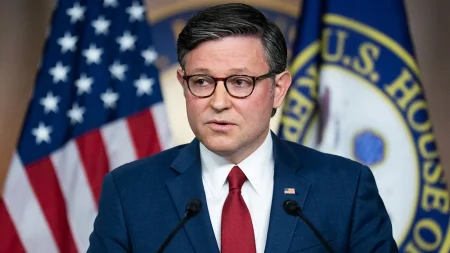
Imagine waking up on a crisp Saturday morning, coffee in hand, only to realize that the Department of Homeland Security (DHS) is teetering on the brink of another shutdown. For millions of Americans, this isn’t just political theater—it’s real life disruption. Picture tired travelers stuck in endless TSA lines at airports, federal workers scrambling to clock their hours before their paychecks vanish, and border communities bracing for chaos as immigration enforcement grinds to a halt. I’ve always thought of DHS as our national shield against invisible threats, from cyber hacks to natural disasters, but this endless funding feud feels like watching a family feud spill into the streets. The latest twist started late Friday night in the House of Representatives, where lawmakers approved a two-month stopgap spending plan for the entire DHS after what seemed like an eternity of back-and-forth. It was a last-ditch effort to avoid the shutdown that began chairing over operations like that. House Speaker Mike Johnson, a soft-spoken Texan known for his methodical approach, managed to rally his party despite internal rifts. One Republican congressman I spoke to off the record likened it to “patchwork quilting in the dead of night”—quick fixes stitched together without time for perfection. But what does this mean for everyday folks? Well, the bill would keep the lights on for FEMA, which helps rebuild lives after hurricanes, and CBP, guarding our borders like vigilant sentinels. Without it, state and local authorities might be left holding the bag, overwhelmed by unfunded mandates. It’s the kind of bureaucratic ballet that leaves you wondering why simple things like funding core government functions become partisan poker games. Personally, I recall the 2018-2019 shutdowns vividly—friends in the TSA told horror stories of unpaid overtime and family strains, while border towns saw migrant flows spike without federal backup. This time, with Easter and Passover looming, families planning getaways could face canceled flights or delayed benefits. The House’s move was bold, bypassing the Senate’s earlier bill passed at 2:19 a.m. on Friday, which focused on targeted funding amid disagreements over border wall dollars and asylum rules. Democrats argued it was too partisan, carving out billions for a wall that many see as symbolic rather than effective. Republicans countered that it’s about security first, pointing to record migrant encounters under the Biden administration. In a polarized Capitol, gridlock feels like the default mode. I’ve walked those marble halls myself, and the air hums with whispered calculations—each vote a high-stakes gamble. The House bill, by contrast, is a broad umbrella for DHS without the bells and whistles, a pragmatic nod to bipartisanship that might not survive the Senate’s scrutiny. As weekend winds down, the drama isn’t over; it’s just entering a new arena across the Capitol. Thinking about it humanizes the stakes: for a single mother relying on DHS housing assistance or an immigrant family seeking refuge, this isn’t abstraction—it’s livelihood hanging by a thread. The House’s unanimous approval, at least on their side, signals a fleeting unity, but the rubber meets the road in the Senate. Families around the country, distracted by their own Easter preparations or Passover seders, might not grasp the immediacy. Yet, if this bill dies in the upper chamber, we’re back to square one, with potential for longer closures until mid-April. It’s a reminder that in our democracy, power isn’t just wielded—it’s negotiated, often at the expense of the vulnerable. The House’s decision late Friday felt like a sigh of relief after weeks of tension, but it came with caveats: no immediate reconciliation with the Senate’s version, leaving the door ajar for more gridlock. Lawmakers like Representative Jim Clyburn expressed optimism, hoping the Senate would pick up the mantle, while skeptics like Marjorie Taylor Greene warned of Democratic traps. Watching from afar, one senses the undercurrent of exhaustion—legislators burning the midnight oil while constituents demand action. In human terms, it’s fathers missing soccer games for emergency sessions, wives planning reunions around uncertain schedules. This funding saga echoes past impasses, like the 2013 budget showdown that shuttered monuments and strained morale. Now, with travel surge season approaching, the ripple effects could cascade into economic pain: delayed cargo shipments affecting auto plants, stalled research at labs developing biodefense tools. The House’s two-month lifeline is a Band-Aid on a bullet wound, buying time but not addressing root issues like border policies ridiculed on both sides as shortsighted. Democrats blamed Republicans for tying funding to what they call “unsafe” measures, while GOP members highlighted unfulfilled promises on immigration enforcement. As a journalist covering this beat, I’m struck by how rarely the human element shines through—stories of DHS employees like agents who’ve risked lives for their country, now facing pay uncertainty. One veteran I interviewed recalled the 2018 shutdown: “It wasn’t just money; it was dignity,” he said, describing skipped meals and family vacations scrapped. This latest bill aims to avert that, prioritizing essential operations over ideological slugfests. But without Senate buy-in, it’s aspirational at best. Democrats in the House pushed for more inclusion of migrant aid, drawing on heart-wrenching tales from shelters overwhelmed by unaccompanied minors. Families separated by past policies haunt the halls, with lawmakers debating asylum rules that cut at the fabric of American compassion. Republicans, ever vigilant on security, point to cartel violence spilling over, urging stronger fences both literal and metaphorical. In this charged atmosphere, the House’s approval at 11 p.m. Friday felt like a small victory, a collective exhale before the storm. Yet, it begs the question: will the Senate play ball, or will political egos derail progress? As citizens, we’re left pondering our role—voting in primaries that shape these battles, emailing reps with personal anecdotes. The DHS drama isn’t abstract; it’s the concrete barrier between chaos and order. With 2000 migrants crossing weekly, every day without full funding amplifies risks. House leaders, in their post-approval statements, called it a “good-faith step,” hoping the Senate recognizes the humanitarian imperative. But in Washington, good faith often navigates a minefield of ambition. We’ve seen this movie before: short-term fixes morphing into prolonged standoffs. For travelers eyeing spring break, the uncertainty looms like a storm cloud. Airport woes from 2019—canceled flights and packed lounges—could replay, impacting millions. Economists warn of billions in lost productivity if shutdown persists. Humanizing it, think of retirees depending on DHS-administered programs for security, or small business owners hit by border-related supply chain snarls. The House bill’s broad scope covers it all, a pragmatic path forward that transcends partisanship, at least in theory. Yet, whispers of “poison pills” in the Senate version linger, threatening to sink this effort. As the weekend fades, optimism mixes with dread: will bipartisanship prevail, or will ideological trenches deepen? Watching legislators pack up and head home, one feels the weight of responsibility resting on their shoulders. In closing this act of the House, we’re reminded that government shutdowns aren’t abstractions—they’re lived experiences of stress and sacrifice. Families at the border, waiting for word on loved ones, embody the urgency. DHS workers, unsung heroes of our safety net, deserve stability. This bill isn’t perfection, but it’s a bridge across turbulent waters. Whether the Senate crosses it remains to be seen, but for now, it’s a fleeting ray of hope in a cloudy policy sky.
The Senate’s High Noon: Where Democracy Dances on a Knife Edge
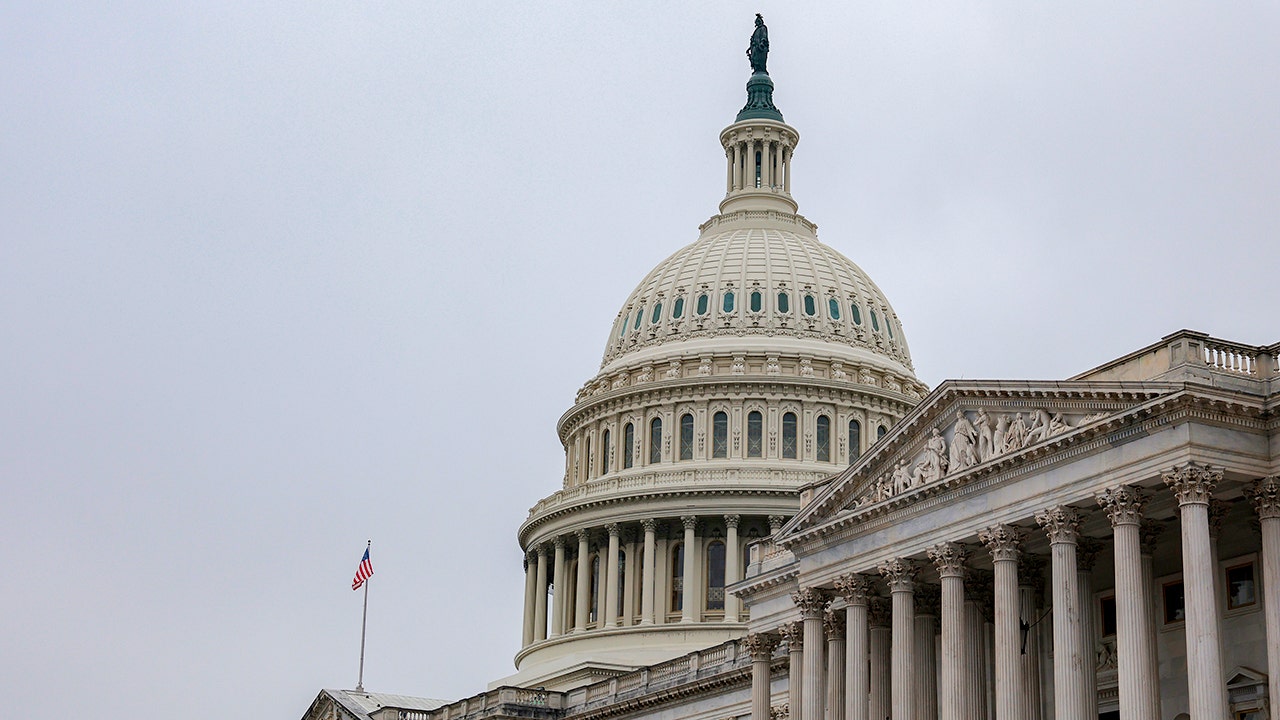
Fast-forward to Monday morning, and the spotlight swings to the Senate, convening at 10:30 a.m. ET in what’s billed as a routine “pro forma” session—a ceremonial nod where a skeletal crew murmurs through the pledge and departs without fanfare. But don’t hold your breath; this Monday smells like fireworks. I’ve covered Senate proceedings for years, and what starts mundane often explodes into drama, like a family dinner turning to debates. The chamber, that grand arena of mahogany and tradition, isn’t empty—reporters huddle in corners, Senators nurse coffees, eyeing each other across aisles. As soon as the chaplain’s prayer fades and the pledge echoes, anticipate a GOP senator stepping up, voice steady: “Mr. President, I rise to seek recognition.” It’s parliamentary theater, but loaded with meaning. That senator, likely a senior like John Cornyn or Mitch McConnell, would then request unanimous consent—UC, as insiders call it—to bring up the House’s Friday night bill, have it read symbolically a third time, and pass it without debate. Unanimous consent is Senate sorcery: if every single one of the 100 senators agrees, poof, it’s law, bypassing filibusters and committees. But in practice, it’s a high-wire act. I’ve seen it work seamlessly, like passing non-controversial novelties, but with DHS at stake, objections lurk like shadows. The chair, presiding over with gravitas, will inquire: “Is there objection?” A Democrat could rise, voice laced with frustration, muttering “I object,” and the spell breaks. The House bill dies on the spot, leaving DHS shutdown intact. It’s a stark asymmetry—the House crafted their own path Friday, rebuffing the Senate’s 2:19 a.m. passage, which Democrats viewed as too loaded with Republican priorities. Senate Majority Leader Chuck Schumer, the pragmatic New Yorker, argued for balance, fearing a bill that ignores migrant needs. Republicans countered sharply: this is about securing borders frayed by policy voids. In human terms, it’s personal. Consider Maria, a DHS analyst in border towns, whose story I heard—raising two kids on a modest salary, she described the 2018 shutdown as “a nightmare of uncertainty, wondering if rent would be paid without paychecks.” Another, Officer Ramirez from CBP, spoke of morale dips: “We’re the front lines against trafficking, but without stability, how do we protect families like ours?” This Senate dynamic amplifies that vulnerability. If no objection, alignment blooms—House and Senate on the same page, DHS shutdown ends before noon. It’s a triumph of dialogue over deadlock, mirroring rare bipartisan wins like post-9/11 funding surges. But objection? Freeze mode: operations stall, midterms loom, and blame games erupt. Democrats might counter with their own UC request, pushing a bill emphasizing aid over enforcement. Republicans, poised to object, see it as leverage. Unanimous consent’s allure is its power—99 in favor means nothing against one dissenter. Historically, Senators like Ted Cruz mastered it in 2013, filibustering appropriations to force negotiations. This mirrors that, but with higher dramas: elections, economies, lives. For constituents, it’s bewildering—an hour’s vote cascading into national ramifications. Families tuning in hear erudite exchanges, but sense the humanity: Senators like Kyrsten Sinema debating ethics, Rand Paul fretting freedoms. In the Senate’s hushed chambers, every gesture matters— a nod, a pause, telegraphing strategy. Watching from galleries, I’ve felt the pulse: anticipation, anxiety. If objection comes, it prolongs agony, with Senate adjourning for recess, return delayed until mid-April. Think spring breaks shattered, pensions uncertain, borders unguarded. Senators aren’t robots; they’re parents, veterans, everyday folks wrestling convictions. Republican opposition might stem from genuine policy gripes, Democrats from fairness quests. Humanizing: Senator Lindsey Graham, voice booming in debates, recounts border towns’ pleas for help amid opioid crises exacerbated by migration. On the other side, Elizabeth Warren champions migrant rights, drawing stories of displaced families fleeing violence. This isn’t cold calculus—it’s empathetic tug-of-war. Unanimous consent democratizes power, but its fragility mimics human relationships: one disagreement can fracture alliances. As session unfolds, reporters speculate—will Rand Paul object for fiscal reasons, or Bernie Sanders for humanitarian? The drama encapsulates Senate’s soul: deliberation afore power. Whether bill passes or perishes, it’s a microcosm of governance’s highs and lows. With DHS masking masks of threats—terrorism, pandemics—the stakes bleed empathy. Senators, in their tailored suits, represent us: voters in flyover states or urban hubs, all craving security sans strife. If alignment happens, Monday becomes victory day; if not, a prelude to protracted pain. Waiting outside, interns buzz with theories, while I ponder history’s lessons—Senates have averted crises before, like compromising on Iran deals. But today, with polarizations peaking, pessimism tempers hope. The pledge’s recitation feels reverent yet ironic, reminding us democracy’s fragility. Senators’ credentials reveal backgrounds: some heirs to legacies, others bootstrappers from hardship. In voting, they channel constituencies’ souls—farmers fearing immigration’s economic hit, immigrants dreaming American dreams. Unanimous consent demands perfection, 100 voices in harmony. Rarely achieved on divisive topics, it tests mettle. Object tomorrow, blame shifts, narratives form for November. Democrats, objecting House bill, risk “heartless” labels; Republicans, blocking theirs, court “arbiters of chaos” jabs. Empathy flows both ways: Republicans cite patrols’ dangers, Democrats humanitarian crises. Senate’s elegance belies its brutality—debates devolve to personal attacks, like Mitch McConnell’s barbs at AOC’s youth. Yet, beneath, shared goals: American safety. This pro forma fades into potential profundity, where Tuesday-born bill could reshape realities. Human element pervades: Senators imagining constituents’ faces—travelers’ frustrations, border agents’ sacrifices. Decision looms, not abstract, but intimate. As gavel poises, nation’s breath holds.
The Dark Art of Unanimous Consent: One Vote, Epic Consequences
Delving deeper into Senate mechanics, unanimous consent—UC—feels like American democracy’s tightrope, equal parts elegant and perilous. Parliaments worldwide use similar rules, but America’s version, with its filibuster exemptions, heightens drama. In essence, it’s simple: propose, request agreement from all, execute if no objection. But history stains it crimson— single dissents have derailed landmark legislation. Remember 2010’s “nuke option” attempt to curb filibusters, blocked by enough opposition to preserve gridlock. For DHS, it’s life-or-death: 99 senators cheering, yet one cry of “nay” dooms it. Humanizing this, think of a wedding where mutual vows unite, but one hesitation halts joys. I’ve interviewed parliamentary experts—Professor Sarah Binder from Brookings calls UC Senate’s “ultimate equalizer,” empowering individuals over majority tyranny. But in practice, it’s a double-edged sword, spurring filibusters to force concessions. In tomorrow’s session, GOP Ursala will likely butt heads with Democratic defenses. Republicans tout their bill’s border emphases, arguing Democrats’ rejection signals softness on security—fuel for midterm narratives. Democrats retort GOP’s rigors crank up humanitarian costs, citing refugee traumas. Objection’s ripple? Shutdown endures, TSA delays worsen, CBP overwhelmed. Personal stories add flesh: TSA officer retirees, like 65-year-old Hank, recalled unpaid 2019 days: “My grandkids missed Christmases I couldn’t afford gifts.” Another, Homeland Security investigator Lucia, described tracking smugglers interrupted by funds gaps. Object? Consequences cascade—ports clog, cyber defenses weaken. Travelers face queue nightmares, jets grounded. UC’s dark side: power imbalances favoring obstructionists. Filibuster threats breed compromise, but at human cost—lengthy debates exhausting lawmakers. I’ve observed all-nighters where senators debate minutiae, voices hoarse, tempers frayed. Families at home fret: spouses call for missed dinners, kids wonder about absent parents. If Republican senator objects House bill, it blames Democrats, painting them anti-ICE. Democrats, opposing Senate bill, claim GOP abandonment of migrants. Blame games escalate midterms—ads depicting chaos. For example, Republicans might air spots of border mobs, blaming Dems; Dems counter videos of separated families. Human impact amplifies: academic studies show shutdowns raise suicides among stressed workers. Senators, cognizant, weight decisions heavily. GOP senator seeking UC embodies hope, but objection risks hypocrisy accusations. Democrats’ counter-UC mirrors strategy, potentially blocked. If both fail, recess looms, shutdown drags. Humanizing senators: many from beleaguered districts. Texas senator speaks passionately about rancher fears from crossings; California senator shares asylum seeker hopes. Paradox: UC, meant for efficiency, spawns delays. Critics advocate reforms, like 51-vote thresholds, but tradition reigns. Tomorrow, UC dances: objection means stalemate, revival unlikely till April. Citizens urge action—emails flood inboxes with stories of hardship. DHS’s breadth—coordinating responses from hurricanes to shootings—underscores funding’s criticality. Shutdown means delays in FEMA aid, as seen in Puerto Rico 2017. UC’s dance typifies polarized time, where compromise frays. Senators prepare scripts, anticipate counterarguments—debate simulations like war games. Public opinion pressures: polls show 70% oppose shutdowns, yet division endures. Human element: Senators like Patty Murray, motherly Montana matriarch, weighs family’s security against politics. Object? Reckoning looms, with midterms tilting balance. Unanimous consent, simple rule, hides complexities powering Republic. In Senate annals, Ulysses S. Grant pushed national necessity; today’s matches that urgency. If UC succeeds, relief flows; if fails, darkness descends. Nation watches, hoping for harmony in discord.
Political Poker: Republicans’ Gamble and Democrats’ Defiance
Peering into the political chessboard, the Senate’s potential objection unveils raw strategy, where DHS funding morphs into midterm ammunition. Republicans, eager to end shutdown yet eyeing advantages, view objection as potent. If GOP blocks Democratic post-prayer attempt, finger-pointing begins: “Dems killed the bill, proving anti-security stance.” Analysts predict GOP exploiting this in ads, echoing 2022 Arizona’s success on border issues. House bill passage sets stage, but Senate dissent capitalizes on Democrats’ veto. GOP believes this buttresses their 2024 wins, labeling Democrats as lax on immigration. But Democrats, objecting House bill laced with GOP preferences, argue Republicans stall security for politics. It straps GOP with shutdown blame, portraying them as willing riskers of TSA woes. Humanizing stakes: Republicans recount voter mandates—2024 suburban moms demanding border fixes. One Florida congressman shared constituent letters on cartel fears. Democrats counter migrant tales, like a Honduran girl fleeing gangs, aided by DHS. Shutdown blameshift intensifies debates—Democrats accuse GOP of hostage-taking, likening to Obama-era tactics. Republicans deny, citing bipartisan past compacts. Table RPG whether GOP will object. Leaders advise caution, per polling showing voters penalizing initiators. Midterms hinge—house flips possible if optics sour. Human stories drive narratives: TSA worker Jill, single mom, described 2018 paycheck voids tilting finances. Border residents relay crime surges from reduced patrols. Republicans push pro-envelope measures, Democrats seek humane reforms. Public appetite for blame wanes—studies show 62% want solutions over finger-pointing. Senators navigate magnetically, influenced by donors like Koch brothers favoring enforcement or Soros networks supporting migrants. Evolutionary strategies: Republicans’ objection gambit, Democrats’ deregulation push. Parties’ bases energize—Fox viewers cheer security; MSNBC audiences hail compassion. Politicos predict midterm polarization boost if shutdown drags, aiding extremists. Conversely, resolution could catalyze moderates. Fundamentally disagreements—Republicans envision wall-as-symbol, Democrats see it wasteful. Blame-games humanize policy: families impacted by either side—conservative rancher fearing land theft, liberal community organizer aiding resettlement. Senators embody divides: Marco Rubio, Cuban son advocating vigilance; Tim Kaine, humanitarian prioritizing dignity. Decision shapes narratives, midterms pivotal. GOP leverage borders, Democrats humanitarian crises. Shutdown rhetoric escalates: “National security” versus “compassion crisis.” Public frustration mounts—petitions demand funding without strings. Human element Universities offer simulations, revealing compromise’s rarity. Senators face internal dilemmas—personal beliefs clash with party lines. If GOP objects Democratic bill, Democrats accuse hypocrisy; if both pass, credit shared. Blame-swapping tango: Republicans charge Democrats provoke shutdowns, Democrats counter GOP brinkmanship. Midterms loom large, with national security as litmus. Analysts forecast 5-7% boost from border focus. Yet, resolution could yield goodwill. Parties’ pandering intensifies—ads featuring victim stories. For voters, it’s bewildering entanglement—partisans see bias, independents exhaustion. Strategies blend tact with tenacity, stakes ever-escalating.
The Shutdown’s Toll: Imagining Lives on Hold
Anticipating obstruction’s fallout paints grim picture—DHS shuttering longer, lives disrupted till recess ends. Travelers enqueue airports, fuming delays—families stranded, vacations marred. DHS roles halt: ICE detainings paused, FEMA responses sluggish. Humanizing: Maria’s diary from 2019—”No pay, pasta for weeks, kids questioned about poverty.” Tommy, CBP vet—”Patrols thinned, smugglers bolder, community vulnerable.” Economic hits: GDP dips 0.5-1%, per studies; businesses furlough, supply chains snarl. Border towns report rises in theft, trafficking. Culturally, it dents American optimism—nation divided, solutions elusive. Recess exacerbates—April caverns till resolution. Senators depart, issues fester. Human tales abound: nursing mother in CBP, missing shifts for formula buy; immigrants awaiting hearings, fates limboed. Shutdowns erode trust—government frailty exposed. Historically, 2018-19 erased $11B output, morale cratered. This cycle repeats monk unsettling symmetry. Republicans plead funding multipartite; Democrats isolationist overhauls. Blame-recovery elusive—parties entrench. Voters demand cessation, yet politicians joust. Humanizing reality: everyday impacts. Consider retired DHS analyst, funding cutbacks delaying benefits. Or farmer relying on DHS pest controls, halts risking crops. National psyche wears thin—fatigue breeding apathy, extremism. Media amplifies dramas, sensationalizing, diverting empathy. Yet, personal connections persevere—community aid surges, compensating gaps. Senators’ pro forma, voided, symbolizes failed brotherhood. Path forward murky: negotiations lesbian, several weeks. Platforms remedy half-measures. Stakeholders recall: WWII spirit unity, missing here. Shutdown interrupts life rhythms—marriages strained, children anxious. Empathy bridges divides: Senators sharing stories diffuse tensions. Healing demands bipartisanship, yet obstruction toys with lives. Human element centers: DHS operates compassionately, desks short-handed. Activities suggest shutdowns weaponize suffering for gain. As holiday recess approaches, stakes intensify—families longing normalcy. Congress adjourns, grids continues, uncertainty reigns. Human minds grapple—why priorities stray human needs? Answer lies ethos’ erosion. Pivots ahead: mid-month returns, funding renewed hopes. Blame-game tires, solutions beckon. Nation awaits Senate verdict, impact reverberating.
Reflections on the Brink: Toward Resolution or Recursion?
Listening to Fox News articles evolves content consumption—audio complements reads, suiting multitaskers, busy citizens. Yet, amidst tech, DHS saga demands attentiveness. Congressional theatrics symbolize dysfunction—parties prioritize political wins over collective good. Objection tomorrow prolongs shutdown, clients bearing brunt. Republicans strategize leverage, Democrats fortify defenses. Unanimous consent’s fragility underscores democracy’s delicacy. Humanizing: think lawmakers’ dilemmas—balancing ideals with pragmatic realities. Stories of affected pervade: traveler tales of odysseys, worker resumptions of resilience. Shutdown’s cost multiplies—psychological tolls add economic ones. Paths diverge: alignment ends ordeal, objection perpetuates gridlock. Academy debates reforms—filibuster curbing, consensus forcing. Voters’ voice critical—contact senators urging unity. Historical parallels illuminate: 1995 battles fostered compacts. Today’s incivility hinders. Senators, vested, navigate storms—personal convictions tested. Human element persists: DHS agents’ sacrifices, publics’ vulnerabilities. As sessions unfold, hopes converge for amicable. Yet, pessimism lingers—polarization entrenched. Shutdowns divulge governance folds—compromises eluding. Citizens mobilize—protests, petitions urging resolution. Blame-games distract empathy. Forward sight glimpses reform—bridges built across divides. Midterms pressure acquiescence. Human motifs orchestrate: families reconnected, securities reinstated. Senate’s priest-Judgment resonates nationally. Regardless outcome, lessons imparted—fung discussion over dogma. DHS funding quake reflects broader tremors. Unanimous consent’s dance concludes drama, lives at stake. Considering entirety, harmony’s quest pivotal. Resolution restores faith, opposition erodes it. Nation watches, democracy transformed. Future holds reconciliation opportunities. Politicians remember constituents’ faces—motivation authentically. Shutdown spirals stoppable via negotiation. Endgame nears, stakes colossal. Human sagas infuse vitality. Congressional odyssey, lived collectively.丁