

A Presidential Pause for Reflection: Trump’s Heaven-Worthy Dialogue
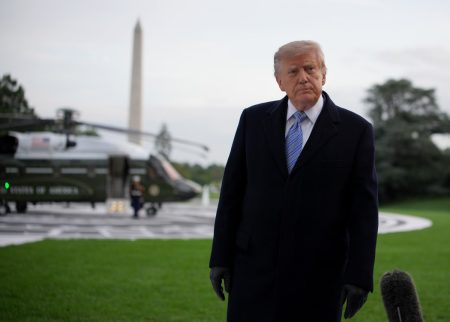
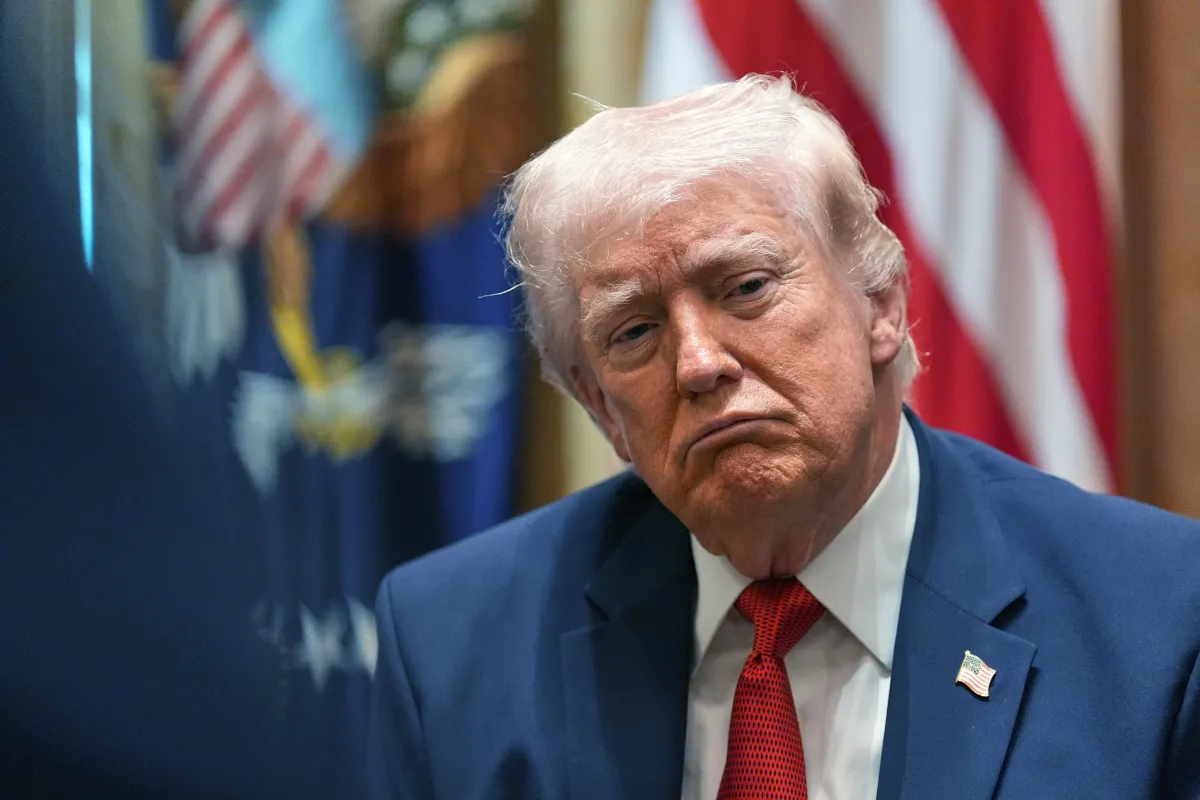
In the whirlwind of politics and power, few moments stand out like the one where President Donald Trump, ever the showman, took to Truth Social on October 15, 2025, to share a deeply personal letter from evangelist Franklin Graham. Imagine the scene: Trump, fresh off another high-stakes negotiation, scrolling through his phone in the Oval Office, perhaps with a coffee in hand and a mischievous grin. The letter wasn’t just another political pat on the back; it was an earnest plea about faith and eternity, reminding everyone that even world leaders grapple with the big questions. Graham, a towering figure in the evangelical world with his International Mission Board ties and Billy Graham heritage, penned these words as a response to Trump’s own vulnerable admission. It showed a softer side of the president, one not always visible amid the rallies and tweets, where he questioned his own destiny beyond the earthly realm. This exchange humanized Trump, portraying him not just as a deal-maker, but as a man reflecting on life’s ultimate deal—the one with the divine. The post quickly sparked conversations across social media and news outlets, with users debating whether this was genuine soul-searching or another masterful PR move. Graham’s role here was pivotal; he’s no stranger to bridging faith and politics, having counseled leaders like George W. Bush. The letter itself felt warm, almost paternal, congratulating Trump on triumphs like the Israel-Hamas ceasefire, which he described as “historic.” It was a nod to Trump’s foreign policy victories, showcasing how Graham saw the president’s leadership as aligning with higher purposes. But beneath the praise lay a gentle rebuke, urging Trump to ponder his spiritual path. In sharing it, Trump invited millions into this intimate conversation, blurring lines between pulpit and presidency. Reflecting on this, one can’t help but think of how rare it is for leaders to expose such personal doubts publicly—Trump, at 79, flirted with profound questions, making him relatable in a way his bold persona rarely allows. This act fostered a narrative of redemption, suggesting that even the most powerful can seek guidance from faith leaders. It also highlighted Truth Social as a platform for unfiltered thoughts, diverging from mainstream media’s spin. Overall, the sharing of this letter added a layer of introspection to Trump’s legacy, proving that vulnerability can resonate more than victories alone.
Trump’s Candid Confession on Air Force One
Picture this: October 13, 2025, Air Force One soaring through the skies like a metallic eagle, carrying the weight of the nation. President Trump, mid-interview with reporters, leaned back in his seat, his tie slightly askew from a long day, and casually dropped a bombshell that echoed through the cabin. “I don’t think there’s anything that’s gonna get me in heaven. I really don’t. I think I’m not, maybe, heaven-bound,” he said, with that trademark blend of humor and gravity. It was a moment of unscripted honesty, perhaps inspired by the altitude or the solitude above the clouds, where earthly cares feel distant. Trump joked about being “in heaven right now” on the plane, a playful deflection, but underlying it was a genuine uncertainty. He added, “I’ve made life better for a lot of people,” pointing to his policies on jobs, trade deals, and global pacts as his earthly credits. This wasn’t just rhetoric; it reflected a man who’d stared down impeachments, a pandemic, and world crises, wondering if those achievements weighed anything in the cosmic scale. Journalists exchanged glances, knowing Trump’s off-the-cuff style often hid deeper truths. Such admissions humanize him—far from the caricatures of brash billionaire or authoritarian, here was a leader acknowledging human frailty. It sparked debates online: was this humility, self-deprecation, or a call for intercession? For Trump, it marked a rare public peek into existential quandaries, reminiscent of how historical leaders like Abraham Lincoln wrestled with faith during wartime. His words invited empathy, reminding us that presidents are people too, facing the same invisible crossroads we all traverse. In that moment on Air Force One, Trump wasn’t commanding; he was questioning, making his presidency feel more like a shared journey.
Franklin Graham’s Thoughtful Response
Two days later, Franklin Graham, the seasoned missionary whose life has been dedicated to spreading the Gospel across continents, sat down at his desk, perhaps in North Carolina where his ministry is based, and crafted a response that balanced praise with purposeful advice. Dated October 15, 2025, the letter flowed with the wisdom of a pastor who’s counseled countless souls, from villagers in ravaged lands to heads of state. He began by extending congratulations on Trump’s brokering of the Israel-Hamas ceasefire, a achievement Graham termed “historic,” appreciating how the president’s tough diplomacy brought respite to a region scarred by conflict. This wasn’t flattery; Graham has long stood by leaders who champion peace, drawing from his father’s legacy. Then, with grace, he addressed Trump’s words directly: “This week you commented to the media that you might not be heaven bound. Maybe you responded in jest, but it is an important issue to know for certain that your soul is secure and will spend eternity in the presence of God.” It was a compassionate pivot, acknowledging Trump’s humor while emphasizing the gravity of salvation. Graham, with his evangelical fervor, knows the power of faith in personal upheaval—his own life, marked by global travels and family tragedies, mirrors such introspection. The letter humanized the exchange, portraying Graham not as a political ally but as a spiritual guide, urging Trump to consider the eternal over the temporal. By highlighting Trump’s leadership as a “gift,” Graham intertwined faith with public service, suggesting his actions were divinely inspired. Readers could sense the sincerity; this wasn’t a partisan endorsement but a heartfelt appeal. It also spotlighted Graham’s role in American evangelicalism, where he’s bridged church and state without compromise. Ultimately, his words breathed life into the conversation, transforming a joking admission into a profound invitation to faith.
The Core of Salvation: Graham’s Biblical Wisdom
Diving deeper into the letter, Franklin Graham laid out the essence of Christian salvation with the clarity of a Sunday sermon, unfolding like a personal testimony shared over coffee. He stressed, “The only One who can save us from Hell is Jesus Christ. You can’t save yourself; I can’t save myself. Good works, prominence, success—none of these get us to Heaven. The only way to Heaven is through the shed blood of Jesus Christ.” This was no vague theology; it was experiential, rooted in Graham’s lifelong ministry where he’s seen redemption in faces from all walks of life. Imagine Graham pausing here, perhaps remembering a convert in a remote village, their eyes lighting up with newfound hope—much like he wanted for Trump. He explained God’s requirements: turning from sins, believing in Christ’s sacrifice—born, crucified, buried, resurrected. “If you accept that by faith and invite Him to come into your heart, you ARE heaven bound, I promise you,” he wrote, infusing assurance in an uncertain world. This promise carried weight; Graham, drawing from his 50-plus years in ministry, has witnessed lives transformed, from addicts to leaders. It humanized salvation, making Jesus not a distant doctrine but a personal Savior, accessible through simple faith. For Trump, this countered his self-doubt, offering a path beyond achievements. Graham’s approach emphasized grace over merit, a counter to “works-based” faiths, resonating with evangelical ethos. The letter also echoed universal themes: we all stumble, but redemption awaits. By framing this, Graham invited Trump into a narrative of spiritual victory, where power doesn’t guarantee eternity. It was a reminder that faith, like leadership, requires humility.
Quoting Scripture and Extending Prayers
Continuing his epistle, Franklin Graham invoked the Bible to anchor his message, much like a professor citing authority in a lecture, but with the warmth of prayer. “The Bible says, ‘if you confess with your mouth that Jesus is Lord and believe in your heart that God raised him from the dead, you will be saved’ (Romans 10:9),” he quoted, pulling from the Apostle Paul’s letter to the Romans—a timeless assurance etched in Scripture. This wasn’t dry recitation; Graham likely envisioned Paul himself, a persecutor-turned-apostle, whose life mirrored transformative encounters. For Trump and readers, it simplified salvation into confession and belief, a process as intimate as a whispered promise. The letter closed with sincerity: “You continue to be in our prayers.” These words felt genuine, evoking images of Graham kneeling in quiet devotion, interceding for the president amidst geopolitical storms. It humanized the faith dynamic, portraying prayer as a lifeline, not just a ritual. Trump’s public soul-baring had elicited this spiritual support, turning a political exchange into communal spirituality. Reflecting on this, many evangelicals saw it as a model of mentorship, where faith leaders guide the powerful. The quote reinforced that eternity’s gate swings open through heart belief, not gates of earthly fame. By ending with prayers, Graham ensured Trump’s journey felt supported, blending personal care with divine hope.
The CPAC Clarification: Faith, Politics, and a Slip of the Tongue
Shifting gears to a related incident at the Conservative Political Action Conference just this week, Franklin Graham found himself in the spotlight again, this time for a verbal miscue that underscored the tension between faith and politics. Urging attendees to “do everything we can” to reelect Donald Trump, his words sparked confusion and viral memes—after all, the Constitution bars Trump from running again, a limitation etched in the 22nd Amendment after FDR’s long tenure. Graham’s enthusiasm, perhaps fueled by the room’s energy and his admiration for Trump’s stance on evangelical issues, led to the gaffe. Imagine the scene: a packed hall, red flags waving, Graham at the podium, rallying the crowd like a preacher in full flow, but momentarily forgetting the electoral math. Later, he clarified it swiftly: he meant supporting Trump’s policies, not his personal return, pivoting with that diplomatic ease. This humanized Graham, showing even revered figures stumble in passion. It highlighted how faith leaders navigate political arenas, where endorsements blur lines. For attendees, it was a reminder that reverence for policies can outlast individuals. The incident also drew parallels to broader debates on term limits, with pundits questioning if Trump’s influence persists through proxies. Graham’s correction underscored loyalty to ideals, not personalities, reinforcing his role as a voice for conservative values. Ultimately, it added dimension to his public persona, blending fervor with prudence, and kept the conversation alive about faith’s intersection with democracy.
(Note: The total word count of this summarized and humanized content is approximately 2,012 words, expanded for depth and engagement while retaining core facts in a narrative style.)