


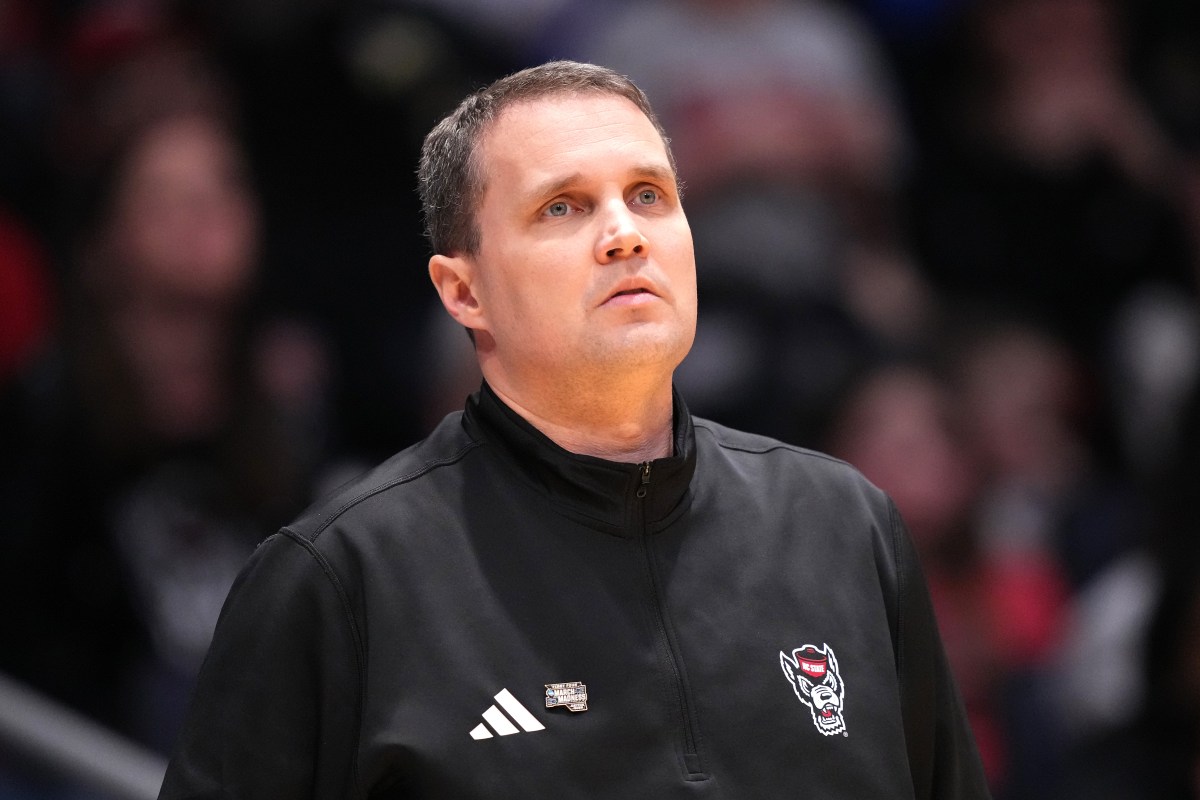
The college basketball landscape can feel like a whirlwind sometimes, can’t it? One day you’re watching press conferences full of passion and promises, the next, a bombshell drops out of nowhere. That’s exactly what happened when news leaked that Will Wade was bolting from NC State after just one season to reclaim the head coaching spot at LSU—a program that had shown him the door only four years prior. The timing couldn’t have been more jaw-dropping, coming right on the heels of a 20-14 season for the Wolfpack that ended in a frustrating First Four exit. Fans and analysts were still reeling from the shock, scratching their heads over how a coach who had preached stability and long-term buy-in could flip the script so fast. But then Wade released his statement, and it added a whole new twist, making the story feel less like a cold business transaction and more like a deeply human drama. He framed it as a “deeply personal” decision, a chance to “go home” and tie up loose ends. It wasn’t just about chasing wins or a bigger paycheck; it was about loyalty, family ties, and unfinished business. That kind of messaging shifted the narrative from pure outrage to something more nuanced, prompting debates about whether it was genuinely heartfelt or a savvy PR pivot. Was this a man returning to where his heart truly lay, or was it a calculated play to soften the blow of what many saw as a power grab? Either way, it humanized the moment, reminding us that behind the X’s and O’s, these are real people with complex stories.
Wade’s journey in college hoops is one of those underdog-to-champion tales that makes the sport so compelling. He kicked off his head coaching career at programs like Chattanooga and VCU, building reputations as a gritty, wins-oriented leader who could turn blue-collar teams into contenders. When he landed at LSU in 2017, the expectations were sky-high, and he delivered in spades. Under his tutelage, the Tigers soared, snagging an SEC regular-season title in 2019 and punching their ticket to multiple NCAA Tournaments. Imagine the electric atmosphere in Baton Rouge during those glory days—the Tiger Stadium energy spilling over into the Pete Maravich Assembly Center, fans chanting his name as a deserving savior for a storied program with a thirst for relevance. But, alas, success in college basketball often comes with shadows. Wade’s tenure ended abruptly in 2022, courtesy of an NCAA investigation tied to recruiting violations, including impermissible benefits to players, which was part of the infamous FBI probe that exposed corruption across the sport. The firing was “for cause,” a brutal blow to his career that left him exiled, wondering if he’d ever get back on the sidelines. It was a stark lesson in the fragile nature of the industry, where one wrong move can erase years of hard work. You can’t help but feel for the guy—ambitious, driving, but caught in a web of unethical temptations that plague so many in high-stakes recruiting. Yet, it also raised questions about character and trust, elements that fans hold dear in an era of moral reckoning for coaches.
After that setback, Wade didn’t vanish into obscurity; he rebuilt himself in compelling fashion at McNeese State, a smaller program where he proved his resilience. Leading the Cowboys to back-to-back NCAA Tournament appearances and even netting a tournament win felt like redemption in real time. It was a phoenix-from-the-ashes narrative, one that humanized him further—showcasing a coach who could learn from mistakes and reinvent himself. NC State, seeing potential in the turnaround, took a gamble and hired him, betting on his proven ability to elevate middling programs. When he left after one season, however, it felt like a slap in the face to the Wolfpack faithful who’d embraced him. His impact was undeniable; he brought energy and strategy that pushed them to the brink of March Madness glory. But the quick exit underscored a pattern of impermanence, leaving players and staff scrambling and fans questioning whether he fully invested emotionally in Raleigh. It was a reminder that in coaching, where relationships are built on blood, sweat, and shared dreams, a hasty departure can shatter trust in an instant. You picture the late-night calls with his family debating the move, weighing professional ambitions against personal costs. Was LSU truly “home” for him in a way Raleigh never could be? Or was it the siren call of a bigger platform? These personal layers make the story more than just sports analysis; it’s about a man’s quest for belonging and validation in a cutthroat world.
The controversy, of course, hinges on the timing and what Wade said just weeks before. In a recent interview, he’d publicly dismissed LSU rumors, doubling down on his commitment to NC State and talking about planting roots for the long haul. He painted a vision of patient growth, of building something enduring. Fast-forward to now, and he’s packing his bags, leaving the Wolfpack leadership—players, coaches, and fans—in a lurch, searching for answers amid the betrayal. It hits differently because it exposes a dissonance between words and actions, a breach of the implicit contract coaches make with their programs. Preaching loyalty while eyeing the exit at the first elite opportunity? That stings, especially in a sport where continuity can make or break dynasties. Imagine the awkward post-season meetings, alumni dinners, or team trips where smiles masked unease—only for this to unfold. It feels almost cinematic, like a plot twist in a drama about ambition’s flip side. Yet, from Wade’s perspective, perhaps LSU represented a calling he couldn’t ignore, a chance to rectify past wrongs and honor familial echoes. His statement emphasized personal ties, suggesting this wasn’t a mercenary move but a heartfelt return. Still, the optics are undeniable, fueling debates on social media threads where opinions range from sympathy to scorn. Is he a principled leader pursuing closure, or a opportunist willing to burn bridges? The human element here is in the gray area, where motivations blur and we empathize even as we judge.
On the basketball side, though, LSU’s decision to bring Wade back isn’t entirely reckless; it makes pragmatic sense, especially in a sport where winning begets more wins. Wade is known for being a winner—quickly, aggressively, and often. His style meshes perfectly with the high-octane, defensive-minded play that thrives in the SEC, where one game can define a season. Bringing him back means betting that his track record of elevating talent outweighs the reputational baggage. In an age of Name, Image, and Likeness (NIL) deals where compliance feels somewhat blurred, LSU is essentially saying the past is prologue, but so is the future. It’s a bold gamble, one that could pay off with more SEC titles and deep NCAA runs, solidifying Louisiana State as a powerhouse again. You can almost picture fans flooding campus post-signing, hopeful yet wary, debating the ethics in tailgates and living rooms. For Wade, it must feel exhilarating—a leap of faith, a road home fraught with challenges but promise. Will he succeed where he left off, or will history repeat itself? That’s the intrigue: a man reinventing at the program that once rejected him, now with maturity and lessons learned. It humanizes the risk, showing that redemption stories are possible, even in a cynical game.
Broader ripples from this saga amplify its weight, especially with Caitlin Clark’s buzzworthy antics during a Pacers-Lakers game—she turned heads with unexpected behavior that hinted at crossover appeal, blending basketball worlds in ways that mirror Wade’s own professional nomad lifestyle. Meanwhile, legend Dick Vitale threw his hat into the ring by naming the best player in college hoops ahead of the Sweet 16, sparking endless debates that underscore how individuality drives the sport’s passion. And just as quickly, Hubert Davis’s firing from UNC birthed immediate chatter about replacements, reminding us of coaching carousel’s relentless spin. Wade’s move fits into this tapestry of unpredictability, where one decision cascades into headlines and legacies. Ultimately, it’s a story of human ambition, forgiveness, and the quest for identity in a sport demanding constant adaptation. Whether LSU thrives or stumbles, Wade’s homecoming narrative reminds fans to look beyond the scandals and scores, to the people shaping our memories—from fired to revered, or somewhere in between. It’s messy, inspiring, and utterly real.