


Boebert’s Bold Stance Against More War Spending
In the swirling chaos of congressional politics these days, where every dollar is fought over like it’s the last one in the coffers, Representative Lauren Boebert from Colorado has come out swinging against the Pentagon’s latest plea for billions. It’s not every day you see a freshman congresswoman take a stand that could shake up the defense budget, but Boebert’s reaction to reports of a $200 billion request for what some are calling the “Iran War” has ignited a firestorm. She’s channeling the frustrations of everyday Americans who feel the government is more focused on overseas conflicts than on fixing problems at home. Imagine being one of her constituents, maybe a family struggling to pay rent in skyrocketing Colorado markets because wages haven’t kept up with inflation, and hearing about this kind of spending. It’s easy to see why Boebert’s voice resonates – she’s not just voting; she’s speaking for those who feel forgotten in Washington. This isn’t about bipartisanship; it’s about priorities, and Boebert is making it clear where hers lie.
The core of the controversy stems from a Pentagon pitch that’s currently winding its way through the administration. According to leaks from senior officials to The Associated Press, the defense department is asking the White House to greenlight $200 billion in additional funds to support military operations tied to escalating tensions with Iran and the broader Middle East conflicts. This isn’t small potatoes – it’s a massive infusion, potentially ramping up air strikes, missile defenses, troop deployments, and who knows what else to “defeat threats” overseas. Think about the scale: $200 billion could rebuild entire cities back home or fund massive domestic programs, but instead, it’s earmarked for what feels to many like endless wars in distant lands. The sources insisted on anonymity, which adds a layer of intrigue, suggesting this might be a sensitive negotiation behind closed doors. In our polarized times, where trust in government is at an all-time low, these kinds of reports only fuel doubts – is this really necessary, or just another expansion of the military-industrial machine?
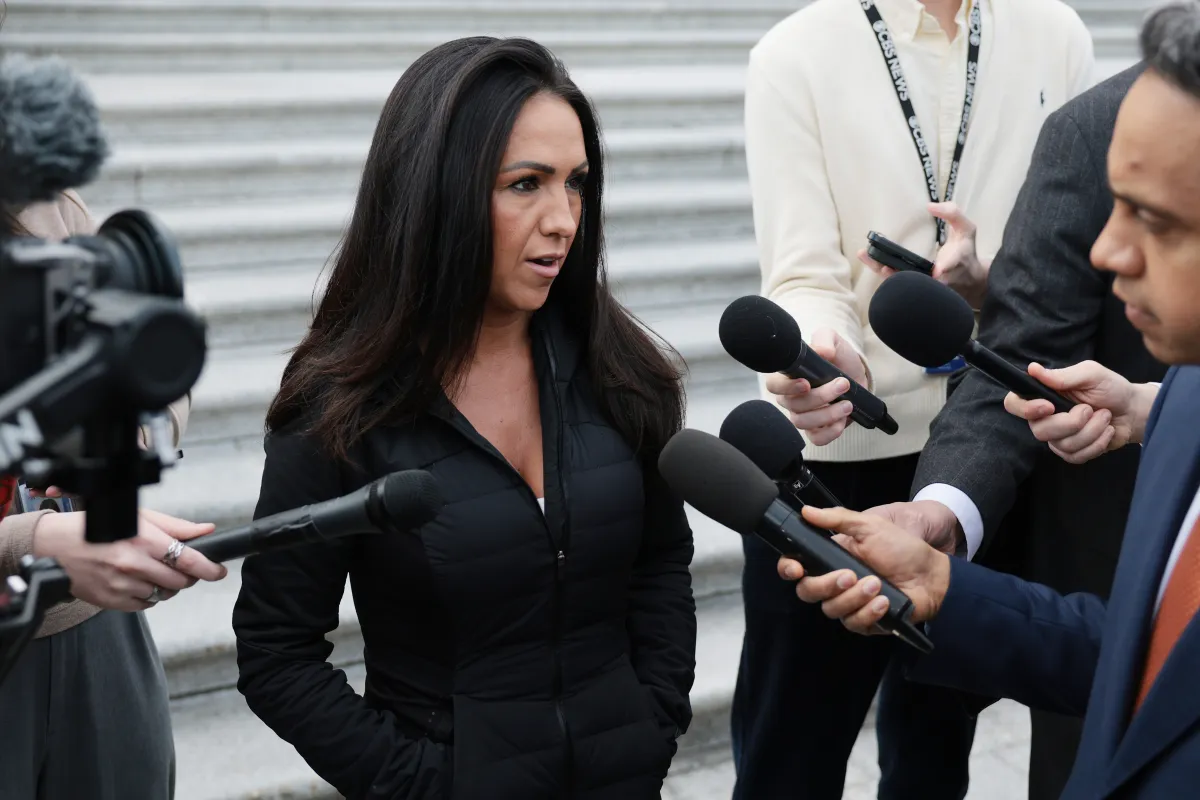
During a Thursday interview on CNN with Manu Raju, Boebert didn’t mince words. “I will not vote for a war supplemental. No. I am a no,” she declared emphatically, her signature fire evident even through the television screen. It’s like she’s drawing a line in the sand, refusing to be swayed by the usual arguments about national security or alliances. Boebert further emphasized that she’s already communicated her position to party leadership, making it crystal clear she’s not budging. Watching this unfold, you can’t help but picture her as the underdog fighter in Congress, unafraid to challenge the status quo. She’s echoed sentiments shared by a growing number of Americans weary of foreign entanglements, especially when domestic issues like homelessness or healthcare crises are begging for attention. Boebert’s response feels refreshingly direct, almost like a breath of honesty in a sea of political doublespeak.
Delving into her reasoning, Boebert pointed to the broader frustrations brewing across the heartland. “I am tired of the industrial-war complex getting all of our hard-earned tax dollars,” she said, invoking a term famously coined by President Eisenhower way back in the day. It’s a critique that’s become shorthand for how military contractors and lobbyists seem to siphon off public funds while everyday folks scrape by. Boebert highlighted her constituents in Colorado – hardworking people who can’t afford basic housing, grappling with the high cost of living in a state renowned for its natural beauty but plagued by economic pressures. “We need America First policies right now, and that? I’m not doing that,” she added, invoking the populist slogan that’s energized so many. This isn’t just rhetoric; it’s grounded in the reality of a nation divided, where the gap between the elite and the average citizen widens. Boebert’s stance taps into a vein of isolationism that’s resurfacing, questioning why we’re pouring resources into conflicts that many view as not directly tied to U.S. security. It’s the kind of talk that humanizes politics – making it about people, not just power plays.
On the other side of the debate, Defense Secretary Pete Hegseth offered a measured, if somewhat vague, defense of the request during a Thursday briefing. “It takes money to kill bad guys,” he stated bluntly, a phrase that could have come straight out of an action movie script. Hegseth cautioned that the exact figure might still evolve, reflecting the fluid nature of military planning, especially in volatile regions like the Middle East. He’s pushing Congress for what he calls “proper funding,” emphasizing operational readiness against adversaries. Yet, his remarks underscore the challenge: justifying billions in a political climate where skepticism runs high. Hegseth’s no-nonsense approach might rally the hawks, but to critics, it sounds alarmingly simplistic, overlooking the human and economic costs. One can imagine the back-and-forth in Pentagon meetings, where strategists balance budgets with geopolitical imperatives, all while public opinion sways unpredictably.
Finally, when Newsweek reached out to the White House for comment on the $200 billion figure, they demurred, directing inquiries back to Hegseth’s words. It’s a classic Washington dodge, leaving more questions than answers in this unfolding drama. The story remains very much in progress, with developments expected as negotiations heat up. Boebert’s fierce opposition could just be the tip of the iceberg, sparking wider debates on fiscal responsibility and foreign policy. In a world where headlines shift faster than weather forecasts, this clash highlights the tension between global responsibilities and domestic needs. It’s a reminder that politics isn’t just about elites in suits – it’s about real lives, real struggles, and the choices that define a nation’s future. As supporters and detractors alike weigh in, one thing’s certain: Boebert has injected a dose of passion into a conversation that’s sorely needed. Whether this escalates into a full-blown budgetary battle or fizzles out remains to be seen, but for now, her voice is amplifying the concerns of many who wonder if enough is ever enough.