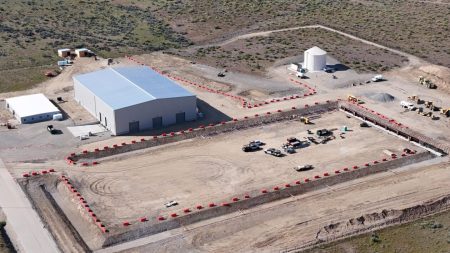




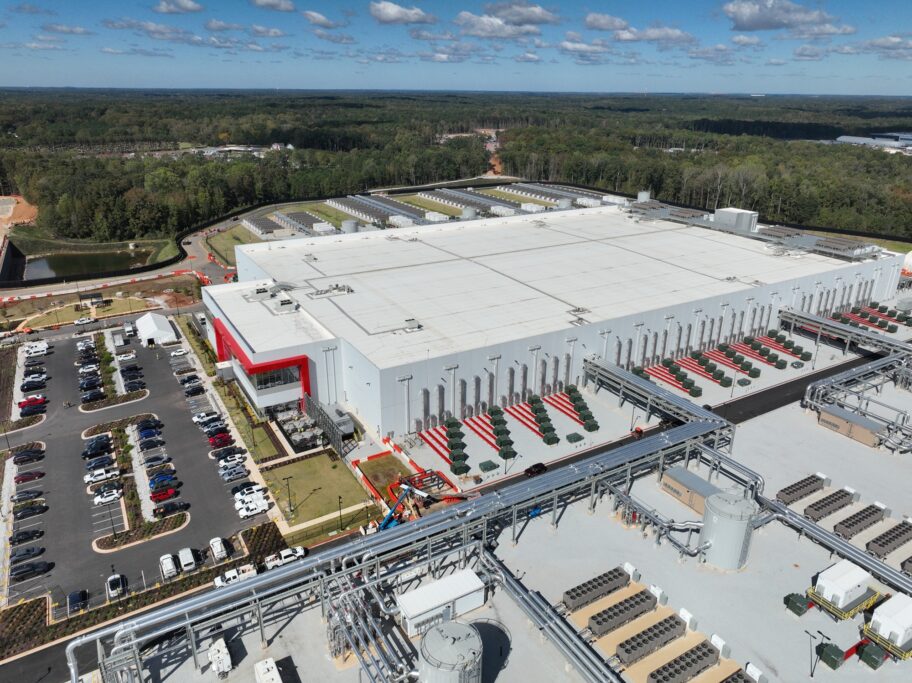
In the heart of rural America and bustling urban outskirts, where the hum of servers echoes the pulse of our digital age, Microsoft’s data centers have become both beacons of innovation and lightning rods for community discontent. Picture a quiet Wisconsin town or a sun-drenched Georgia farmland disrupted not by factories or malls, but by massive, energy-guzzling facilities that promise to propel artificial intelligence forward. Microsoft’s Fairwater data center near Atlanta is one such hub, part of a sprawling network that underpins the company’s ambitious AI ambitions. Yet, as data centers proliferate, stories of skyrocketing electricity bills, strained water resources, and secretive deals have ignited grassroots revolts. Residents wake up to changed landscapes, fearing the loss of their familiar, simple lives to corporate giants prioritizing progress over people. For many, these aren’t just buildings—they’re symbols of exclusion, where decisions are made in boardrooms far away, leaving locals grappling with environmental strains and economic shifts. Amid this brewing storm, Microsoft listened to countless voices echoing from town halls, online forums, and protest lines, realizing that shrouded secrecy only fueled distrust. This isn’t just about tech; it’s about human stories—the farmer worried about draining aquifers for his crops, the family fearing unaffordable utility spikes, or the educator hopeful for job opportunities but wary of unintended costs. The narrative of unchecked expansion has hit a tipping point, prompting Microsoft to pivot, acknowledging that true advancement requires collaboration and empathy.
Stepping into the spotlight, Microsoft unveiled a transformative shift in its approach to data center deployments, signaling a departure from the cloak-and-dagger tactics that had alienated so many. In a candid blog post and statement from executives, the company declared an end to its default reliance on non-disclosure agreements (NDAs) with local governments during the early phases of project development. “We’ve made the decision that being transparent with the communities where we operate or seek to operate is paramount,” they shared, painting a picture of rebuilding bridges rather than forging ahead unilaterally. Now, instead of evoking Harry Potter’s invisibility cloak to guard commercial secrets, security details, and regulatory intricacies, Microsoft promised open dialogue from the outset—something reminiscent of small-town meetings where neighbors hash out plans over coffee. Yet, they weren’t throwing caution to the wind; NDAs would still shield private land deals and core trade secrets, ensuring the company doesn’t sacrifice its competitive edge. This human touch resonated with residents like those in rural areas who felt ignored, now able to voice concerns about water usage or power demands directly. Rima Alaily, the company’s infrastructure legal affairs team lead, elaborated on LinkedIn, emphasizing that this was about enabling “better dialogue” and ensuring “growth is matched by meaningful engagement.” Imagine the relief of a community leader no longer standing at the fence of exclusion, but invited to the table for honest conversations—fostering trust in an era where tech feels omnipotent yet often impersonal. By terminating any active NDAs worldwide, Microsoft aimed to strip away the veil, transforming potential antagonists into partners, and underscoring that even global behemoths can learn from the wisdom of local hearts and minds.
Delving deeper into empathy-driven action, Microsoft launched its “community first” initiative in January, a heartfelt response to the mounting cries against data center proliferation. Born from stories of hardship—families pinched by higher bills or ecosystems under siege—this pledge flipped the script on how tech companies interact with their surroundings. No longer content with cherry-picking incentives, Microsoft vowed to shoulder its environmental and economic footprints fully. They promised to cover all power costs, forgoing local property tax breaks that might seem like corporate favors at the expense of public coffers. Water replenishment would exceed usage, ensuring rivers and reservoirs aren’t depleted for gigabytes and algorithms. Locally, they committed to training workers, bridging the skills gap that other booms have widened, and investing in AI education to empower the next generation with tools for a digital future. Picture a single mother retraining through free programs, her kids gaining access to coding classes that light up their imaginations—stories of hope amid change. Community programs would weave in, be it grants for environmental restoration or partnerships for social causes, turning data centers into hubs of positive impact rather than sources of strife. This wasn’t lip service; it stemmed from real encounters where opposition morphed into opportunities for mutual benefit. One resident remarked how such commitments could heal the scars of past excesses, where secrecy bred suspicion and isolation. By prioritizing “community first,” Microsoft humanized its empire, showing that behind the spreadsheets and servers are real people, families, and futures intertwined with technological tides.
Yet, not all chapters of Microsoft’s journey reflect this newfound openness; shadows linger from past stances that chilled community relations. In Washington’s legislative halls, where the tech giant operates roughly 30 data centers, Microsoft played a pivotal role in thwarting a bill that demanded greater transparency and curbs on environmental pitfalls. Publicly opposing the measure just before the session’s close, the company navigated the corridors of power to preserve its autonomy, even as whispers of influence echoed. It was a stark reminder that corporate might still leans on political levers, leaving activists and residents feeling the weight of unequal voices. Residents shared tales of frustration—elderly homeowners watching utility rates climb, or young families questioning the sustainability of their forested backyards turned industrial zones. This defeat underscored lingering tensions, where progress clashes with protection, and profits trump the participatory ethos Microsoft now champions. Transitioning to heartland strife, Microsoft abandoned plans for a sprawling campus in Caledonia, Wisconsin, after unrelenting opposition from locals. News of clandestine dealings and potential electric bill spikes roused a community chorus against what seemed an imposition on their quiet, close-knit way of life. Residents didn’t just sign petitions; they shared personal stories—of cherished fishing holes drying up or quality-of-life disruptions from construction—forming a human barricade that halted corporate advances. This retreat wasn’t just pragmatic; it was a lesson in listening, proving that even giants can bend when faced with the authentic outrage of everyday people. Caledonia’s tale stands as a cautionary reflection, where secrecy fueled fires of resistance, nudging Microsoft toward the transparency they later embraced.
Broadening the lens, this tapestry of resistance isn’t unique to Microsoft; it weaves into a larger narrative of corporate accountability in an AI-accelerated world. From May 2024 to March 2025, a staggering $64 billion in U.S. data center projects faced blocks or delays, per Data Center Watch’s findings, painting a picture of widespread pushback. Other tech titans have encountered similar skirmishes—Amazon in rural Virginia, where protests over water rights echoed like ancestral calls; Google in upstate New York, grappling with locals decrying the erasure of scenic vistas for server farms. These aren’t isolated eruptions; they’re collective awakenings, where communities, armed with grassroots coalitions, petitions, and social media storms, demand a seat at the table. Imagine a Tennessee mother organizing online forums, rallying neighbors against a proposed facility that threatens their serene mountain home, or a California activist highlighting how data centers exacerbate drought in a state already parched. The ripple effects touch lives deeply—affordability woes for low-income families, environmental guardians fearing biodiversity loss, and even mental health strains from incessant construction noise. Yet, amid the backlash, hope glimmers; as companies like Microsoft adapt, dialogues spark innovations, from greener tech to community-led oversight. This era isn’t just about tech expansion; it’s about the human cost of connectivity, urging a balance where innovation uplifts rather than overshadows the stories of those it impacts.
Looking ahead, Microsoft’s transparency pivot and community initiatives could herald a new chapter, where tech and humanity coexist more harmoniously. As data centers continue to mushroom to fuel AI innovations—from self-driving cars to medical breakthroughs—the onus is on companies to humanize their ambitions. Community members, from retirees in tranquil towns to urban dwellers in sprawling metros, are no longer passive onlookers; they’re active co-creators of futures where trust replaces trepidation. Future dialogues might involve virtual town halls where engineers explain efficiencies, or collaborative projects turning data centers into educational beacons. Yet, challenges persist—regulatory gaps, scaling truly equitable investments, and ensuring promises translate to actions. For residents like those in Caledonia or Washington, healing trust will take time, built on consistent engagement rather than symbolic gestures. Ultimately, this shift reminds us that behind every algorithm lies a web of human experiences; by fostering openness, companies can transform detractors into allies, ensuring that the march of progress marches in step with compassionate coexistence. As the digital future unfolds, stories of resilience—from community victories to corporate reckonings—will define whether tech serves humanity or hinders it, urging all to listen, learn, and grow together.