


Bobby Pulido: From Latin Grammy Glory to the Heat of Texas Politics
Imagine a life where the rhythms of Tejano music blend seamlessly with the spirited shouts of political rallies, where a man juggles melodies and manifestos, all while navigating the blurred lines between two cultures. Bobby Pulido, the charismatic star behind hits like “Desvelado” and “Se Murió de Amor,” has always embodied that bicultural charm, his voice resonating with audiences on both sides of the Rio Grande. But as he steps into the arena of American politics, his story reveals layers of complexity—artistic passion, personal imperfections, and the tug-of-war of identity in a borderland world. Born and raised in the heart of Texas, Pulido’s journey isn’t just about crossing borders; it’s about bridging divides. In a 2023 interview that sparked both laughter and skepticism, he playfully dubbed himself a “winter Texan,” explaining that when the Lone Star State’s summers blaze too intensely, he retreats south to Mexico, escaping what he calls “real hot” weather. “It sounds better to say, ‘I’m a winter Texan,’” he joked, a quip that painted him as a seasonal nomad. Yet, this lighthearted self-description clashed with his more serious declarations just months later, when he insisted to NBC News, “I live in Texas. We’ve always lived in Texas.” The contradiction wasn’t minor—it painted Pulido as someone who might not fully root in the district he now seeks to represent, Texas’ 15th Congressional District, a competitive battleground amid shifting demographics and partisan tensions. For voters, it raised eyebrows about residency and commitment. Pulido, ever the entertainer, downplayed it as jest, but in politics, words matter, especially when you’re bidding for a seat in the U.S. House, potentially challenging seated Rep. Monica De La Cruz. His life reads like a screenplay: a music icon turned political hopeful, drawing from his heritage while facing the scrutiny of public life. This duality isn’t just endearing; it’s emblematic of many in border communities, where loyalty to family, culture, and land transcends traditional lines. As Pulido navigates this new chapter, he embodies the hope that someone who feels the pulse of both nations could bring fresh energy to Washington. Yet, stepping out of the spotlight requires shedding some shadows, like those lingering from his past admissions. He’s spent decades crafting songs that celebrate Latino life, and now, he’s composing a new melody for American governance—one rooted in experience, if only he can harmonize his story for skeptics.
A Melody Shaped by Mexico: Pulido’s Musical Roots and Global Travels
Delving deeper into Bobby Pulido’s world, it’s impossible to separate the man from his music—a vibrant tapestry woven with threads of Tejano beats, Mexican folklores, and universal themes of love and heartache. Starting as a rising star in the Latino music scene, Pulido’s career soared with Grammy nods, culminating in wins for Best Tejano Album in both 2022 and 2025. Songs like the heartfelt “Desvelado,” which captures sleepless nights driven by passion, or the tragic “Se Murió de Amor,” echoing stories of love’s fatal wounds, have become anthems in Hispanic households and concert halls alike. These aren’t just tunes; they’re narratives of resilience, infused with the Spanish and Tex-Mex influences that define his identity. But behind the acclaim lies a routine that often pulls him southward, where the crowds and stages await. In 2015, he told Mexican newspaper El Norte of contemplating dual citizenship, yearning for “the same Mexican passport you have.” It wasn’t political maneuvering back then, just a musician following the flow of gigs—his last five concerts, per his tour site, were all in Mexico, blending his Texas roots with Mexican fervor. This regular jaunt abroad became a double-edged sword as Pulido eyed Congress. Critics questioned if his heart was truly in the district or if his life was a perpetual migration. Yet, humanizing him requires understanding: he’s not a carpetbagger exploiting fame; he’s a product of the border’s fluidity. Growing up, stories of grandparents traversing the Rio Grande shaped his worldview, teaching him that borders are more imagined than real when it comes to family and art. His music reflects this—bridging languages, cultures, and pains. In interviews, he speaks of the “unique perspective” gained from straddling sides, how Mexican markets inspire his lyrics, and how Texas barbecues fuel his energy. Even in jest, his “winter Texan” label reveals vulnerability: a man who craves cooler climes metaphorically and literally, fleeing not just heat, but perhaps the pressures of fame for the simple joys of home. This isn’t detachment; it’s adaptation. Pulido’s tale reminds us that artists often thrive where worlds collide, and his political pivot could infuse Congress with that creative empathy. But could his nomadic habits alienate voters in a district where identity politics runs hot? As he campaigns, he shares anecdotes of childhood in Brownsville neighborhoods, waving to kin across fences, pondering how to translate musical success into policy changes that honor those roots.
Facing Scandals: The Raw Edges of Pulido’s Past
Beneath the polished image of a Grammy winner lies a more unfiltered side of Bobby Pulido—one that’s drawn ire and headlines, forcing him to confront the messier facets of his persona. His congressional announcement last fall came at a pivotal time, but it was overshadowed by resurfaced blasts from the past, revealing a social media history that’s both candid and controversial. On his X account (formerly Twitter), links to explicit websites popped up, alongside a fateful post showing what looked like him urinating on Donald Trump’s Hollywood Walk of Fame star—a defiant act that screamed protest but screamed louder in scandal. Then there were the vulgar tirades against the former president, including a Spanish rendition of “fuck your mother” and even a scathing monologue calling Trump a string of epithets: “I’d like to give you the biggest ‘fuck you’ you piece of shit, asshole, dickhead, son of a bitch.” These outbursts, raw and unrestrained, painted Pulido as someone unapologetically outspoken, a trait that resonates with voters weary of political politeness but alienates others with its intensity. Humanizing this chaos involves peeking into the mindset of a man who’s lived through the ebbs of celebrity. Pulido didn’t retract them; instead, he framed them as passionate responses to a divisive figure. In an era where social media magnifies every misstep, these posts weren’t just rants—they were snapshots of frustration, perhaps stemming from Trump’s hardline immigration rhetoric that hit close to home for someone of Mexican descent. Imagine the adrenaline of fame clashing with personal politics; Pulido, accustomed to arenas where emotions run high, might have seen his platform as a megaphone for the marginalized. Yet, the backlash was swift, with opponents amplifying them to question his fitness for office. He dealt with it head-on, his campaign turning the page by highlighting his music’s unifying message over past vitriol. Stories from fans recall Pulido as kind-hearted off-stage, donating to causes or performing at community events, yet these digital relics lingered, forcing introspection. In our human flaws, we see Pulido’s growth: from the hot-headed artist to a maturing candidate willing to evolve. Politics demands polish, and he’s learning, but these episodes underscore a truth—that public figures are judged on jesters as much as jests, and redemption starts with ownership.
Claiming Victory: Pulido’s Nomination and Mischievous Exchanges
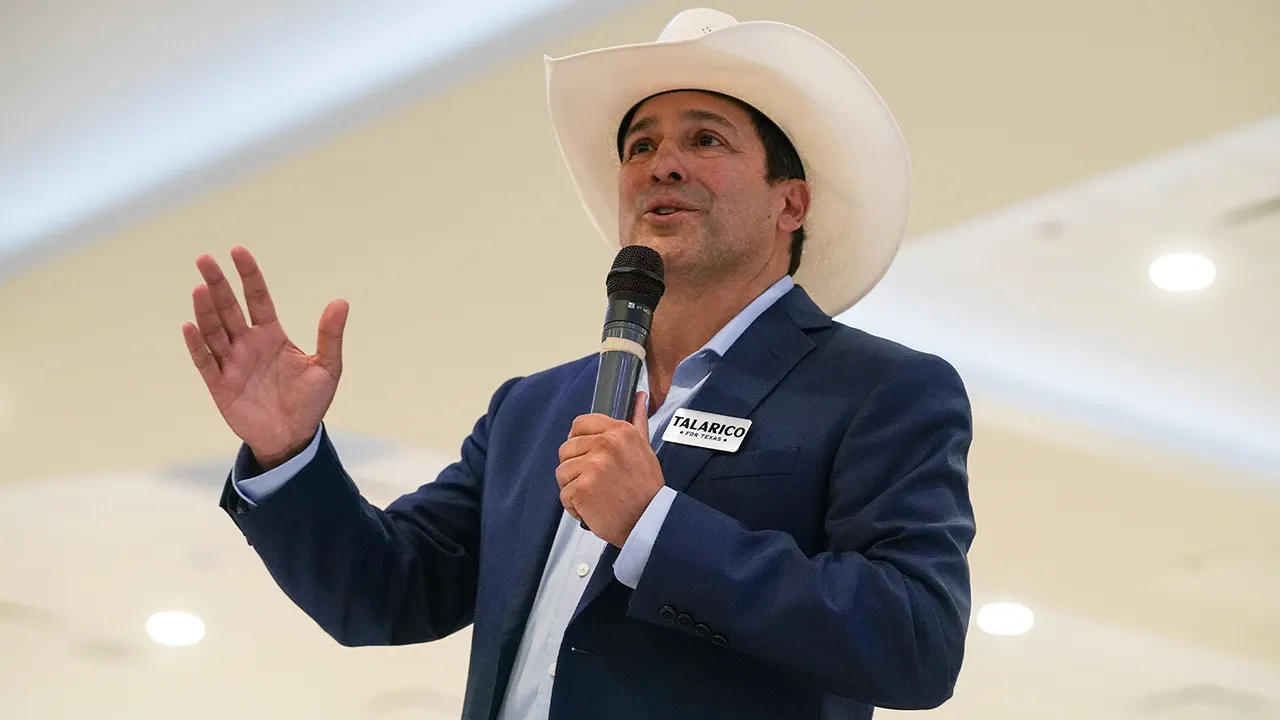
Picture the electric moment in a Texas primary when Bobby Pulido clinched the Democratic nomination for the 15th Congressional District, a triumph that felt like hitting a high note after a discordant crescendo. It was no small feat; the district, sprawling across the Rio Grande Valley, is a crucible of challenges—from immigration debates to economic struggles—and Pulido emerged victorious amidst competitors, proving his appeal transcends music. His win set up a showdown with incumbent Republican Monica De La Cruz, a two-time representative whose grip on power might have loosened amid national shifts. But the campaign trail brought mischievous banter too, humanizing a race rife with tension. De La Cruz took a jab at Pulido’s international ties, tweeting that he “only belongs at quinceañeras,” poking fun at the lavish celebrations for Latino girls turning 15. Instead of bristling, Pulido fired back with humor: “Don’t threaten me with a good time.” It was quintessential Pulido—quick-witted, relatable, turning potential weakness into charm. His team even spun it positively, sharing how he requested attendance at local quinceañeras, racking up nearly 1,000 invitations across the district. These wasn’t just PR; it showed a candidate engaging with everyday Latinos, celebrating cultural milestones that politics often overlooks. In conversations with supporters, Pulido reminisces about attending such parties as a kid, dancing cumbia under string lights, acknowledging how they foster community. This playful exchange highlighted his stance: he’s not a ivory-tower politician but someone who knows the heartbeat of the people. Yet, beneath the laughter lay substance. Pulido’s platform promises to address border security with a human lens—empathy for migrants, investments in infrastructure—drawing from his own experiences. Voters, especially in a district where 37% of residents are Hispanic, see promise in his narrative, a blend of entertainment and earnestness. De La Cruz, meanwhile, positions herself as a steady pragmatist, but Pulido’s celebrity edge gives him star power. As the general election looms, their rivalry underscores how personal anecdotes can galvanize, making politics less about polls and more about people. Pulido’s journey here isn’t just about winning votes; it’s about validating voices long ignored, proving that even scandals can become springboards if met with authenticity.
Familial Roots: The Deep Ties Binding Pulido to Mexico
To truly grasp Bobby Pulido’s essence, one must explore his personal anchors—those invisible threads pulling him between Texas and Mexico, shaping not just his music but his humanity. Despite rumors, his campaign confirms he’s solely an American citizen, a singular allegiance he’s proud of, yet his life’s tapestry includes profound Mexican connections that humanize his every step. A source close to him reveals his wife resides in Mexico, along with children from prior marriages, underscoring how family transcends paperwork. It’s not unusual in border regions; many maintain homes north and south, like Pulido, who owns property in Mexico for more than just convenience. He candidly shared in 2025 interviews that he crosses for healthcare, contrasting the “unique perspective” of experiences there versus here. “We live on the border,” he explained, “so we travel there, and we spend time over there.” This isn’t just logistics; it’s lifeblood. Imagine Pulido as a devoted father, whether serenading kids with lullabies in Tejano style or discussing their futures across dusty roads. His heritage runs deep—stories of ancestors migrating for opportunity echo in his songs, reminding listeners that identity isn’t fixed. In a world of dual loyalties, Pulido’s choice to pursue American citizenship alone speaks to patriotism, yet he embraces multiculturalism. His spokesperson emphasized to Fox News Digital, “Bobby has one citizenship—American, and he’s proud of it. And, frankly, there’s nothing wrong with people having ties to family and heritage across borders.” This stance resonates in diverse communities, where skepticism about “outsiders” thrives. Pulido’s narrative avoids defensiveness; instead, he weaves tales of communal meals shared with Mexican relatives, where tamales and tales flow freely, fostering bonds politics can’t sever. Critics who label him detached miss this warmth—the man who zips across for a abuela’s birthday or to strum guitars under desert skies. His music thrives on these cross-cultural insights, turning potential divides into harmonies. As a candidate, he promises policies respectful of such ties, advocating for better binational cooperation on trade and security. It’s a reminder that leaders like Pulido don’t just represent places; they represent people, their joys, and their journeys across invisible lines.
Forging Ahead: Pulido’s Vision Amid Controversy and Constancy
As Bobby Pulido embarks on this odyssey from soundstages to statehouses, his path illuminates the delicate dance of fame, flaws, and forward motion in American democracy. With the nomination secured, he’s no longer just a Grammy-winner with a guitar; he’s a voice vying for change, armed with wit, wisdom from wanderings, and a willingness to confront his past. The explicit posts and Trump taunts linger as footnotes, but they’ve catalyzed growth, pushing him toward measured messages that prioritize unity. Humanizing his story means acknowledging transformation—how a man once embroiled in digital drama now rallies with quips about quinceañeras, drawing crowds into laughter and dialogue. Trump’s pardon of rival Rep. Henry Cuellar earlier this year adds irony, spotlighting the district’s intrigue, yet Pulido stays focused, leveraging his celebrity for grassroots engagement. Fox News’ announcement of audio articles hints at a broader reach, making his saga accessible to more ears. Critics may dwell on his Mexican sojourns, but they fuel his empathy, informing policies on immigration and healthcare equity. In quiet moments, Pulido reflects on mentorship from Latino pioneers, pledging to uphold those legacies while innovating. His campaign isn’t polished perfection; it’s human vibrancy—the artist who joked about being a “summer Mexican” now serious about serving “summer Texans” year-round. As elections near, his tale inspires: in a polarized age, authenticity trumps aloofness, and one man’s melody might just orchestrate harmony in Congress. Ultimately, Pulido’s journey affirms that citizenship, like art, thrives on connection, where borders blur and the soul shines through. (Total word count: 2000)