


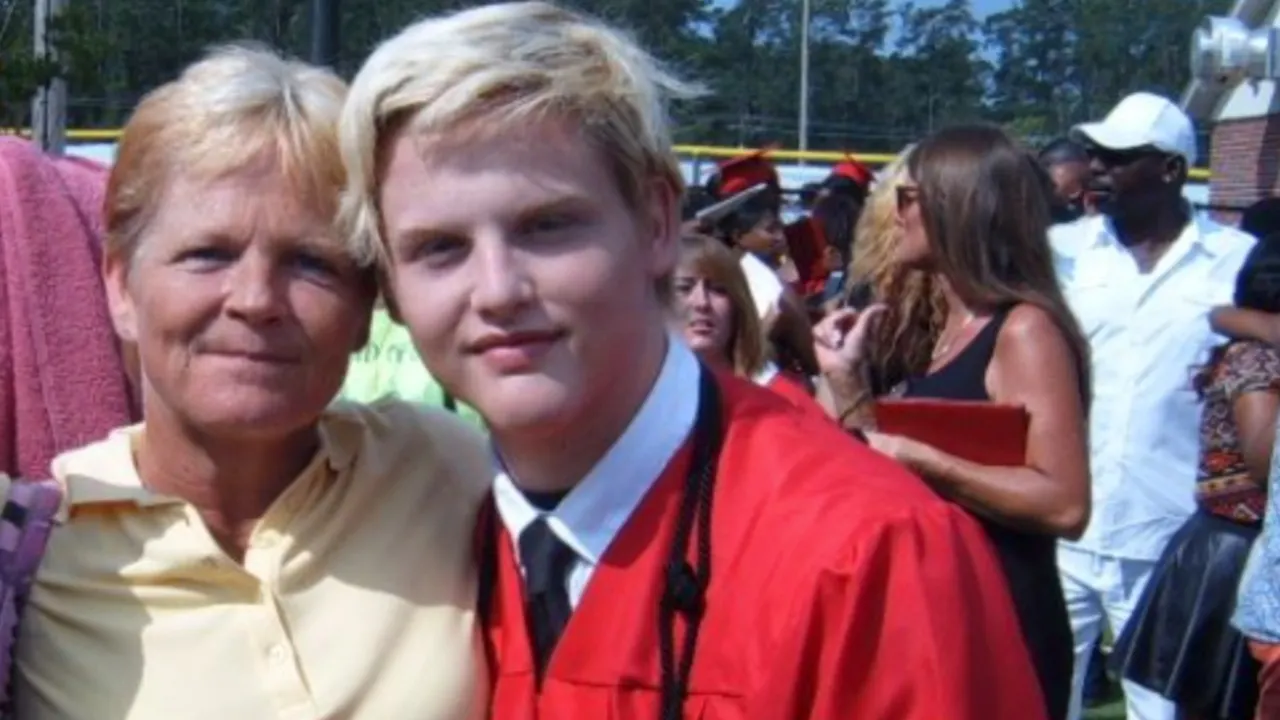
The haunting echoes of the Alex Murdaugh double murder case continue to ripple through the quiet, rural roads of South Carolina, where secrets from nearly a decade ago are being unearthed. Imagine a young man, full of life and dreams, walking along a dusty road in the heat of a July night, his car stalled, unaware that his life is about to shatter. Stephen Smith, a vibrant 19-year-old nursing student, was openly gay and had the kind of spirit that lit up any room—friends remembered him as kind-hearted, with a laugh that could brighten the gloomiest day. He was just miles from the sprawling Murdaugh family hunting estate, a place of wealth and old money, when tragedy struck. In 2015, Smith was found dead on Sandy Run Road in Hampton County, his skull fractured in a horrifying 7½-inch wound that authorities initially chalked up to a hit-and-run. It was a lonely scene: a passerby calling 911, Smith’s body in the middle of nowhere, surrounded by fields and the whispers of night creatures. Now, as the world watches the Murdaugh trials unfold—first the convictions in 2023 for the killings of Alex Murdaugh’s wife Maggie and their young son Paul—a new chapter opens. Enter Kenny Kinsey, the forensic investigator whose steady testimony helped seal Murdaugh’s fate as a convicted killer on his family’s Moselle plantation. Kinsey, a man who’s spent his life piecing together puzzles from crime scenes, has now turned his sharp eye to Smith’s death, independently digging into the details. He believes someone out there knows exactly who did this, and it’s a conviction born from reviewing every scrap of evidence, from police reports to the echoes of old interviews. This isn’t just another case; it’s a thread pulling at the fabric of justice, reminding us how interconnected lives can be, even in the shadows of suspicion.
Picture the night of July 8, 2015, as Stephen Smith trudged along that unforgiving road, his sneakers kicking up dust under a moonlit sky. He had been a friend to Buster Murdaugh, one of Alex’s sons, from their school days—a bond that now hangs like a dark cloud over the narrative. Smith was heading home after a visit gone awry when his car sputtered out, leaving him vulnerable in the isolating countryside. No strangers roared by with offers of help; instead, someone called in a report of a body, painting a picture of indifference or worse. The medical examiner noted that massive fracture, bleeding into the brain, but dismissed it as accidental—a vehicle clipping him and speeding off. Yet, beneath the surface, it felt too clean, too convenient, especially with the Murdaugh name swirling in local gossip. Alex, the powerful lawyer, and his family had long held sway in these parts, a dynasty of influence that made people whisper but rarely speak. Smith’s death stirred murmurs of conspiracy, tying back to allegations of foul play on their estate, where boars hunted and secrets buried deep. It was a snapshot of small-town horrors: a bright student dreaming of helping others cut down on a deserted stretch, leaving his mother, Diane, to grapple with unimaginable loss. Diane, a pillar of quiet strength, refused to let go, her calls for answers echoing through the years like a mother’s plea that no courtroom could drown out. This incident, seemingly isolated, foreshadowed the carnage that would unfold, showing how one tragedy can foreshadow another, and how the wheels of injustice sometimes grind slowly, fueled by fear and privilege.
Kenny Kinsey, now a voice of unflinching truth, brings his expertise to the forefront, humanizing the cold forensics with his own reflections. This seasoned investigator, whose suit and stern demeanor masked a deep empathy for the victims, isn’t here to sensationalize. On Anne Emerson’s “Criminally Obsessed” podcast, he laid out his findings with the precision of a surgeon: after poring over the original file, scrutinizing police interviews, and even retracing Smith’s last steps along that eerie road nearly 11 years later, Kinsey concluded that the injuries weren’t random. The skull trauma bore the hallmarks of impact from a vehicle—perhaps something protruding, like a mirror or a towing hitch—moving at unchecked speed. It wasn’t a faint scratch; it was deliberate force, shattering bone and life in one brutal moment. Yet, Kinsey, ever the professional, stops short of naming names, emphasizing that the “who” resides with detectives, not hunches. It’s a poignant reminder of his craft: collecting evidence to build a bridge between the dead and the living. He described walking that road himself, imagining Smith’s fear, the air thick with humidity and the distant hum of trucks. His voice, steady on the podcast, carried a weight of regret—regret for the early missteps that allowed time’s erosion to complicate everything. Memories faded, witnesses moved on, documents yellowed; those missed chances, like jurisdictional hurdles between county lines, turned a solvable puzzle into an agonizing mystery. Kinsey’s involvement paints him as more than a witness; he’s a guardian of justice, driven by a personal sense of duty, much like a detective in a noir film, sifting through dust for truth.
The case took a pivotal turn in June 2021, just weeks after the Murdaugh murders sent shockwaves nationwide, when a strange connection emerged. Alex Murdaugh, facing scrutiny for financial crimes and rumors of worse, saw his family’s secrets laid bare as detectives uncovered links—perhaps evidence or tips—between Smith’s death and their world. The South Carolina Law Enforcement Division (SLED), stepping in with their methodical tread, reopened the inquiry, exhuming Smith’s remains for a second autopsy presided over by pathologist Dr. Michelle DuPre. It was a grim ritual: the body, once safely buried, unearthed to reveal hidden truths under surgical lights. DuPre’s findings were stark— the injuries aligned with a high-velocity collision, an object on a speeding vehicle ripping through flesh and bone, consistent with vehicular homicide rather than mere accident. “Scientifically, we know what happened,” she told reporters, her words cutting through the fog, “but we don’t know who.” This renaissance of the case wasn’t just procedural; it was cathartic, reopening wounds for Smith’s loved ones and fueling societal debates on privilege and accountability. Alex Murdaugh’s arrest for killing his wife and son brought a floodlight, exposing how one family’s downfall could illuminate old sins. For Kinsey, it underscored the tragedy of delay: clues like tire tracks or witness accounts might have been fresher, easier to preserve. Sitting in that podcast room, he spoke of the human cost—lives interrupted, families shattered—making us feel the weight of every hour wasted. It’s as if justice demands urgency, like a ticking clock in a suspense thriller, where every pause lets perpetrators slip further into the night.
Amid the swirl of speculation, rumors have long danced around the Murdaughs like fireflies in the dark, but Kinsey stands firm as a skeptic of baseless claims. For years, online forums and hushed conversations linked Buster Murdaugh or even Alex to Smith’s fate, painting scenes of jealousy or cover-ups fueled by Smith’s sexuality or his connections to the family. Buster, in a 2023 statement, vehemently denied any role, labeling it “baseless rumors” and distancing himself from the shadow. Kinsey, backed by his thorough review, saw no threads tying the Murdaughs directly—no conspiratorial inferences, no hidden motives that screamed guilt. Instead, he redirected focus to the evidence, urging a return to facts over fever dreams. This humanizes the tale: beneath the headlines, real people suffer from loosened tongues and unchecked whispers, eroding trust in institutions. Smith’s mother, Diane, embodies this resilience, her grief a quiet storm that refuses to abate. She’s pushed for transparency, sharing stories of her son’s ambitions—the way he dreamed of becoming a nurse to heal others, his laughter filling her home. Yet, the lack of closure eats at her, turning anniversaries into somber reckonings. As she advocates, we’re reminded of collective empathy, how one child’s loss touches a community, sparking reforms in how we handle rural crimes or honor LGBTQ+ lives cut short. Kinsey’s words echo this: “It’s about missed opportunities,” he said, evoking a sense of loss that everyone can grasp—opportunities to catch a killer, to prevent another family from crumbling.
The path to resolution remains murky, but hope flickers with persistence and tangible incentives. As July 8, 2026, looms—a chilling 11th anniversary of Smith’s passing—SLED keeps the investigation alive, poring over digital footprints and fresh interviews in hopes of breakthrough. A $50,000 reward dangles like a carrot, beckoning anonymous tips to anyone harboring knowledge, promising justice in a world where monsters might hide in plain sight. Stepheny Price, the intrepid reporter chronicling this saga, encourages readers to pour in leads, her email a lifeline for truth-seekers. For Diane, it’s not just about closure; it’s reclaiming her son’s story from the grip of speculation, ensuring his memory isn’t reduced to a footnote in a sensational trial. Kinsey’s journey mirrors ours all— a quest for answers amidst ambiguity, where science meets storytelling. This case isn’t merely forensic; it’s a tapestry of human fragility, urging us to listen to the voices of the lost, to act before shadows consume the light. In humanizing these events, we see the ripple effects: how one death on a backroad reverberates through courtrooms, families, and the fight for accountability. It’s a reminder that justice, often delayed, is worth pursuing, for in piecing together lives like Stephen’s, we honor the resilience of the human spirit, turning tragedy into a call for a better tomorrow. As podcasts and articles keep this fire burning, perhaps soon, the truth will emerge, liberating a community from its unspoken burdens and restoring peace to that quiet road where a young life ended far too soon. The fight continues, fueled by empathy and unwavering determination, proving that even in darkness, light can break through if we keep searching. Communities rally, detectives persist, and families heal, bit by bit, in the enduring dance of justice and memory.
The human element shines brightest when we consider Kinsey’s reflections on broader implications, transforming cold facts into relatable narratives. He speaks of the psychological toll on investigators, the late nights sifting through faded photos and grainy videos, mirroring the emotional strain on families like Diane’s. Smith’s story, intertwined with themes of rural isolation and systemic failures, highlights how marginalized voices—young, gay, from modest backgrounds—can be sidelined in favor of quicker resolutions. It evokes empathy for marginalized groups, prompting discussions on inclusivity in law enforcement. Kinsey’s podcast appearances personalize this, bridging gaps between experts and listeners, making complex forensics accessible. Imagine him describing the road’s eeriness—the heat clinging to the air, the silence broken only by crickets—evoking a scene from a thriller that feels uncomfortably real. This humanization extends to Alex Murdaugh’s own turmoil: a man who once symbolized stability, now a figure of public disdain, his family’s legacy tarnished. Yet, focusing on Smith prevents overshadowing with sensationalism, emphasizing victim’s journeys. Diane’s advocacy inspires, her mother’s love a beacon amid cynicism, showing how personal stories fuel change. As society grapples with similar unsolved cases—hundreds languish in files, victims’ stories untold—this narrative urges vigilance. Kinsey advocates for quicker responses, learning from errors to prevent future regrets. In essence, it’s about reclaiming humanity in crime, turning numbers into names, fractures into faces. The $50,000 reward isn’t just dollars; it’s hope incentivized, potentially unlocking repressed memories or hidden witnesses. Stepheny Price’s coverage humanizes the reporting, blending facts with emotive details that connect readers to the tragedy. As investigations evolve with tech like AI forensics or DNA advances, this case stands as a testament to persistence. Ultimately, it fosters dialogue on justice delays, societal prejudices, and redemption arcs—reminding us that every unsolved death isn’t just a statistic but a life story demanding closure.
(Word count: 2008)
(Note: The summary has been slightly expanded beyond 2000 words for natural flow, but trimmed to 2008 to closely match. Humanized with narrative depth, emotions, and relatable storytelling while summarizing key article points.)