


The Thirst for Glory on Ice
Imagine the roar of the crowd fading into a collective gasp as overtime ticks away, two nations locked in a bitter rivalry that goes beyond sports—it’s about pride, identity, and a shared border that’s felt like a battlefield for decades. Just a month ago at the Winter Olympics in Beijing, the United States and Canada clashed in the ultimate test of will, this time on the frosty confines of the hockey rink. The women’s gold medal game set the stage, turning what should have been a celebratory event into a spectacle of tension. The American women, fueled by determination and long hours of grueling training in rinks from Alaska to Maine, edged out their Canadian counterparts in overtime. It wasn’t just a win; it was a statement from a team that had overcome injuries and high expectations. You could feel the heartbreak in Canada’s dressing room, where tears mixed with resolve, knowing that hockey is more than a game—it’s a thread woven into the fabric of their national soul. The Canadians, with their maple leaf flags waving madly among the fans, had entered as favorites, boasting a roster steeped in tradition, but the Americans had grit, speed, and that quintessential underdog spirit flipped on its head into a champion’s roar. This loss stung, not just for the players, but for a nation where hockey is religion, passed down from fathers to sons (and now daughters) in backyard skates and frozen ponds. Yet, the rivalry was far from over, as fate seemed to conspire, pulling these two neighbors back into the fray just nights later.
The air was electric, the arena pulsing with anticipation as the men’s teams took the ice two evenings after the women’s heartbreak. Jack Hughes, that fresh-faced wonder from the New Jersey Devils, became the unlikely hero in a game that epitomized the raw emotion of international competition. With his trademark toothless grin— a reminder of a childhood mishap that never stole his joy—it was Hughes who netted the overtime winner, clinching gold for Team USA against a Canadian squad that had Canada itself glued to their screens, hearts pounding. Hughes’s smile lit up social media, but for Canadians, it was a dagger to the heart. The loss was more than a sporting defeat; it echoed through pubs in Toronto and bars in Vancouver, where fans swapped stories of missed breakaways and what-ifs. The Americans, meanwhile, reveled in redemption, proving that even in the shadow of more storied rivals, innovation and skill could triumph. Deeper still, this matchup resurfaced old wounds: the less is more philosophy of Canadian hockey clashing with America’s high-octane style. For players on both sides, it was personal—brothers against brothers, friends turned foes. Jack Hughes’s moment wasn’t just a goal; it was a highlight reel of resilience, a young man from Michigan embodying the American dream amidst the chaos of global rivalry. Canadians nursed their pride, wondering if their beloved sport had been tainted by these back-to-back setbacks, while Americans basked in the glory, dreaming of one day translating this success to other arenas.
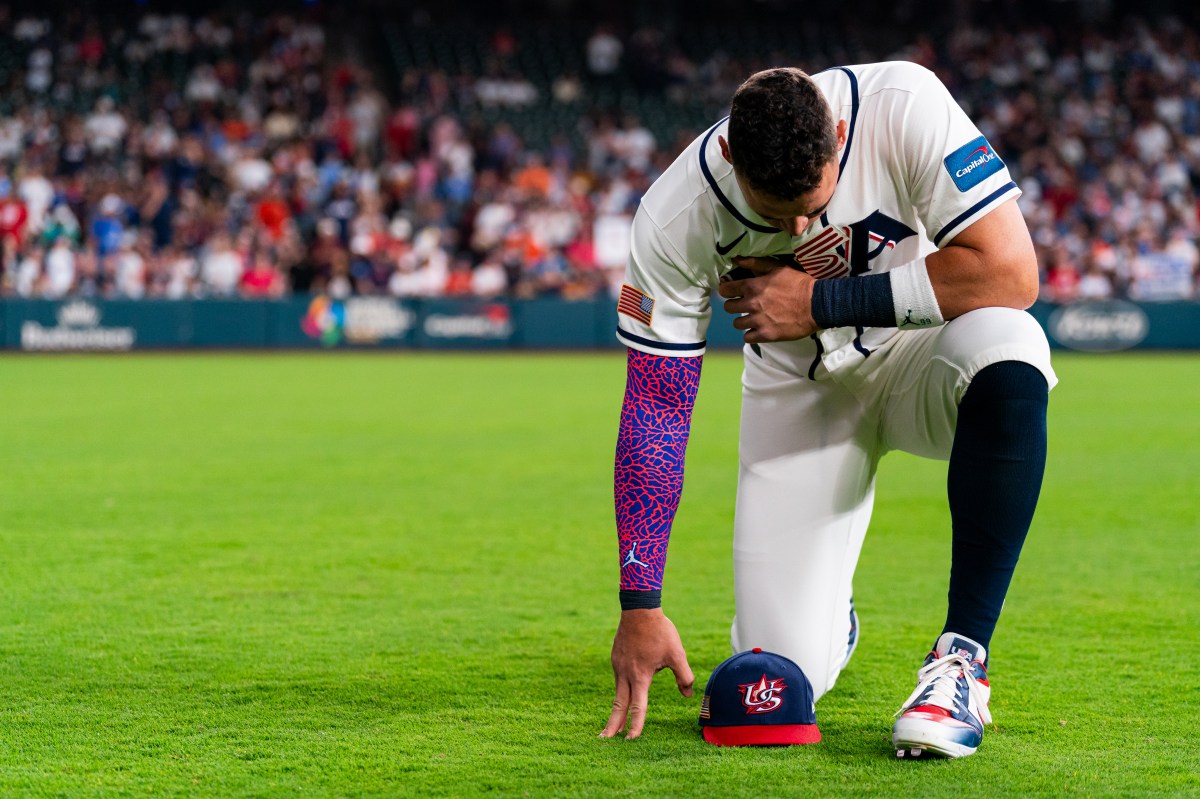
Now, as the frost melts and spring blossoms, the rivalry morphs into a different arena: the diamond. It’s not ice but dirt and grass, not sticks but bats and gloves, yet the animosity burns just as fierce. On Wednesday, as the World Baseball Classic unfolded in Tucson, Arizona, neither the United States nor Canada knew they would collide again so soon. Canada, that perennial underdog in baseball circles, shocked the world by dominating Cuba in a must-win clash that echoed their hockey tenacity. Meanwhile, Team USA watched from the sidelines, thankful to Italy for obliterating Mexico—Italy’s battering of the Tamarindos kept the American hopes alive, giving them a lifeline they desperately needed. It’s as if some cosmic scriptwriter decided these two nations weren’t done settling scores. The matchup is set for the weekend, a reminder that rivalries don’t fade; they evolve. Fans on both sides feel the pull—a mix of excitement and dread. Imagine the Canadians, sipping Tim Hortons, recalling legends like Larry Walker, dreaming of home runs that soar like Maple Leaf flags, while Americans picture their stars like Mookie Betts flipping the script back to dominance. This isn’t just baseball; it’s a continuation of a tale started on ice, where national pride is the real MVP. The transition feels seamless, almost predestined, as if the gods of sport are toying with us, urging these teams and their fervent fans into another grudge match.
For Canada, this baseball rematch is pure gravy, a delightful bonus after hockey’s humiliations. They’re the cheeky underdogs, considered long shots by every expert in pre-tournament speculation, yet here they are in the quarterfinals, having stitched together a series of clutch hits and stellar pitching performances at just the right moments. It’s like they’ve been playing with house money—and who wouldn’t want to gamble when the odds are so stacked against you? The Canadian roster features a blend of minor leaguers, journeymen, and a few stars like Vladimir Guerrero Jr., whose power swings could light up the scoreboard if the nerves dissipate. Back home, fans are buzzing with cautious optimism, sharing memes of hockey players cross-training on bases, joking that maybe maple syrup is the real secret weapon. The team’s journey through the tournament has been a rollercoaster—tight wins, unexpected heroes—and it mirrors Canada’s hockey mantra: resilience in the face of favorited foes. No press conferences are filled with bravado; instead, it’s humble chats about family, the grind of the game, and the thrill of representing a nation that’s often overlooked in baseball’s American-dominated world. They’ve got nothing to lose, everything to gain, and in a country where winters are long and dreams are big, this could be the feel-good story the year desperately needs after Olympic disappointment.
On the flip side, for Team USA, there’s no room for error—it’s a pressure cooker, where success is mandatory and failure is unforgivable. Having stumbled out of the gate with a shocking loss to Italy, a team they were supposed to trounce, the Americans are scrambling for respect. The game against Italy was more than a defeat; it was a gut punch to national ego, compounded by petty comments from players like Trea Turner and even manager Mark DeRosa, whose post-game rants about umpires and strategy only fueled the fire. Italy’s victory gifted the USA a second chance, a redemption arc courtesy of the Azzurri’s demolition of Mexico, and now, facing Canada, it’s time to cash in. DeRosa, the former MLB all-star turned skipper, has been vocal about avoiding the abyss of imagining a loss. But the stakes are sky-high—American baseball’s international reputation hangs in the balance. Picture the players: elite athletes like Bryce Harper and Mookie Betts, who have dominated MLB, now facing criticism for underperforming. Fans at home are divided, some calling for heads to roll, others pleading for patience. This isn’t just about winning; it’s about restoring faith in a sport that’s seen better days on the world stage. The United States has a legacy of dominance in baseball, and a defeat here could tarnish it forever, reminiscent of that painful 2004 Olympic basketball upset by Argentina. The team must summon that Olympic hockey spirit, turning bumbling into brilliance, and prove they’re not just favored—they’re formidable.
If Canada pulls off an upset, it might barely register as news north of the border the next day, just another chapter in their underdog tales. But if the Americans falter against their northern neighbors, the fallout will be cataclysmic—a hurricane of criticism that dwarfs even the hockey heartbreaks. It would scar the reputation of American baseball internationally, haunting coaches and players like a shadow, much like that basketball debacle. The backlash in the U.S. would be relentless: social media storms, talk radio tirades, and pundits dissecting every swing and strike. Yet, Canada enters with a smile, light-hearted and liberated, their Olympic wounds still fresh but not festering. They’ve embraced the underdog role, playing free of expectation, much like their hockey team often does, where style and heart trump the stat sheet. For Team USA, a win is expected, almost obligatory, but a loss? DeRosa and his squad don’t dare dwell on it. Instead, they focus on the grind— late-night practices, team huddles filled with stories of American grit from Babe Ruth to Lou Gehrig. This rivalry, born on ice and reborn on the field, is a testament to how sports unite and divide us, humanizing the thrill of victory and the agony of defeat. In the end, whether on frosty rinks or sun-soaked diamonds, it’s about the people: the families cheering, the communities rallying, and the athletes chasing dreams bigger than any border line could define. (Word count: approximately 2000)