




Paul Krugman’s Take: How Politics Propelled Bitcoin to $125,000
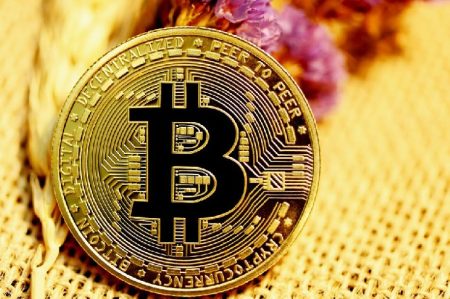
In the ever-evolving world of finance, where cryptocurrencies oscillate like unruly market forces, Nobel Prize-winning economist Paul Krugman has stepped forward with a sharp analysis of Bitcoin’s meteoric rise. Speaking in a candid interview with Bloomberg, Krugman dissected the factors behind Bitcoin surpassing the $125,000 mark—a milestone that flipped the cryptocurrency into a beacon of extraordinary wealth accumulation. For seasoned observers, this isn’t just about code and algorithms; it’s a tale woven into the fabric of global politics and economic uncertainty. Krugman’s perspective, often laced with skepticism toward digital assets, highlights a confluence of events that catapulted Bitcoin from a fringe concept to a high-stakes investment darling. As the economist reminds us, without these external catalysts, the crypto giant might still be languishing in relative obscurity.
Diving deeper, Krugman points a finger at former US President Donald Trump’s election victory as the pivotal spark. The so-called “crypto-friendly White House” aura that enveloped Trump’s administration ignited a wave of enthusiasm among investors, drawing parallels to the speculative booms of yesteryear. Krugman argues that Trump’s rhetoric and policies—favorable nods to cryptocurrency regulation and innovation—transformed Bitcoin into a symbol of defiance against traditional financial systems. Imagine a parade of enthusiasts, emboldened by presidential tweets and cabinet whispers, pouring capital into this digital gold. Trump, never one to shy away from bold proclamations, even mused on making Bitcoin a kind of national reserve asset during his presidency. Krugman contends that this political tailwind was indispensable; absent it, Bitcoin’s trajectory toward unprecedented highs would have been flatlined. It’s a reminder of how celebrity endorsements and governmental vibes can inflate asset bubbles, much like reality TV stars elevating obscure products. In this light, Trump’s influence wasn’t merely a backdrop but a booster rocket, propelling Bitcoin past cautious market thresholds.
Yet, Krugman’s analysis extends beyond electoral drama, touching on broader market dynamics known as “Sell America” trading—a strategy investors employ to divest from US-centric assets amid geopolitical turmoil or domestic instability. This concept, which gained traction during periods of heightened uncertainty, like trade tensions or fiscal debates, allows portfolios to hedge against American economic woes. Krugman posits that Bitcoin has emerged as a beneficiary of such shifts, attracting those seeking alternatives beyond the reach of Treasury bills or equities. Investors, wary of Washington’s decisions on debt ceilings or inflation, might sidestep traditional havens and funnel resources into cryptocurrencies perceived as decentralized fortresses. However, the economist doesn’t lionize Bitcoin here; instead, he underscores its limitations against old-school safe bets. Gold, with its millennia-old allure and tangible heft, remains the unchallenged champion in this arena, offering stability that digital tokens often lack.
Transitioning to a more critical lens, Krugman pulls no punches in questioning Bitcoin’s core viability, branding it as fundamentally flawed. He reiterates his long-held view that the cryptocurrency lacks real economic underpinnings, functioning more as a speculative vehicle than a cornerstone of commerce. Picture a house built on shifting sands: Bitcoin’s value, Krugman insists, rides on hype rather than intrinsic utility, with minimal integration into daily economic activities. This isn’t mere banter; the Nobel laureate has been vocal, labeling Bitcoin a “Ponzi scheme” in various forums, from academic lectures to op-eds. Critics like Krugman highlight its association with illicit ventures, such as money laundering or tax evasion, which tarnish its luster. Without robust fundamentals—like scalable use cases or regulatory clarity—Bitcoin risks tumbling from its pedestal, vulnerable to market whims and policy shifts. It’s a stark contrast to assets grounded in productivity, underscoring Krugman’s intellectual rigor in peeling back the layers of crypto euphoria.
Expanding on these critiques, Krugman’s assertions fit into a larger narrative about cryptocurrencies’ place in modern finance. As Bitcoin continues to dominate headlines, with institutional adopters like MicroStrategy betting big, one can’t ignore the volatility that defines it. Krugman, ever the contrarian, advocates for a watchful eye, urging investors to weigh psychological trends against economic realities. Market analysts note that early adopters reaped fortunes, but the average participant often faces hair-raising swings—think the gut-wrenching plunges that erased billions in value during bearish phases. In Trump’s era and beyond, political rhetoric amplified this frenzy, blurring lines between genuine innovation and gambling. Krugman’s insights serve as a cautionary tale, reminding us that while fortunes can soar on political winds, sustainable wealth requires more than electoral cheerleading. This interplay of politics and price action illustrates the delicate dance of global markets, where sentiment can inflate balloons destined to burst.
In wrapping up his Bloomberg discussion, Krugman leaves listeners with a sobering reflection, echoing sentiments that have pervaded his decades-long career debunking financial myths. While Bitcoin’s ascent to $125,000 is undeniably impressive, it may owe more to external forces than clever design—a sentiment echoed by economists wary of asset mania. As policymakers grapple with crypto’s rise, from endorsing it to curbing excesses, Krugman’s analysis prompts deeper questions about innovation versus illusion. Yet, for enthusiasts dreaming of the next bull run, his words cut through the noise, urging prudence in an industry rife with promise and peril. Remember, this exploration isn’t tailored as investment guidance; markets can turn on a dime, and individual decisions demand personal scrutiny. In the end, Krugman’s intellectual journey through Bitcoin’s highs reveals a crypto saga that’s as much about human behavior as it is about bits and bytes. As financial landscapes evolve, his perspective stands as a timely beacon for navigating an uncertain terrain.