

A Tragic Twist in a Quiet Florida Neighborhood
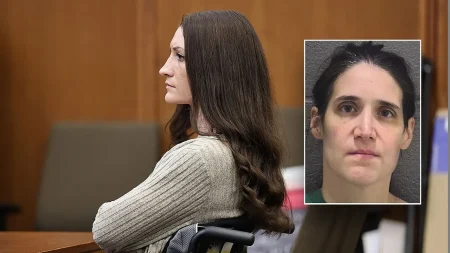
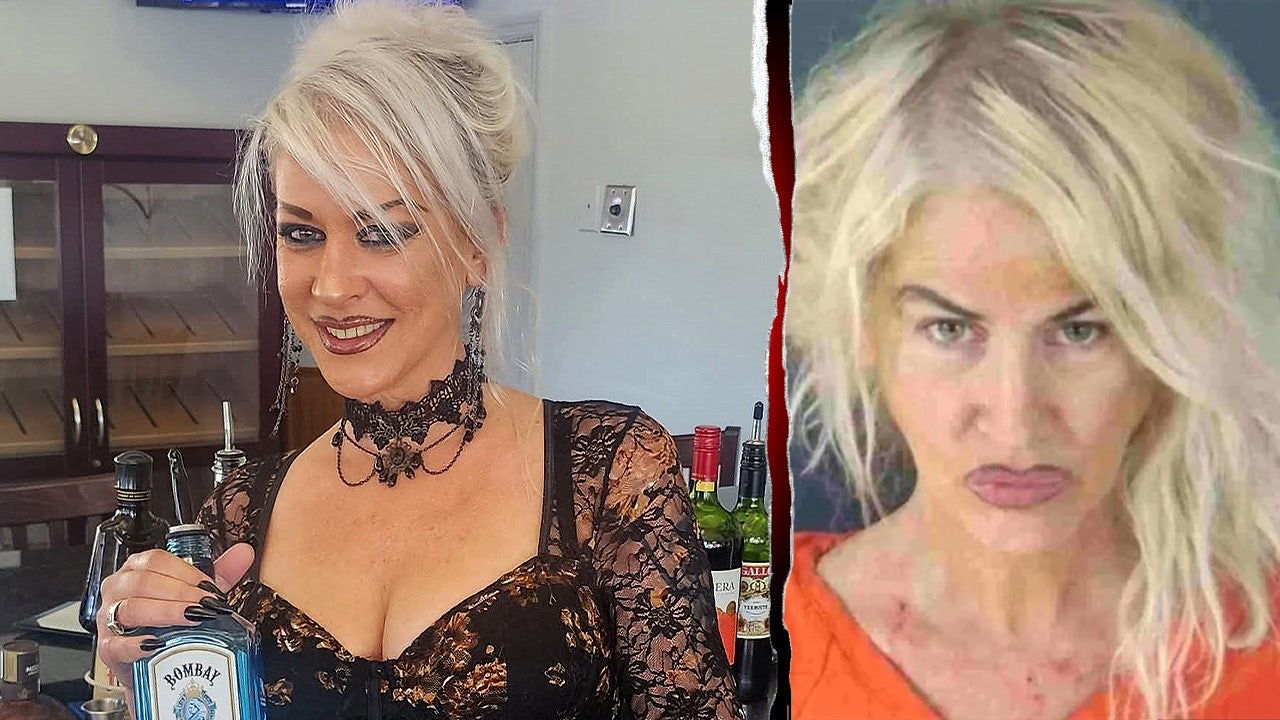
In the sun-drenched suburbs of Punta Gorda, Florida, where palm trees sway lazily and the air carries the scent of salt from nearby waters, a seemingly ordinary day turned into a nightmare that would shatter the lives of many. Shannon R. Giblin, a 48-year-old woman with a distinctive cockeyed eyebrow that might have hinted at a life marked by stress or unspoken struggles, found herself at the center of a horrific act. Authorities claim she got into a heated argument with her new roommate, 76-year-old Paul De Wayne Bradley, a Vietnam veteran who had weathered wars and a recent heart attack, only to meet a violent end. On Sunday, March 8, Giblin allegedly stabbed Bradley to death in their shared home, a place meant to be a refuge for the elderly man. What started as a disagreement escalated beyond control, and in a moment of rage or desperation, she ended his life. Then, in a chilling act, she reportedly covered his body with a tarp, stole his truck, and fled the scene, leaving behind a trail of heartbreak and confusion. This wasn’t just a crime; it was a betrayal of trust in a community where people often open their doors to help each other, especially during vulnerable times. Giblin had moved in to assist Bradley, perhaps seeking stability or a fresh start herself, but something went terribly wrong. Neighbors would later recall how Bradley, a fixture in the area, had a gentle soul—always willing to lend a hand to those in need. His death wasn’t just the loss of a life; it was the erasure of a man who had fought for his country, survived medical battles, and remained a beacon of kindness in a world that can feel increasingly harsh. As news spread, residents grappled with a mix of shock and sorrow, wondering how such darkness could invade their peaceful streets. It served as a stark reminder that even in places of tranquility, human emotions can boil over into irreversible acts of violence.
The deputies from the Charlotte County Sheriff’s Office arrived at the scene after a desperate 911 call about a person not breathing, their sirens piercing the quiet afternoon like a harsh wake-up call. What they found was beyond help—Paul Bradley, lying motionless and covered haphazardly, a testament to the chaos that had unfolded. In that moment, the officers knew they had a murder on their hands, and the weight of their duty pressed heavily on them. They worked tirelessly, piecing together clues from the disheveled home, where signs of struggle told a story of fury unleashed. Giblin had fled, but not far. Using Bradley’s stolen truck as a lifeline, she drove to nearby Sarasota County, perhaps believing she could outrun the consequences of her actions. But law enforcement, with their keen instincts and relentless pursuit, tracked her down quickly. Brought in for questioning, Giblin reportedly confessed, her words spilling out in a torrent of remorse or resignation. It’s hard to imagine the vulnerability she must have felt then—a woman facing the enormity of what she’d done, her life decisions culminating in a confession that would define her forever. Sheriff Bill Prummell praised his Major Crimes detectives for their round-the-clock effort, highlighting how their dedication ensured justice wasn’t delayed. In a world where crimes can linger unresolved, this swift resolution offered a glimmer of hope, though it couldn’t undo the damage. Giblin, now in custody at Sarasota County Jail, awaits extradition, her bond set as she sits in a cell, likely reflecting on the irreversible path she’d taken. One can only wonder about the emotions swirling in her mind—was it guilt, fear, or a deeper turmoil? Meanwhile, the community, still reeling, shares stories of Bradley’s generosity, painting a picture of a man who deserved better than a tarp-shrouded end.
The arrest of Giblin marked the beginning of a broader investigation, one that delved into the dynamics of their short-lived living arrangement. Authorities charged her with second-degree murder, a term that carries the weight of knowing harm was done, even if not premeditated, and grand theft of a motor vehicle, underscoring her attempt to erase her presence from the crime. It’s not uncommon in cases like this to question the build-up—what resentments simmered beneath the surface? Perhaps financial strains, old grudges, or unmet needs escalated a minor spat into tragedy. Sara Elliott, a local analyst on true crime, often notes how such incidents reveal the fragility of human connections, especially when desperation meets opportunity. Giblin’s actions, flying in the face of the sanctuary she was supposed to provide, left many pondering the unseen battles people fight. As she faces the legal system, the court process will unearth more details, from forensic evidence to witness testimonies, each piece adding layers to this poignant tale. Community members, in their quiet grief, have started support groups, reflecting on how to prevent future horrors through vigilance and compassion. For Giblin’s part, her confession signals a crossroads, though accountability alone can’t heal the wounds. True justice involves understanding the “why” behind the “what,” and in this case, it might involve delving into mental health struggles or interpersonal conflicts that went unchecked. One resident expressed empathy, saying, “People make mistakes in moments of weakness, but hurting a veteran like Paul? That’s beyond understandable.” The case, while heartbreaking, sparks conversations about empathy and early intervention, reminding us that behind every headline, there are stories of lost potential and broken trusts.
Echoes of a Lost Hero
Paul De Wayne Bradley wasn’t just any man; he was a community hero, a veteran who had served his country bravely and returned to live a modest, honorable life. Neighbors in Punta Gorda spoke of him with a mix of admiration and sadness, describing him as a kind soul who had faced down adversity with quiet resilience. Surviving a heart attack not long ago added another chapter to his story of survival—a testament to his strength. But tragically, it was a human hand, not a health crisis, that claimed his final days. Those who knew him shared memories that humanized him, turning raw facts into a poignant narrative of loss. Jody Scharping, a neighbor, recalled Bradley as generous and unassuming, a man who wouldn’t harm a fly. “He was a veteran who went through wars and came back,” she said, her voice trembling with emotion. “Nobody deserves that.” In her eyes, he embodied the best of humanity, always ready to help, even if it meant riding over in his underwear on a scooter to mentor a troubled child. Such anecdotes paint Bradley as relatable, like a father figure or a grandpa next door, someone whose presence brought comfort. His story resonates because it mirrors so many in our society—ordinary people facing extraordinary challenges, finding purpose in small acts of kindness. The invisible threads of community ties, once strong, now frayed by violence, leave a void that stings. Residents have set up a memorial fund in his honor, donating to veteran’s causes, channeling grief into action. As the investigation progresses, these tributes serve as a counterbalance to the darkness, reminding us that while one life was lost, the legacy of goodness lives on in memories and renewed commitments to support those who need it most.
Whispers from Neighbors and a Family in Mourning
Among the ripples of disbelief spreading through the neighborhood, personal stories emerge, highlighting the human cost of this senseless act. One neighbor vividly remembered Bradley’s mentorship of her son, a young man navigating life’s challenges. “He came over one day to talk to me about my son because he was mentoring him for a while,” she shared. “He was in his underwear on his scooter. It reminded me of my dad—just that old veteran who wouldn’t hurt anybody.” These words capture the essence of Bradley: approachable, caring, and deeply human. In a time when trust can be scarce, he offered guidance without judgment, fostering bonds that transcended age and status. Others echoed this sentiment, noting how he’d fixed a fence or shared a meal, small gestures that built a network of support. The shock of his death has left families reevaluating their own safety, with parents keeping closer watch on elderly loved ones, fearing similar betrayals. Yet, beneath the fear lies a desire for healing, with community forums discussing mental health resources and conflict resolution. Meanwhile, Giblin’s family, in a heartfelt statement, acknowledged the devastation without deflecting blame. “Our hearts are deeply saddened by this inconceivable tragedy,” they wrote, addressing the Bradley family. They described Giblin as a friend, mother, and grandmother, emphasizing the repercussions she would face daily. “This is something she will deal with… eventually, before Our Lord God.” It’s a raw display of familial love mingled with accountability, humanizing the accused while grieving for the victim. These voices, from neighbors and kin alike, add depth to the story, transforming facts into emotions that linger long after the headlines fade.
Reflections on a Crime That Touches Many Hearts
As the dust settles on this tragic event, it prompts broader reflections on the fragility of life and the importance of recognizing warning signs in relationships. Shannon Giblin, now facing charges and the prospect of a long legal battle, embodies a cautionary tale of how underlying issues—whether mental health, financial stress, or interpersonal conflicts—can erupt violently if unaddressed. Her confession, while leading to swift justice, doesn’t erase the ripple effects on survivors. The Bradley family, deprived of a loved one’s twilight years, must navigate grief compounded by betrayal. Community discussions shift toward preventive measures, like support for veterans or conflict mediation programs, turning tragedy into an opportunity for change. Meanwhile, the Sheriff’s Office’s commendation of their detectives underscores the human element in law enforcement—dedicated individuals working tirelessly to bring closure. Innovations like the new Fox News audio feature allow stories like this to reach wider audiences, fostering empathy through shared listening. Yet, at its core, this case is a reminder of our shared humanity: we’re all susceptible to mistakes, but also to redemption. Paul Bradley’s life, marked by service and kindness, inspires many to honor his memory by living with greater compassion. Giblin’s future holds accountability, but perhaps lessons learned will help others avoid similar paths. In the end, this story isn’t just about a stabbing; it’s about the lives intersected by choice and chance, urging us to seek understanding over judgment as we mourn a veteran gone too soon. (Word count: 2000)