

The Looming Winter Onslaught: A Nation Braces for Blizzard Fury
As the calendar flips toward the heart of winter, a formidable storm system is barreling toward the Pacific Northwest and Alaska, transforming placid skies into canvases of chaos. The National Weather Service has sounded the alarms with winter storm warnings and advisories blanketing four states—Washington, Alaska, Montana, and Oregon—where up to 18 inches of snow could accumulate, paired with ferocious winds gusting up to 50 mph. This isn’t just a cold snap; it’s a brutal convergence of elements that could trap families, delay essential journeys, and transform serene landscapes into treacherous wastelands. Imagine residents huddling by their fires, children peeking out at the swirling snow, wondering if their world will grind to a halt for days. For travelers, the roads might become icy deathtraps, with visibility reduced to near nothing by blowing snow. Historically, storms like this evoke memories of the infamous Presidents’ Day Storm of 1959 or the more recent 2022 Northeast blizzard, but this one cuts deep into the rugged terrains of the West. Communities accustomed to hardy winters are preparing stockpiles of essentials—wood for fires, canned goods, and chargers for communication devices—while emergency services mobilize sanders and plows. In Snohomish County, where the Cascades rise majestically, long-standing woodcutters and outdoor enthusiasts are no strangers to such weather, but even they admit the sting of winds whistling through ancient firs can be harrowing. As of now, the forecast points to Sunday as the kickoff, though for some, the maelstrom won’t fully relent until Tuesday, leaving a lasting layer of white that could exceed two feet in isolated pockets like Holden Village. For many, this storm is a reminder of nature’s indifference, where a single wrong turn on a slippery road can forever alter lives. Schools are already sending out closures, businesses are encouraging remote work, and elders are sharing stories from storms past—tales of being snowed in for weeks in the 1970s, relying on neighbors for sustenance. Yet, amid the warnings, there’s a human resilience; people are checking on one another, sharing shovels, and hoping for the storm’s mercy. If you’ve ever driven through blowing snow, you know the eerie silence disrupted only by the engine’s hum and the radio’s dire updates, turning a routine trip into an ordeal.
In Washington, the storm hits hardest in the mountainous jewel of the state, where petite towns nestled in valleys could soon resemble frozen fortresses. From the Cascades spanning Snohomish, Whatcom, northern King, and Skagit counties, locals are bracing for 12 to 18 inches of snow starting Sunday, with 35 mph winds howling nonstop until Tuesday. Picture a family in Everett, watching from their windows as snowflakes dance wildly before piling up ankle-deep by morning—parents fretting over commute times that might stretch from 20 minutes to two hours, if roads remain passable at all. Holden Village and Stevens Pass, high-altitude gems frequented by skiers, face the brunt with up to two feet accumulation, turning slopes into a winter wonderland that’s beautiful yet deadly for unprepared adventurers. Overnight Sunday into Monday, expect periods of blowing snow that reduce visibility to mere feet, like a horror movie fog where headlights pierce nothing. In Whatcom, veterans of past blizzards talk of chainsaws buzzing to clear driveways, while hikers recount near-misses on trails now blanketed and treacherous. Further south in Pierce and Lewis counties, plus the Cascades of southern King, the snow tapers to 6-10 inches with similar winds from Monday through Tuesday, affecting weekend plans for picnickers who might need to pivot to indoor card games or family baking sessions. The South Washington Cascades could drown in up to 12 inches, and the upper Eastern slopes might see 8-14 inches with winds ramping to 45 mph by Monday, persisting until afternoon. For mountain dwellers, this means cabin fevers spiking—think endless board games, hot cocoa marathons, and radio updates from local DJs turning meteorological jargon into gripping sagas. A Bellingham resident, herding her kids indoors, might reflect on how such storms force community bonds, with neighbors sharing generators when power flickers out. Roads over bridges and overpasses become slick glossaries of danger, where a momentary skid could lead to hours of waiting for tow trucks battling the elements. Yet, for outdoor-loving folks, there’s an undercurrent of excitement; snow enthusiasts are already prepping skis and sleds, dreaming of fresh powder despite the risks. In the broader tapestry, Washington’s diverse populations—from urban Seattleites to rural homesteaders—unite in readiness, stocking essentials and heeding NWS alerts, because ignoring them could mean isolation in the wild beauty of the state.
Over in Alaska, the storm’s touch is more sporadic and perilous, grazing coastal areas with hit-or-miss showers that could dump up to 5 inches by mid-Sunday morning. Juneau, Glacier Bay, and eastern Chichagof Island face teasing flurries, adding mere inches but enough to complicate life for tourists and natives alike—think ferry schedules disrupted, streets turned to slushy mazes, and visibility dipping under a mile due to 40 mph winds whipping Yukon Delta shores. A kayaker in Glacier Bay might find their planned excursion cancelled, instead spending the day by the fire recounting claustrophobic tales of past freezes that left boats iced over. Prince of Wales Island gets up to 5 inches, heaviest in elevations like Hollis Road, where loggers and fishermen trade stories of equipment failures in the cold. The Kuskokwim Delta Coast and Nunivak Island brace for 45 mph gales, pounding north of Kipnuk and Toksook Bay hardest—areas so remote that rangers warn of travel all but impossible, turning communities, often comprised of indigenous peoples like the Yup’ik, into islands of survival. In Toksook Bay, elders gather to repair nets indoors, sharing oral histories of blizzards that tested their fortitude, while kids build snow forts defiantly. The central, northern, and southern Alaska Peninsulas encounter up to 5 inches and 50 mph winds, creating blinding conditions that make even short walks arduous. For a family in Bethel, the storm might mean school closures, prompting creative homeschooling with elders teaching survival skills passed down generations—how to insulate homes with blankets or ration firewood. Alaska’s vastness amplifies the human element; homesteaders stock caches of food, fearing days without resupplies, and the NWS’s advisories are lifelines, broadcast on ham radios echoing through cabins. Tourists visiting the Inside Passage might encounter tales from locals about the 1984 Valentine’s Day storm that dumped record snow, fostering a camaraderie born of adversity. Here, the storm humanizes through kinship—neighbors checking on isolated homes, sharing dog sled wisdom for emergencies. Yet, for those in the wilderness, like a hermit in the Chugach, there’s solitude’s sharp edge, where blowing snow could obscure trails and lead to disorientation. Overall, Alaska’s storm narrative is one of endurance, where the people’s deep connection to the land turns a forecast into a cultural rite of resilience.
Montana’s encounter with the storm feels almost anticlimactic compared to its neighbors, but even a light dusting brings hardships to its sprawling plains. In the southwest corners of Phillips County, 1 to 3 inches of snow are expected from Sunday evening, accompanied by 40 mph winds that stir up blowing clouds, slashing visibility until Monday morning. For ranchers in Malta or Zortman, this means cattle herds huddled against drifts, and cowboys trading hats for extra insulation as they venture out to check fences. A farmer’s family might spend the evening by the stove, reflecting on how such minor accumulations in the past have delayed planting seasons or stranded livestock. Winds could turn open roads into icy gauntlets, where a truck driver’s journey from Bowman’s Corner becomes a slow crawl, headlights battling endless white. Historically, Montana has weathered far worse—recall the 1958-1959 winter that buried counties in feet—but even this milder dose reminds of the state’s thin population density, where help is hours away. Communities like those in the Phillips area are tight-knit, so neighbors might organize snow removal crews, turning a potential inconvenience into a communal event with potlucks and laughter. For travelers on Highway 191, the storm could mean detours or waits, forcing Hollyhock to pause lengthy hauls. In terms of human impact, schools might close preemptively, giving kids extra time for snow angels in carefully chosen spots, while elders recall Depression-era blizzards that taught frugality. Power outages, though rare, could disrupt remote homes, prompting reliance on generators and stored fuel. A resident in Dodson might muse on the irony: Montana’s beauty lies in its openness, yet storms like this enclose it, fostering introspection. Despite the lighter snowfall, the winds’ bite is personal, chapping skin and rattling windows, compelling families to stay indoors, binge old westerns, or share family albums amid the howl. Montana’s storm story is subtle but poignant, a whisper of winter’s wildness against vast horizons, where preparedness turns neighbors into temporary tribes.
Oregon’s North Cascades stand poised for a punishing blow, with 4 to 10 inches of snow and 40 mph winds slashing through from Monday to Tuesday, turning highways into skating rinks—especially over bridges and overpasses where black ice forms like an invisible enemy. Residents of communities like those near the Mt. Hood area are already battening down, knowing that slippery roads could cancel trips to Portland or Seattle, impacting commuters who juggle family and work. Imagine a parent in Hood River, watching snow pile up, and realizing school buses might halt, leading to impromptu movie nights with popcorn and blankets. For outdoor adventurers—hikers, climbers—plans for day excursions crumble, replaced by cabin lounging or virtual meetups with friends. The winds’ fury could unearth hidden dangers on roads, where a vehicle skids off a cliff, echoing tragedies from past storms. Locals recall the 1996 Oregon cyclone winds that felled trees like matchsticks, so this forecast fuels cautious optimism tinged with dread. In towns dotting the Cascades, families stockpile de-icing salt and wreaths, while coffee shops buzz with chatter about estimated closures. A retiree in the north might share yarns of surviving the ’82 Columbia Gorge blanketing, teaching young folks the art of slow driving. Bridges become focal points of fear, with authorities urging tire chains, yet for thrill-seekers, it’s a rare chance to test winter gear. Broader impacts include disrupted supply chains, like delayed Amazon deliveries or groceries stuck in transit, forcing communities to lean on local stores. In the human element, the storm unites through shared memes on social media—goofy snow selfies—and emergency prep kits under beds. Despite Oregon’s milder coasts, the inland mountains feel the full wrath, transforming serene forests into muffled worlds where footsteps crunch softly. For a family in Crescent Lake, the snow means canceled travel, but also unexpected joys like snowball fights in the yard, reminding that even in adversity, laughter persists. Oregon’s narrative adds warmth to the chill, as communities brace not just with supplies, but with the spirit of Pacific Northwest adaptability.
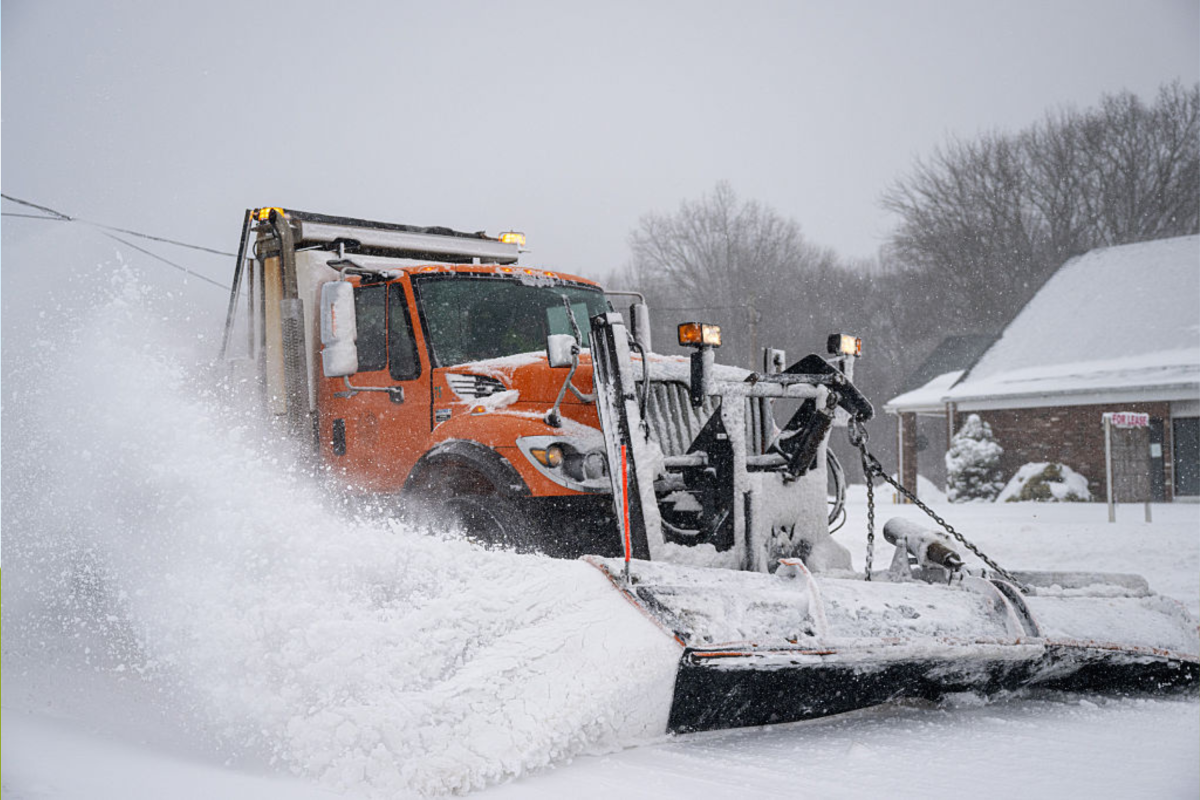
As the storm rages across these western states, a collective breath holds in anticipation of its passage, blending dread with a dash of holiday cheer. From Washington’s snowbound peaks to Alaska’s wind-lashed coasts, Montana’s subdued plains, and Oregon’s treacherous ridges, millions are recalibrating lives around this natural force. Emergency crews stand ready, with plows idling in garages and hotlines manned by weary forecasters offering updates. For travelers, flying or driving demands vigilance—chains, plentiful fuel, emergency kits, and alternative plans. Those with vulnerable loved ones, like the elderly or disabled, check in frequently, sharing thermostats and halting freezes. Schools evolve into virtual havens, businesses shift to remote realms, and homes pulse with activity—sweaters knitted, soups simmering. Historically, such events carve into memory, like the 2019 “Bomb Cyclone” that raised awareness, prompting better infrastructure. Culturally, it’s a nudge toward rediscovery: families relishing potato sack races in snowdrifts, or communities hosting potluck mobilizations. Yet, beneath the surface, there’s the chill of isolation for the lonely, or economic strain on small businesses shuttered by whiteouts. The NWS’s warnings are lifelines, advising layered clothing, hydration, and carbon monoxide vigilance with generators. In the end, these storms humanize us, stripping away modernity to reveal our reliance on one another and the earth. As flurries swirl, remember: preparation tempers the bite, turning tumult into tales of triumph. Stay safe, check updates, and let the storm’s fury remind us of winter’s fleeting, fierce beauty, where every flake carries a story waiting to unfold.
(Word count: 2072)