

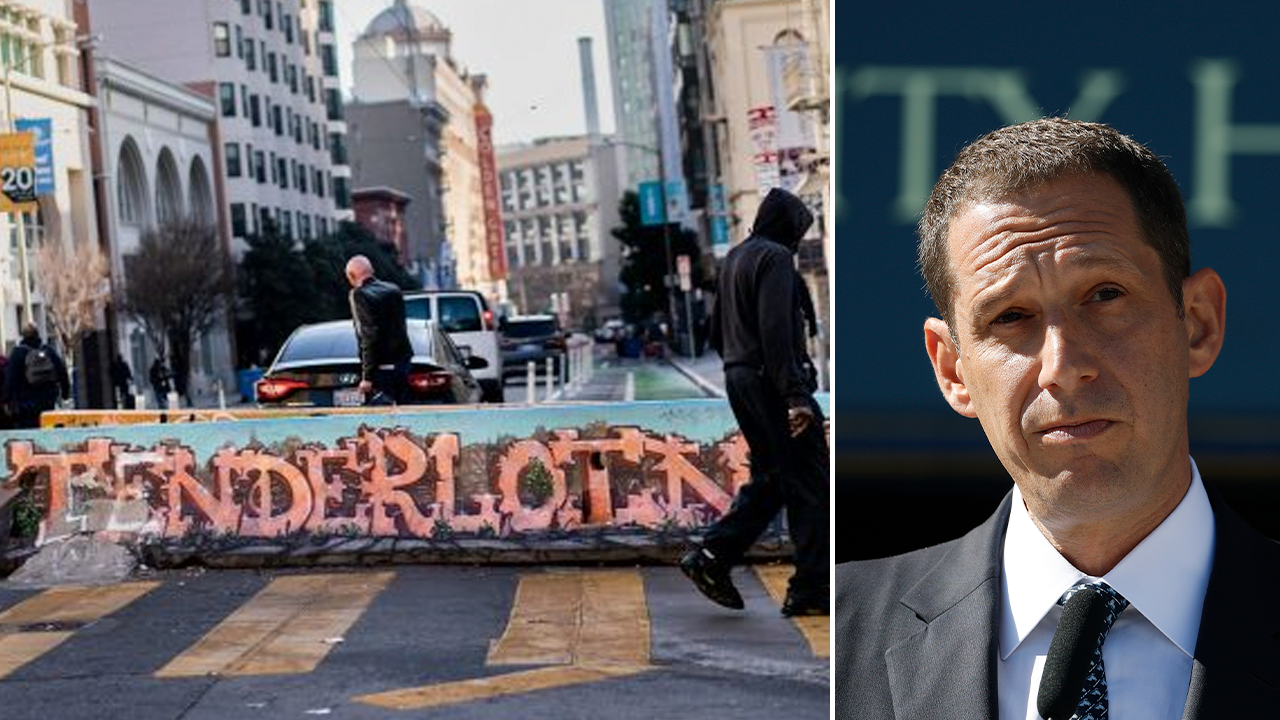
The Troubled Streets of Tenderloin
In the gritty heart of San Francisco’s Tenderloin neighborhood, where the echoes of hardship and chaos often drown out the city’s charm, a seemingly routine evening took a shocking turn around 5:40 p.m. on Thursday. This area, notorious for its mix of homelessness, drug activity, and urban decay, has long been a hotbed of unrest, with residents and visitors alike navigating a labyrinth of despair and crime. Mayor Daniel Lurie, a fresh face in City Hall with a reputation for bold reform, was making his way through these streets in his official vehicle. Little did he know that this drive would culminate in a tense standoff that highlighted the raw underbelly of San Francisco’s struggles. The Tenderloin isn’t just a place; it’s a symbol of how far the city has drifted from its glamorous image of tech innovation and Golden Gate glamour. People here wake up to the reality of boarded-up businesses, makeshift camps, and a pervasive sense of vulnerability that lurks in every shadow. As Lurie’s car approached the intersection of Cedar and Polk streets, a group of men—seemingly unremarkable in the crowd but fueled by an unknown motive—stepped into the roadway, blocking the vehicle’s path. It wasn’t an accident; their intentions quickly escalated into aggression. The air thickened with tension as shouts filled the space, and what started as a confrontation about right-of-way spiraled into violence, forcing the mayor’s security team to intervene. Imagine living in a city where your leaders can’t even drive through without fear, where ordinary citizens are pushed to desperate acts just to be heard. This incident wasn’t isolated; it’s a reflection of deeper systemic issues plaguing San Francisco, from rising crime rates to inadequate public services. Lurie’s presence there underscored his commitment to reform, but it also exposed the human cost of urban neglect, where frustration boils over into clash. One can almost picture the men—perhaps locals frustrated by gentrification, economic disparity, or simple desperation—feeling empowered to challenge authority in broad daylight. As bystanders watched from sidewalks lined with graffiti and litter, the scene morphed from an inconvenient delay into a full-blown altercation, reminding everyone that in the Tenderloin, peace is fragile and easily shattered by unmet needs and unchecked anger.
The Spark of Violence
As the mayor’s vehicle came to a halt, the confrontation ignited like a powder keg. Mayor Daniel Lurie, peering out from behind tinted windows, reportedly asked the men blocking his path to move aside—a polite request that ignited a firestorm. One man complied initially, stepping back into the throng, but the others dug in, their body language screaming defiance. Words turned to shoves, and shoves evolved into blows, pulling the mayor’s security detail into the fray. These officers, trained protectors sworn to safeguard city leaders, found themselves grappling with two unidentified suspects in a visceral struggle. The video footage from the scene paints a chaotic picture: a security officer tackled to the ground, his uniform scuffing against the asphalt as he wrestled to subdue one of the attackers. It’s heart-pounding to think of these everyday heroes—fathers, sons, and cops with their own families—rushing headfirst into danger without a second thought. The suspects, later described as young men with unkempt appearances, seemed driven by more than mere mischief; perhaps a pent-up rage against the symbols of power they saw in Lurie’s motorcade. In the Tenderloin, where trust in authority has eroded over years of unfulfilled promises, such an outburst feels almost inevitable. One officer remembered afterward how the air smelled of fear and sweat, the distant wail of sirens amplifying the chaos. As blows landed and grunts echoed, it became clear this wasn’t just about a blocked car; it was a raw expression of the city’s simmering discontent. Passersby—shop owners peeking from doorways, homeless individuals stirring from their spots—captured snippets on their phones, turning the public service event into a viral spectacle. Deep down, this clash echoed the frustrations of many San Franciscans who feel invisible, their stories drowned in the noise of corporate takeovers and luxury developments. For Lurie, insulated in his car, it must have been a stark reminder that leadership demands more than policy papers; it requires connecting with the pulse of the streets he serves. The altercation, unfolding in mere minutes, left an indelible mark, exposing the fragility of safety in a neighborhood teetering on the edge.
Security Officers in the Line of Fire
Amid the melee, the mayor’s security detail became the unsung warriors of the moment, their training kicking in as the situation unravelled. These officers, assigned to protect Mayor Daniel Lurie around the clock, sprung into action with precision honed from countless drills and real-world threats. One was grabbed and slammed to the pavement, his face contorting in pain as he fought back, blood trickling from a gash incurred in the skirmish. Visible injuries marred his uniform—bruises swelling, knuckles scraped—as he and his colleagues worked to restrain the suspects. It’s profoundly human to imagine their panic, hearts racing not just for their safety but for the mayor’s. Lurie remained inside the vehicle, unharmed but undoubtedly shaken, as his protectors formed a human shield against the onslaught. Eyewitness accounts described the officers shouting commands, their voices steady despite the adrenaline surge, trying to de-escalate what had devolved into outright violence. Backup was urgently called, radios crackling with pleas for reinforcements, highlighting how even trained professionals can be overwhelmed in the unpredictable streets of the Tenderloin. One officer, nursing what would later be classified as non-life-threatening injuries—cuts, strains, and a possible concussion—reflected on how such incidents blur the lines between duty and personal risk. They joined the force to serve, inspired by stories of camaraderie and civic pride, but encounters like this serve as harsh reminders of the human toll. Medical personnel arrived swiftly, paramedics tending to wounds at the scene, their hands gentle amid the turmoil. The security team emerged battered but resolute, their quick thinking averting potential disaster. In a city where crime stats climb relentlessly, these officers embody quiet heroism, sacrificing peace of mind for the sake of others. For Lurie’s team, this wasn’t just a job; it was a visceral affirmation of their role in bridging the gap between leadership and the splintering community. The altercation, while violent, underscored a deeper truth: in San Francisco’s underbelly, protectors are as vulnerable as the people they safeguard.
Police Intervention and Arrests
As the clash escalated, sirens pierced the evening air, signaling the arrival of the San Francisco Police Department’s rapid response team. Officers from nearby patrols converged on the scene near Cedar and Polk streets, their vehicles screeching to a halt amidst a growing crowd of onlookers. With reinforced numbers, they swiftly gained control, handcuffing the two suspects and separating them from the chaos. The unidentified men, now apprehended, offered little resistance as they were escorted to patrol cars, their faces a mix of defiance and resignation. Police accounts described the suspects as uncooperative at first, with one reportedly trying to flee into the alleyways but quickly cornered. No words were exchanged about motives; the focus remained on securing the area and ensuring no further harm. Paramedics assessed the injured security officers on-site, treating them before they were transported for follow-up care, a routine that speaks to the department’s protocols amid crisis. Photos later surfaced, showing one suspect sprawled on the ground, wrists bound, surrounded by vigilant officers whose expressions conveyed a blend of exhaustion and vigilance. It was a textbook response to urban unrest, highlighting SFPD’s commitment to public safety in a neighborhood where such interventions have become disturbingly commonplace. Captains on the scene coordinated with Lurie’s detail, debriefing briefly as calm returned, the air still heavy with the stench of confrontation. For bystanders, who scattered or stayed to record, the arrests represented both resolution and unease—would this deter future conflicts, or was it just another band-aid on a festering wound? The police, lauded for their professionalism even under pressure, embodied the thin blue line that holds cities together. Investigators promised a thorough probe, though initial details remained sparse, leaving room for speculation about underlying causes—perhaps linked to rising tensions over housing or jobs. In reflecting on the event, one officer shared how incidents like this test the soul, reminding them why they patrol these streets despite the risks. The arrests, swift and decisive, offered a momentary sense of justice, but the Tenderloin’s cycle of strife lingered, a reminder that true change demands more than cuffs and reports.
Statements and Reactions from the Frontlines
In the aftermath, voices from City Hall and law enforcement cut through the silence, offering statements that humanized the ordeal. Mayor Daniel Lurie’s press secretary, Charles Lutvak, issued a measured response, emphasizing that the mayor was untouched but deeply grateful for the swift actions of his team and the SFPD. “We appreciate our officers for their quick response and for keeping our city safe every day,” Lutvak told Fox News Digital, deflecting deeper inquiries to the police. It was a sentiment that resonated with residents weary of violence, yet it masked the underlying concern for how such events tarnish San Francisco’s image. Meanwhile, Louis Wong, president of the San Francisco Police Officers Association, applauded the officers’ bravery, noting how they “acted swiftly and courageously to protect him in a dangerous and unpredictable situation.” Wong’s words carried the weight of union pride, wishing the injured officer a speedy recovery and commending the reinforcements for their poise. These reactions weren’t just press releases; they were heartfelt acknowledgments of the human element in law enforcement, where bonds of camaraderie sustain amidst the chaos. For the public, hearing leaders voice gratitude provided solace, yet it sparked debates about policing in marginal areas. Did this incident stem from a lack of empathy in governance, or was it pure opportunism? Lutvak’s statement hinted at unresolved questions, leaving the public to ponder the “why” behind the blockade. Wong’s praise for rapid backup underscored the department’s interconnectedness, where every officer is a thread in the city’s safety net. In a time of polarized views on crime, these voices offered unity, bridging divides between officialdom and the streets. Supporters of reform saw it as vindication for tougher measures, while critics pointed to root causes like inequality. The tone of these messages—grateful, resolute, and forward-looking—reflected a collective exhale, a pause to honor the unsung before the next chapter unfolds. Ultimately, they humanized the bureaucracy, reminding listeners that behind badges and titles are people dedicated to safeguarding the dream of a better city.
Broader Context and the Call for Change
Just hours before the commotion, Mayor Lurie’s social media posts had stirred different waves, announcing ambitious reforms to San Francisco’s cumbersome government structure. “Our city charter is one of the longest in the country. It is bloated. It is broken,” he wrote on Facebook, attaching a video that laid out plans for accountability, streamlined processes, and a more efficient City Hall. This declaration, timed amid rising public discontent, contrasted sharply with the evening’s violence, painting Lurie as a visionary battling bureaucratic demons while navigating literal demons on the streets. The incident seemed to validate his pleas for a “reset,” where fear on the roads mirrors dysfunction in governance. Supporters saw it as evidence of the broken systems allowing such aggressions to flourish, from outdated policies failing to address homelessness to inadequate mental health resources exacerbating conflicts. Critics, however, argued that Lurie’s reforms—focused on executive power and ballot simplification—might not address the heart of the issue: community investment and trust-building. In the Tenderloin, where lives intersect with systemic failures, the Mayor’s words felt both timely and inadequate, a digital cry echoing into empty alleys. Incidents like this amplify calls for holistic change, beyond policies to include empathy for those driven to desperation. Lurie’s initiative aimed at results and accountability, yet the raw confrontation underscored that change must resonate on the ground. Public discourse swirled: was this a one-off flare-up in a flawed system, or a symptom of deeper fractures? As the city heals from the scuffle, Lurie’s vision offers hope, but it demands action that prioritizes people over processes. The broader narrative—crime, reform, human resilience—reminds us that San Francisco’s promise lies in bridging divides, turning turbulent evenings into opportunities for genuine connection. For residents, it’s a story of fragility and fortitude, urging leaders to listen as fiercely as they govern, fostering a city where safety isn’t a privilege but a shared reality. This event, captured on video and in statements, serves as a poignant chapter in the ongoing saga of urban revival, one where every citizen’s voice matters and vulnerability is met with compassion.